

The Agony of the ‘Black Thumb’
Plant trauma is not a clinical diagnosis, but it’s a deeply felt reality for millions of aspiring plant parents. It’s the cycle of hope and despair that begins with a beautiful new monstera from the garden center and ends, weeks later, with a wilted,
yellowing tragedy in a pot. You blame yourself. Was it too much water? Not enough? Is the window facing the wrong direction? The guilt is real, and it’s often enough to make people swear off houseplants for good, convinced they possess a uniquely destructive 'black thumb.' This feeling of failure is rooted in the number one challenge of traditional potted plants: soil. Soil is a mysterious black box. You can’t see what’s happening with the roots, it’s hard to gauge moisture levels accurately, and it can be a breeding ground for pests like fungus gnats. For many, the joy of having greenery is completely overshadowed by the constant, low-grade anxiety of trying to keep it alive in a medium that offers few clear signals.
Enter the Soilless Sanctuary
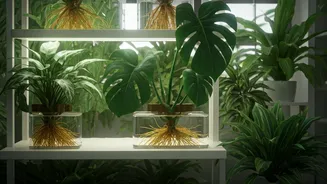
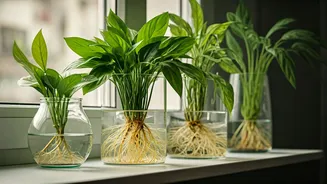
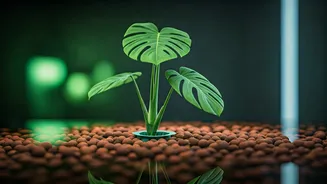
What if you could eliminate the primary source of plant-related stress? That's the promise of soilless growing. It’s a broad category of methods that replace traditional potting mix with alternative substrates, providing plants with water and nutrients directly. The most common approaches for home growers are hydroponics and semi-hydroponics. Full hydroponics involves growing plants directly in a nutrient-rich water solution. More accessible for houseplant hobbyists is semi-hydroponics, which uses an inert growing medium like LECA (Lightweight Expanded Clay Aggregate). These little clay balls don't break down, provide excellent aeration for roots, and wick water up from a reservoir at the bottom of the pot. By removing soil from the equation, you remove the guesswork and create a much more predictable and forgiving environment for your plants—and for you.
An End to Watering Guesswork
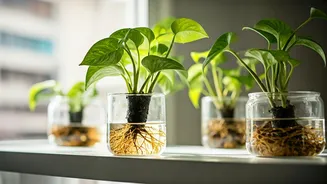
The most common cause of houseplant death is improper watering, specifically overwatering. In soil, excess water suffocates the roots, leading to root rot, a fungal disease that is often a death sentence. With semi-hydroponics, this problem is virtually eliminated. Your plant sits in a pot (often a clear one) with LECA, and that pot sits above a water reservoir. You only need to fill the reservoir when it's empty. The clay balls wick up exactly the amount of moisture the plant needs, no more and no less. There’s no more sticking your finger into the soil and wondering if 'damp' is damp enough. You can literally see when your plant needs a drink. This simple visual cue transforms watering from a source of anxiety into a straightforward, foolproof task.
Freedom From Soil-Borne Pests
If you've ever found yourself swatting away a cloud of tiny black flies hovering around your beloved pothos, you’ve met the fungus gnat. These and other common pests thrive in the damp, organic matter of potting soil. They lay their eggs there, creating an infuriating, persistent infestation. Soilless mediums like LECA are inorganic and sterile. There is nothing for pests to eat and nowhere for them to breed. While you can still get pests on the leaves of your plants (like spider mites), you completely eliminate the most common and annoying culprits that live in the soil. This means no more sticky traps, no more soil treatments, and no more wondering if that new plant you brought home came with unwanted guests.
A Clear View of Plant Health
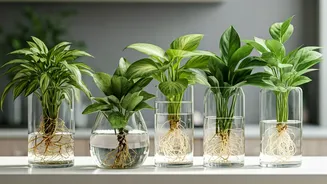
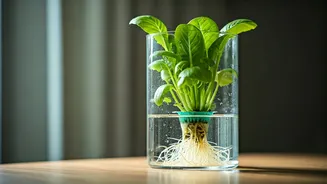
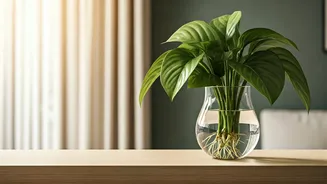
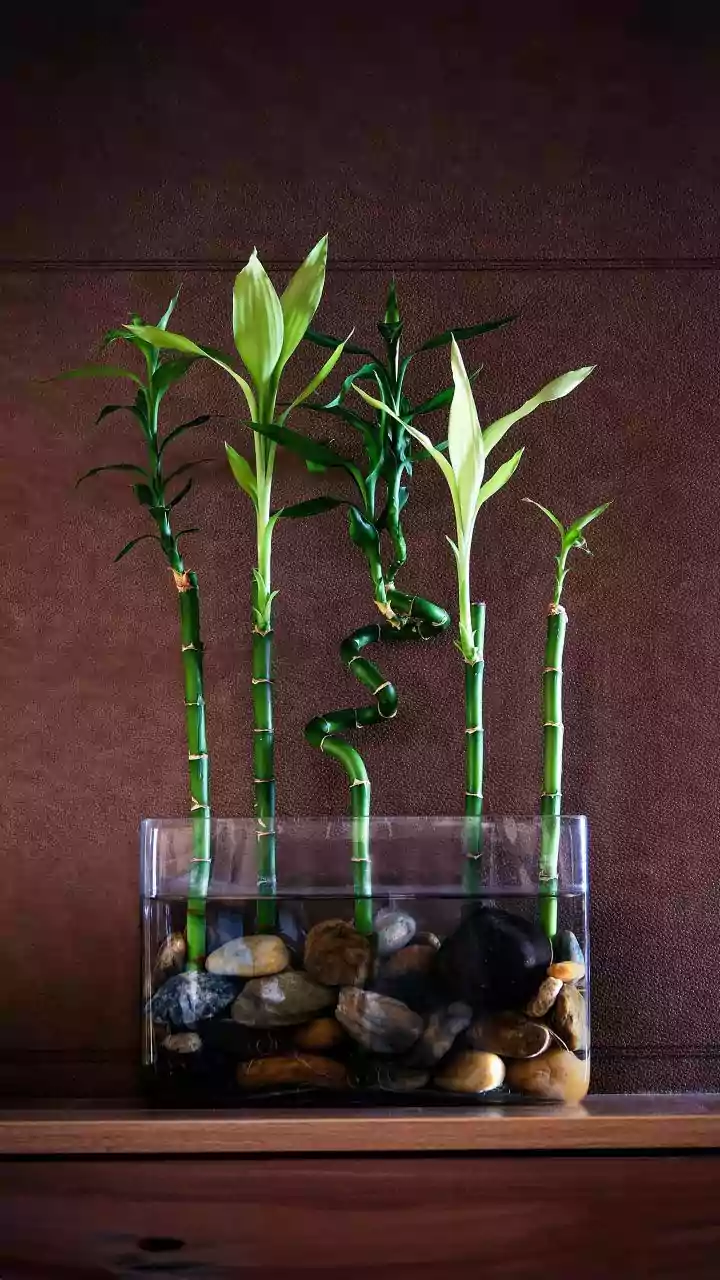
One of the biggest frustrations of traditional potting is the inability to see what's happening below the surface. A plant can be suffering from catastrophic root rot for weeks before the leaves finally start to show distress, by which point it's often too late. Many soilless growers use clear glass vases or plastic pots specifically for this reason. You can monitor root growth and health in real time. Are the roots white and fuzzy? That’s a sign of a happy, healthy plant. Are they turning brown and mushy? You can spot trouble immediately and intervene. This transparency provides an incredible learning opportunity, helping you understand how your plants work and what they need to thrive. It demystifies the entire process, empowering you to become a more confident and successful plant parent.