





The Desert State’s Green Anomaly
Perched in the Aravalli Range, Mount Abu has always been an outlier. It’s the state's summer capital, a cool refuge from the blistering heat that defines much of Rajasthan. But its true magic isn’t just about escaping the temperature; it’s about witnessing
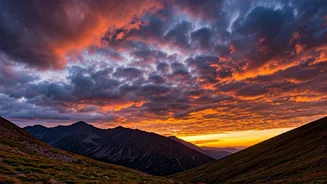
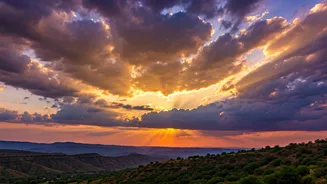
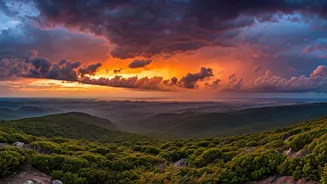
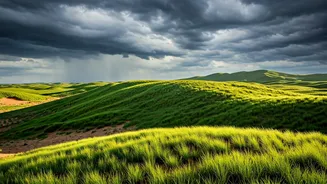
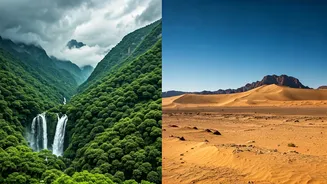
a complete change in personality. For most of the year, the surrounding hills wear a cloak of dusty brown and hardy scrub. It’s beautiful in a rugged, stoic way. Then, the monsoon clouds roll in. The first rains don’t just cool the air; they awaken the earth. Within weeks, what was parched becomes a rolling carpet of emerald and jade. The air, once thick with dust, becomes heavy with the scent of petrichor—the intoxicating smell of rain hitting dry soil. For an American traveler accustomed to associating India's famous “Golden Triangle” with arid landscapes, seeing this side of Rajasthan feels like stumbling upon a beautiful secret.
A Lake Reborn in the Mist
At the heart of this transformation is Nakki Lake. According to legend, this serene body of water was clawed out by the gods. During the monsoon, it feels like it’s being remade by them, too. The water level rises, lapping at the edges of the promenade with renewed energy. The iconic swan-shaped pedal boats, which can seem a bit kitschy under the harsh sun, take on a romantic, almost ethereal quality as they glide through low-hanging mist. The lake becomes a canvas for the sky, reflecting the dramatic dance of gray clouds. Mornings here are not about bright sunrises but about watching the fog slowly lift, revealing the silhouette of Toad Rock and the lush hills that cradle the town. It’s a quiet, contemplative beauty, a stark contrast to the boisterous energy of peak tourist season.
Chasing Ephemeral Waterfalls
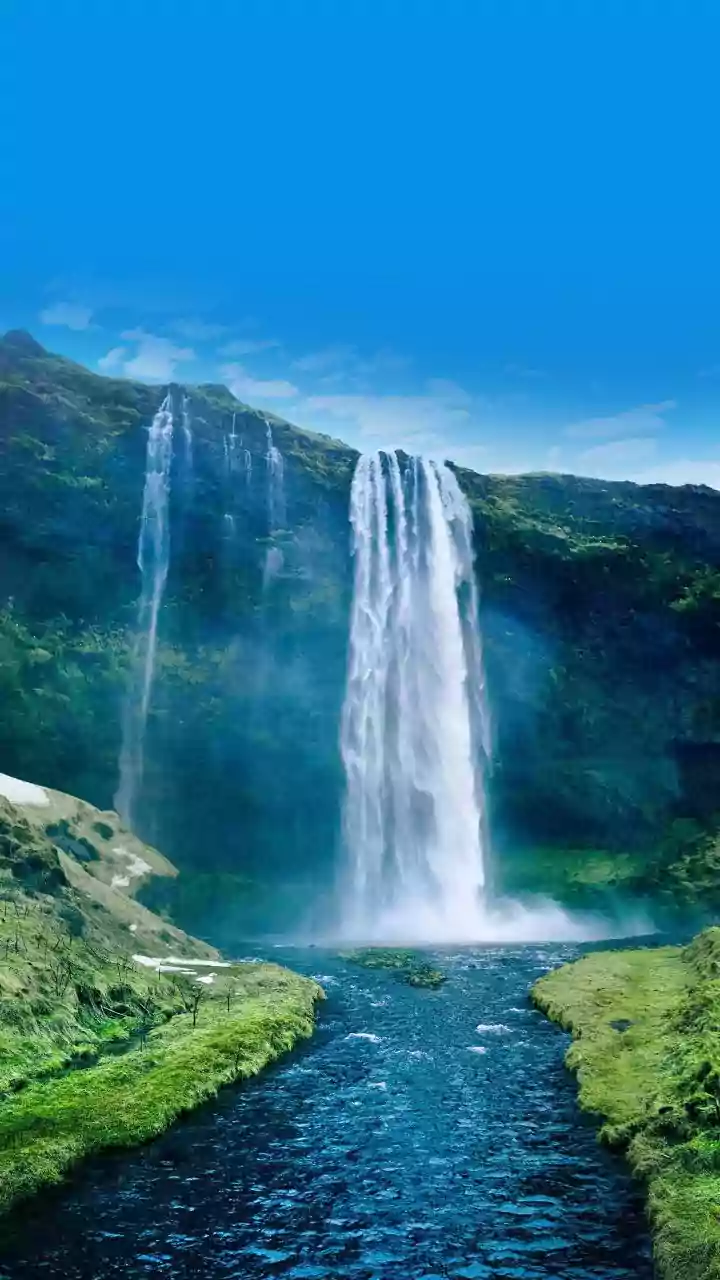
One of the monsoon’s most delightful gifts to Mount Abu is the appearance of temporary waterfalls. These aren't thundering, year-round cascades, but fleeting streams that burst to life, tumbling down rocky cliffs that were bone-dry just days before. Local guides and adventurous visitors make a sport of “chasing” them, following the sound of rushing water to discover new rivulets carving paths through the green hillsides. Places like the Doodh Baori (Milk Well) become even more significant, their sacred waters replenished by the season. This ephemeral nature is part of the charm. You’re not just seeing a landmark; you’re witnessing a moment in time, a spectacle that exists only during this brief, generous season.
The Cozy Comfort of a Rainy Day
Beyond the landscapes, the entire vibe of the town shifts. The monsoon in Mount Abu is less about ticking off a checklist of sights and more about embracing a slower pace. The rhythm of the day is dictated by the rain. A sudden downpour is the perfect excuse to duck into a tiny café for a cup of hot, spiced chai and a plate of crispy pakoras (fried vegetable fritters). The crowds thin out, replaced by travelers who are here specifically for this moody atmosphere. Walking through the town's main market, the air is filled with the sizzle of street food and the chatter of people huddled under awnings, waiting for a shower to pass. It’s a cozy, communal feeling—a shared appreciation for the drama and relief the monsoon brings.