



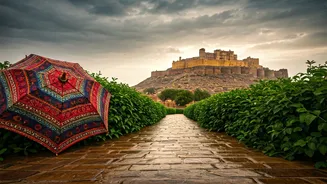


The Classic Monsoon Dilemma
For many American travelers, planning a trip to India comes with a significant scheduling challenge: the monsoon. From roughly June through September, vast swaths of the country experience torrential downpours. While the rain transforms the landscape
into a lush, vibrant green, it can also mean washed-out roads, canceled tours, and days spent indoors. Popular circuits like the Golden Triangle (Delhi-Agra-Jaipur) become humid and slick, and coastal destinations like Goa or Kerala enter their official off-season, with many businesses shuttered. It often feels like you have to choose between the pleasant weather of the peak winter season and the overwhelming crowds and high prices that come with it. But what if there was a way to visit during the summer low season without the constant rain?
Your New Favorite Term: 'Rain Shadow'
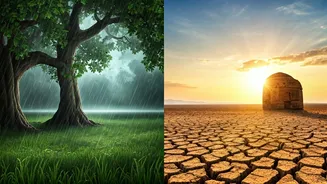
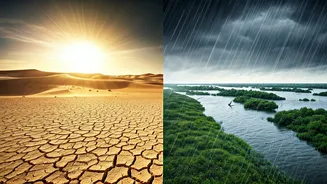
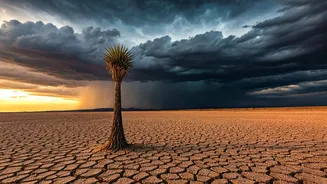
The secret lies in a simple geographic phenomenon: the rain shadow. Think of it like this: when moisture-heavy clouds, like those of the Indian monsoon, travel from the sea, they eventually hit a mountain range. To get over the mountains, the clouds are forced to rise, cool down, and dump most of their rain on the windward side. By the time they get to the other side—the 'leeward' side—they are significantly drier. That protected, arid region is a rain shadow. It’s the same reason Eastern Washington is far drier than Seattle (thanks to the Cascade Mountains) and Nevada’s deserts exist in the shadow of California's Sierra Nevada. In India, the Aravalli Range runs southwest to northeast, creating a perfect barrier against the Arabian Sea branch of the monsoon.
Jaisalmer: The Golden Exception
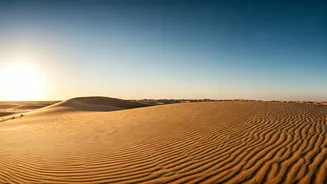
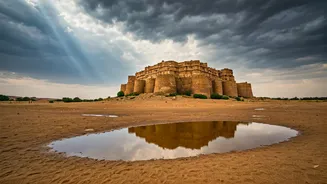
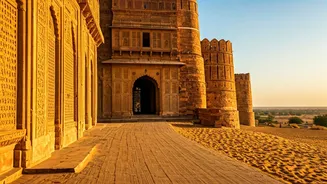
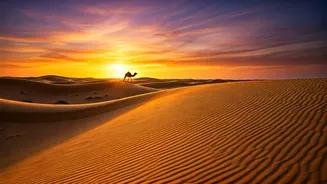
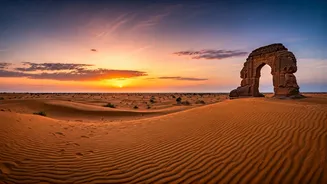
Nestled deep in the Thar Desert of Rajasthan, Jaisalmer sits squarely in this rain shadow. While cities like Udaipur and Jaipur get significant rainfall, Jaisalmer gets next to nothing. The monsoon clouds exhaust their moisture over the Aravalli hills long before reaching this remote desert outpost. The result is a travel paradox: during the wettest time of year for most of India, Jaisalmer remains a sun-baked 'Golden City,' so named for the yellow sandstone used in its architecture that glows at sunset. The massive Jaisalmer Fort, a living citadel with shops, hotels, and homes, continues to dominate the skyline under mostly clear skies. You can explore its winding alleys, visit ornate havelis (traditional mansions), and experience desert life without needing an umbrella.
The Perks of a Monsoon-Season Visit
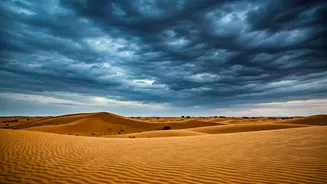
Visiting Jaisalmer between July and September is the ultimate travel hack. This period is considered the shoulder-to-low season, which means you’ll encounter a fraction of the tourists that descend upon the city from October to March. Fewer crowds mean a more intimate experience exploring the fort and a better chance at that perfect, person-free photograph. It also translates to significant savings. Hotels and tour operators often offer lower rates, giving you more bang for your buck. The sky, occasionally decorated with dramatic, non-threatening clouds, offers a stunning backdrop for the golden architecture, and the intense summer heat begins to subside slightly compared to the peak temperatures of May and June, making afternoons more manageable.
A Few Things to Keep in Mind
While it's a brilliant hack, it's not a flawless paradise. 'Dry' is a relative term; the humidity can still be noticeable, and while it's not the scorching peak of summer, daytime temperatures are still hot. Plan your sightseeing for the early morning and late afternoon, and use the middle of the day to relax. While Jaisalmer itself is dry, getting there might involve traveling through rain-affected areas, so check your train or flight status. Not all desert activities, like overnight camel safaris, may be operating at full capacity, so it's wise to book in advance and confirm availability. But for the savvy traveler looking to sidestep the crowds and experience one of India's most spectacular cities, a little geographic knowledge goes a long way.