
The Burnout from Performative Cooking
Remember the era of the foodie, when home cooks were expected to have a pantry stocked with gochujang, a perfectly seasoned cast-iron skillet, and the patience to braise something for six hours? That pressure, largely fueled by glossy food magazines and early
food blogging, created a culture of performative domesticity. The goal wasn't just to eat, but to create a meal worthy of a photo shoot. But for many, the curtain has fallen on that stage. The relentless pace of modern life, coupled with economic pressures and post-pandemic exhaustion, has made that level of culinary effort feel less like a hobby and more like another job. The rejection of elaborate meals isn't a rejection of good food; it's a rejection of the idea that a meal's worth is measured by its complexity.
Time Is the New Luxury Ingredient
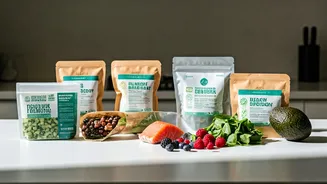
In today's economy of attention, time is the most valuable commodity. For a generation juggling side hustles, demanding careers, and the mental load of managing a household, an hour spent chopping vegetables for a complex mirepoix is an hour not spent decompressing, connecting with family, or simply resting. Quick recipes—those promising a delicious result in 30 minutes or less—are not just a convenience; they are a strategic life choice. They represent a trade: a little less culinary intricacy for a lot more personal time. Meal kit delivery services and grocery apps have boomed by selling this exact premise: we handle the boring parts so you can reclaim your evening. The ultimate luxury isn't a rare truffle; it's getting a healthy, satisfying dinner on the table before 8 p.m. without breaking a sweat.
The TikTok-ification of Dinner
Social media has completely rewired our relationship with recipes. Where Pinterest once showcased picture-perfect, multi-step creations, platforms like TikTok and Instagram Reels reward speed, simplicity, and visual punch in under 60 seconds. Think of the viral feta pasta, the endless variations of one-pan chicken, or the concept of "girl dinner"—a plate of snacks presented as a legitimate meal. These trends celebrate low-effort, high-reward cooking. They’re accessible, require minimal equipment, and often rely on clever shortcuts. This content democratizes cooking, making it feel less intimidating and more achievable for people who didn't grow up with Julia Child. The new food influencers aren't just chefs; they're busy people who have figured out a hack, and they're eager to share it.
Wellness Over 'Wow Factor'
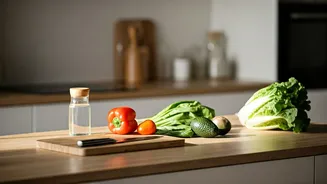
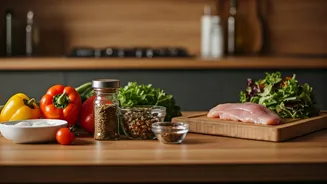
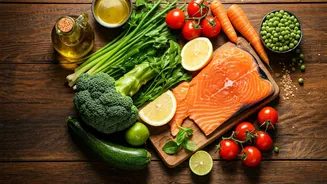
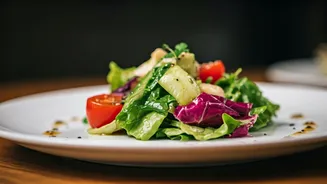
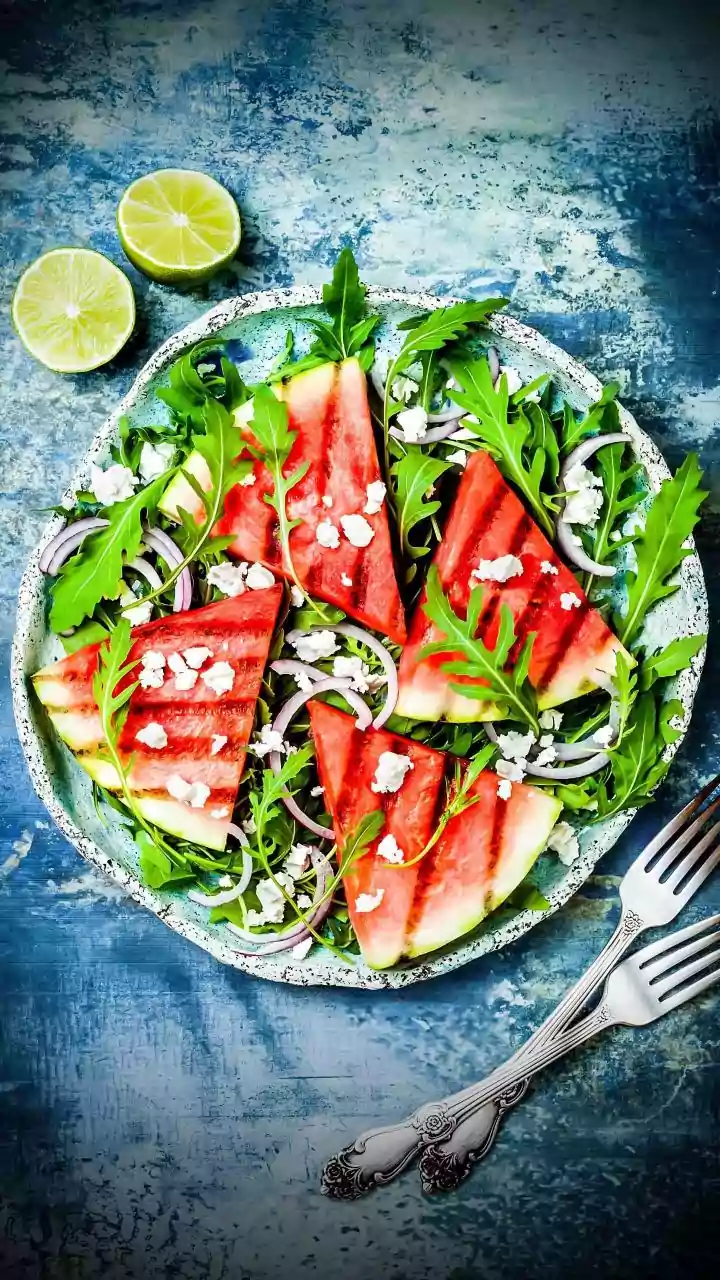
The definition of a “good” meal has also shifted from indulgent to nourishing. The modern wellness movement prioritizes food that makes you feel good—not just in the moment, but long after you’ve cleared the table. Heavy sauces, rich creams, and complex carbohydrates are often swapped for fresh vegetables, lean proteins, and whole grains. This isn't about dieting in the traditional sense of restriction, but about fueling the body and mind. A light, simple meal of baked salmon with roasted asparagus and lemon aligns perfectly with this ethos. It’s quick to prepare, easy to digest, and supports a feeling of vitality. In this framework, the “wow factor” comes not from a dramatic presentation, but from the quiet satisfaction of self-care.