



The Pre-Monsoon Sweet Spot
For tiger sightings, not all seasons are created equal. While India is beautiful year-round, the scorching, dry months of April, May, and early June are, paradoxically, the absolute best time to see the subcontinent’s most iconic predator. The logic is simple
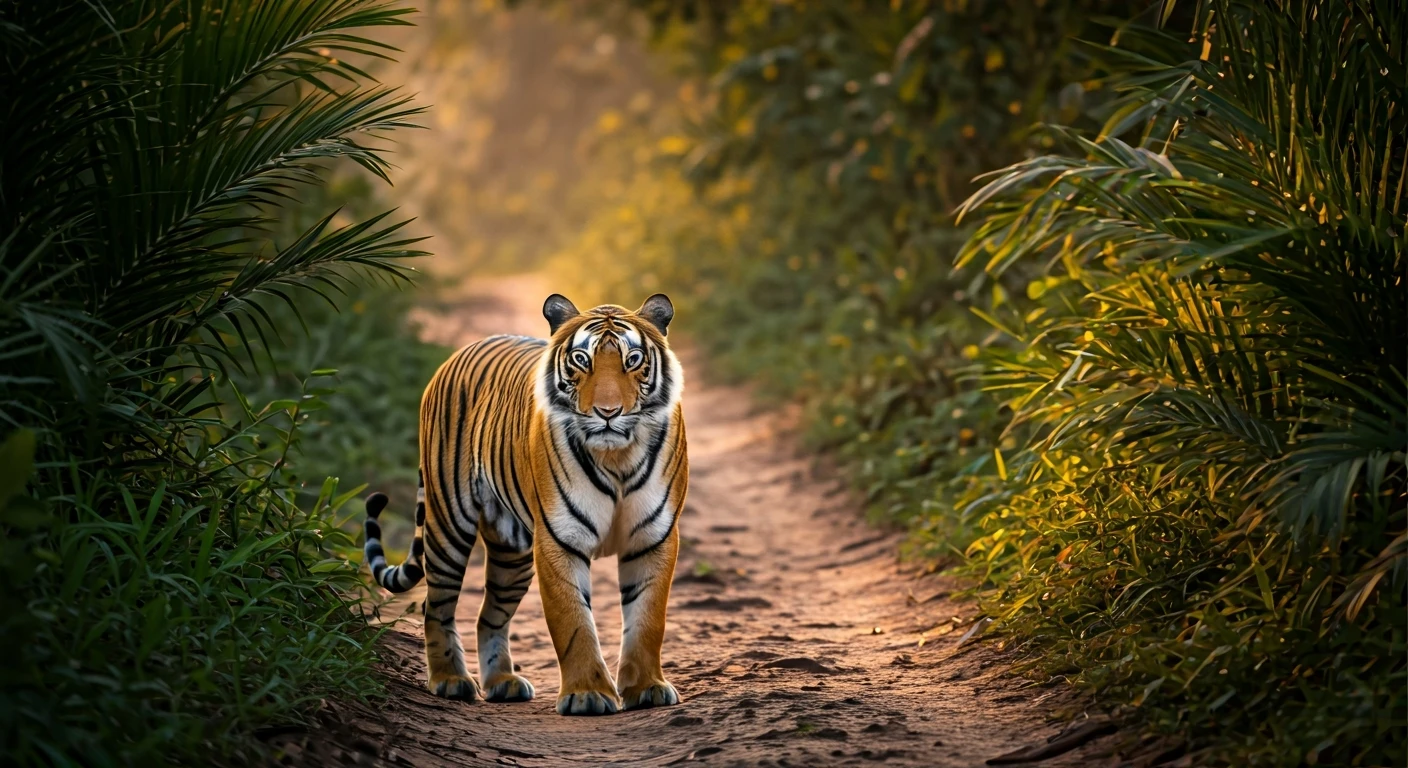
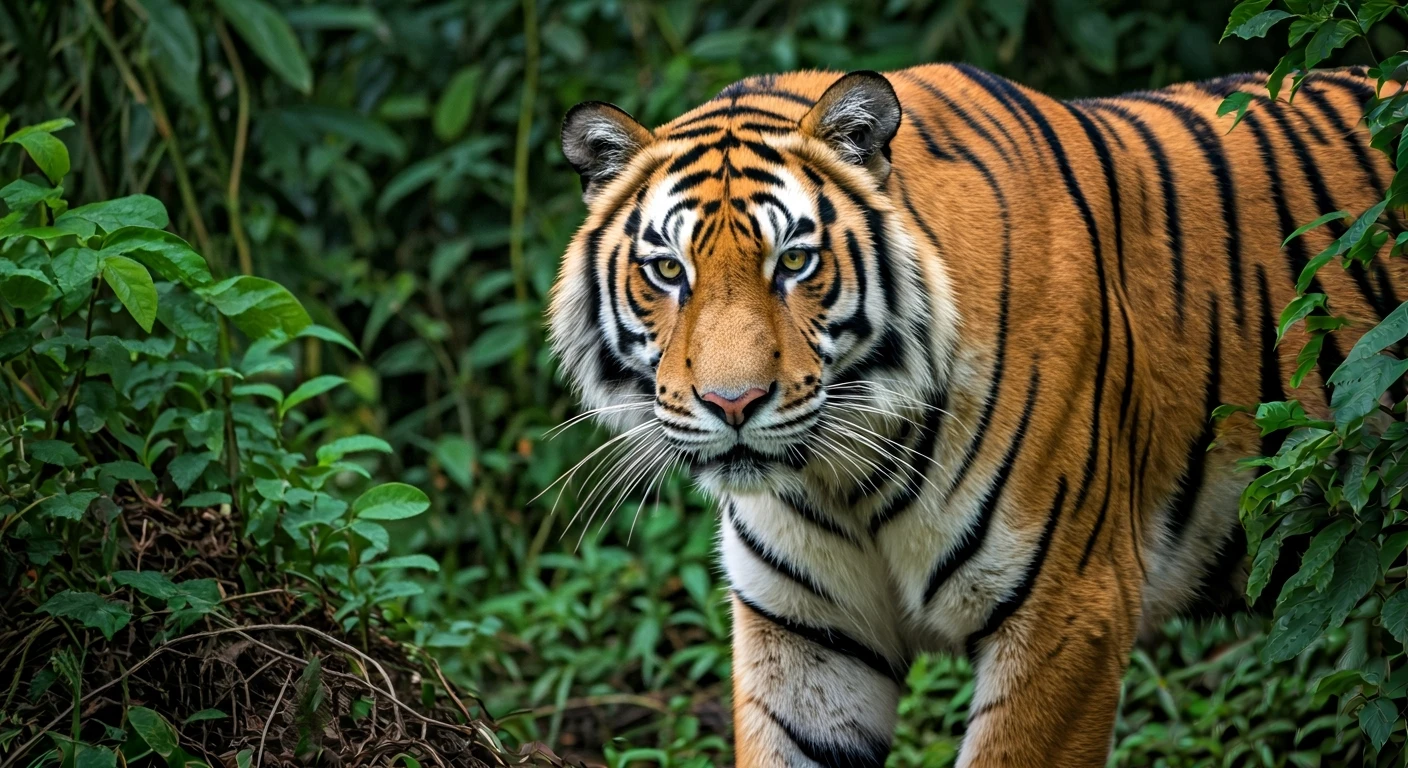
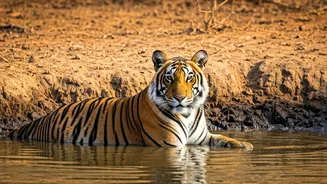
and brutal: as the landscape bakes under the sun, seasonal streams and small waterholes evaporate. This forces all wildlife, including tigers, to congregate at the few remaining permanent water sources. With thinning foliage and predictable animal behavior, your chances of a memorable encounter skyrocket. Guides know exactly where to wait, and the sparser vegetation means clearer, more dramatic views when a tiger finally emerges from the bamboo thickets. It’s hot, yes, but the payoff for enduring the heat can be the sighting of a lifetime.
Understanding the Monsoon Clock
The Indian monsoon isn’t just a few afternoon showers; it’s a powerful, landscape-altering weather system that brings life-giving—and travel-disrupting—rain. It typically makes landfall in the southern state of Kerala in early June and sweeps northward across the country over the following weeks. For the premier tiger habitats in Central and Northern India, such as the national parks of Rajasthan and Madhya Pradesh, the deluge usually arrives by late June or early July. This isn't a gradual shift. The rains can be intense and relentless, turning dusty tracks into impassable rivers of mud and rejuvenating the forest with an explosion of green. It’s a spectacular natural event, but one that effectively brings the traditional safari season to a close.
The National Park Shutdown
In response to the rains, and to give the forest ecosystem a much-needed respite from human activity, Indian authorities close the core zones of most major national parks. This is not a soft closing or a partial reduction in services; it’s a hard stop. Parks like Ranthambore, Bandhavgarh, Kanha, and Pench typically shut down their main safari gates around June 30th and do not reopen them until October 1st. Some parks may keep small, peripheral buffer zones open, but the prime tiger territory becomes off-limits. This makes the late-June deadline non-negotiable for anyone hoping to experience a classic safari. If your trip is scheduled for July, August, or September, you will likely find the park gates locked.
What Happens If You Wait?
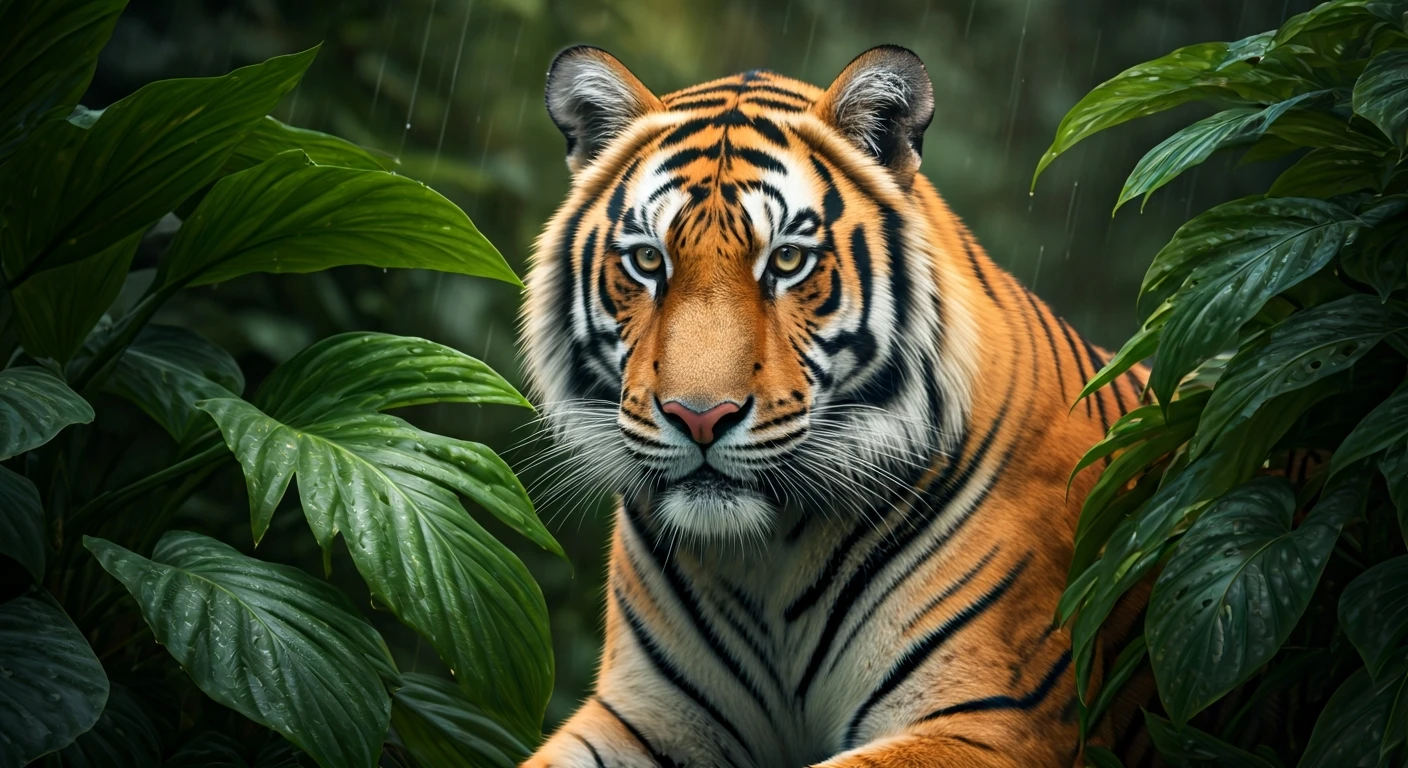
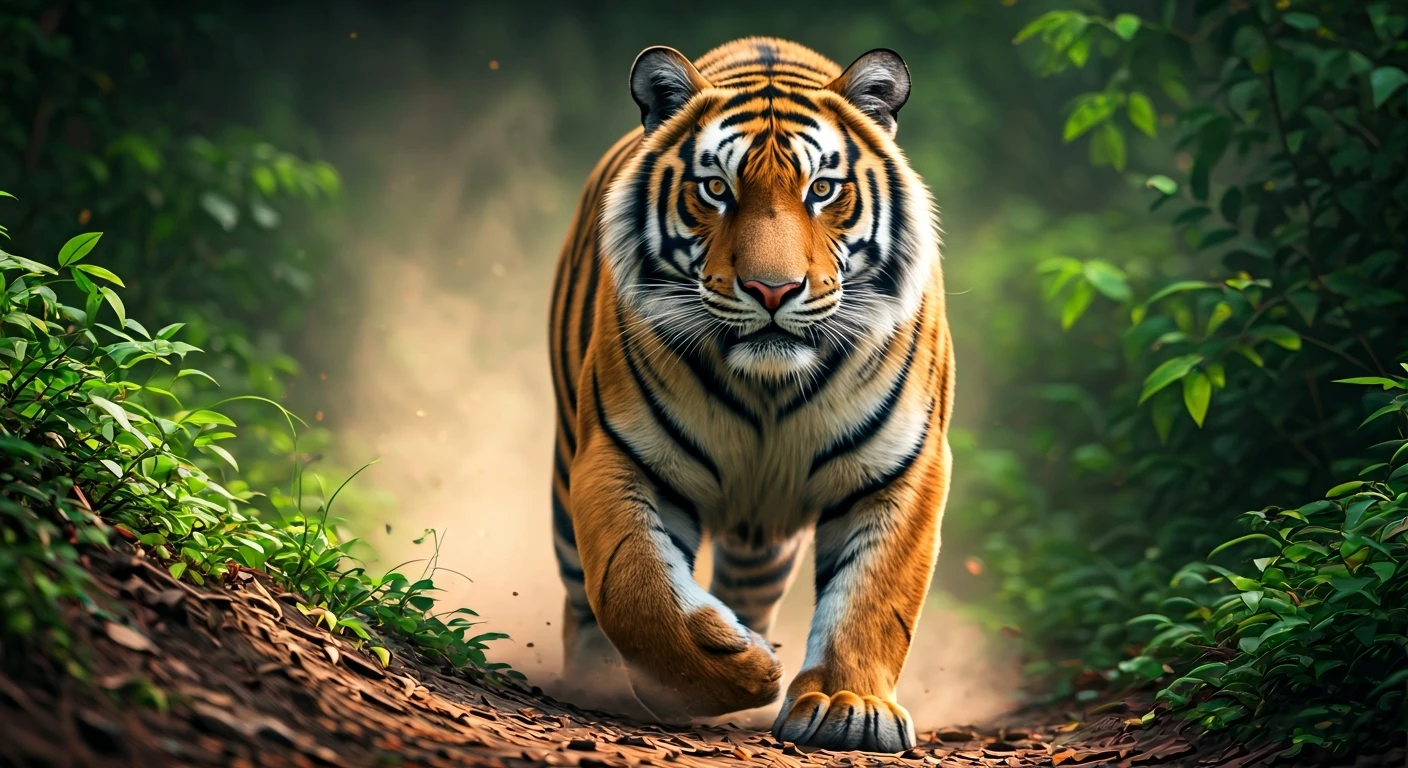
If you miss the pre-monsoon window, your next opportunity comes in the autumn. When the parks reopen in October, you’ll be greeted by a transformed landscape. The forest is breathtakingly lush, green, and vibrant. The air is clean, and the temperatures are much more pleasant. However, this beauty comes with a trade-off for tiger sightings. Water is now abundant everywhere, so tigers are dispersed and no longer need to visit specific waterholes. The thick, verdant undergrowth that makes the jungle so beautiful also makes spotting a well-camouflaged, 500-pound cat significantly more challenging. While sightings are still very possible and the post-monsoon season is an excellent time to travel for overall comfort, the odds are simply not as stacked in your favor as they are in the searing heat of May.