



The Unmatched Allure of Autumn
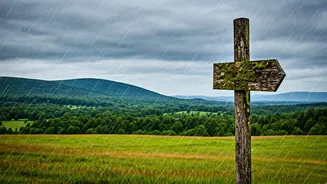
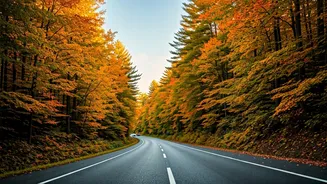
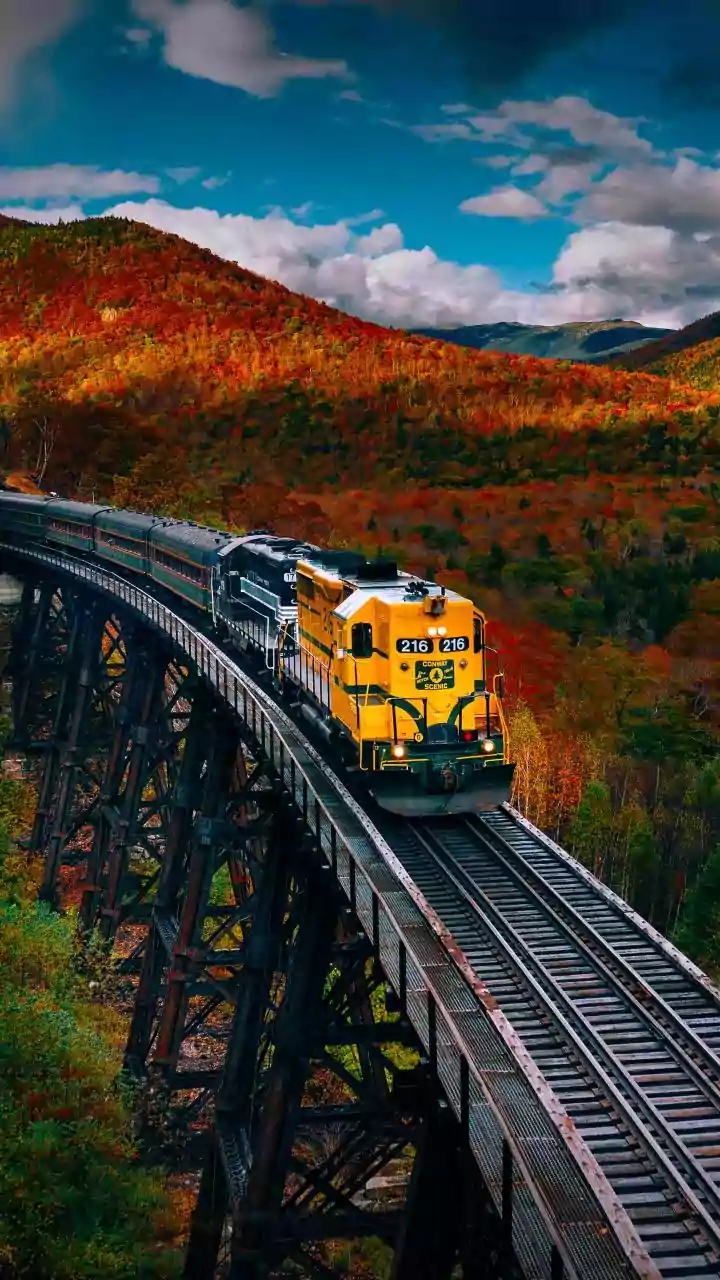
Let’s be clear about the 'beauty' part of the equation: it’s not overrated. There’s a reason millions of people clog the highways of Vermont, New Hampshire, Maine, and Massachusetts every autumn. When the conditions are right, the landscape transforms
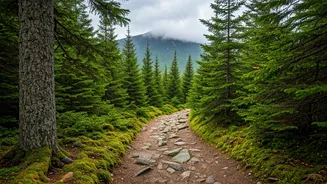
into a living impressionist painting. A drive along a country road can feel like a journey through a real-life work of art, with a palette of fiery reds, electric oranges, and brilliant yellows set against deep green pines and crisp blue skies. This spectacle is a deeply ingrained part of American culture, romanticized in literature and film for generations. From the quiet country lanes of the Berkshires to the dramatic mountain passes of the White Mountains, the region offers a sensory overload in the best possible way. The appeal goes beyond the visuals; it’s the smell of woodsmoke, the taste of a freshly picked Macintosh apple, and the cozy feeling of ducking into a small-town cafe. This is the magnetic force pulling you—and everyone else—north.
Where Beauty Meets Bottleneck
Now for the 'delays.' The same routes that offer the most breathtaking views are also the most infamous for gridlock, especially on weekends between late September and mid-October. The Kancamagus Highway in New Hampshire, a 34.5-mile scenic byway, can turn into a miles-long parking lot. Similarly, Vermont’s Route 100, which winds through charming towns like Stowe and Waterbury, sees traffic slow to a crawl as 'leaf peepers' stop for photos, create left-turn backups into pumpkin patches, and fill every available parking spot. It’s a simple matter of supply and demand. The supply of two-lane roads is fixed, but the demand from cars, tour buses, and RVs skyrockets during this six-week window. Don’t just expect traffic on the scenic routes; anticipate it on the major interstates leading to them (I-93 in New Hampshire, I-89 in Vermont). Add in the fact that many of these quaint towns were not designed for modern tourism traffic, and you have a perfect recipe for slow-going.
How to Outsmart the Crowds
You can’t eliminate the delays, but you can manage them with smart planning. First, if you can travel mid-week, do it. A Tuesday on the Kancamagus is a world away from a Saturday. Second, strategy is everything. Start your day early—be on the road by 7 a.m. to get ahead of the late risers—and plan to be settled in your evening spot before the 4 p.m. rush. Third, book everything far in advance. That means lodging, rental cars (which can be scarce and expensive), and even dinner reservations in popular towns like Woodstock, VT, or North Conway, NH. Underestimate the planning of your fellow travelers at your own peril. Finally, go where the crowds aren't. For every packed scenic highway, there are dozens of less-traveled back roads that offer just as much beauty. Use a paper map (cell service can be spotty) and explore the blue highways. The foliage is just as golden on a county road as it is on a famous byway.
Embrace the Slowdown
Here’s the most important piece of advice: change your mindset. If you view the trip as a race from Point A to Point B, the delays will drive you crazy. Instead, reframe the journey itself as the destination. The traffic isn't a roadblock; it's a mandatory pause. Build extra time into your schedule—not just a little, but a lot. Pack a thermos of coffee, a good playlist, and snacks. When you hit a standstill, get out at a safe pull-off and actually look at the leaves you came to see. A traffic jam in the White Mountains is still a traffic jam, but the view is considerably better than the one on your daily commute. Treat the delays as an opportunity for spontaneity. That long line of cars turning into a farm stand? Maybe you should join them. The town you’re stuck in for an hour? Park the car and explore its main street on foot. The most memorable moments of a trip are often the unplanned ones, and Northeast traffic guarantees plenty of opportunities for plans to go awry.