




The Urban Compact, Broken?
For generations, the deal was simple: you tolerated the noise, the cost, and the crowds of city life in exchange for opportunity, culture, and connection. But for a growing segment of the population, that bargain has soured. The COVID-19 pandemic acted
as an accelerant, proving that for many knowledge workers, 'opportunity' was no longer tied to a specific zip code. As remote and hybrid work became normalized, the primary reason for being tethered to an expensive, cramped apartment vanished. Simultaneously, the downsides of urban living became more pronounced. Housing costs have spiraled into a full-blown affordability crisis in nearly every major U.S. city. The daily grind—the traffic-choked commutes, the relentless stimuli, the feeling of being a small cog in a massive machine—began to feel less like a necessary sacrifice and more like a raw deal. The 'breathing room' wasn't just a luxury; its absence became a significant drain on mental and financial well-being.
The Pull of the Peaks
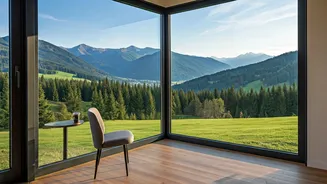
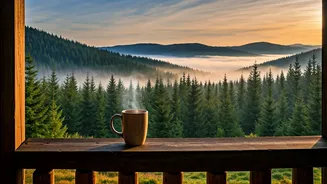
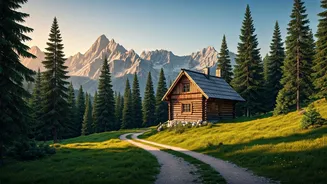
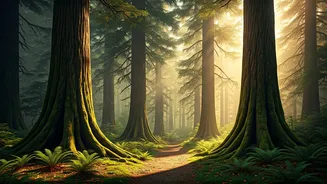
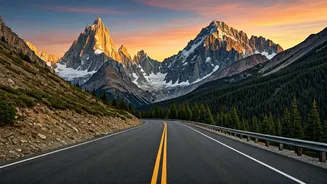
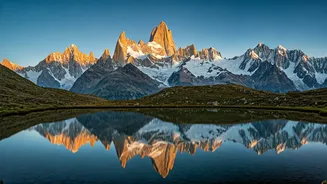
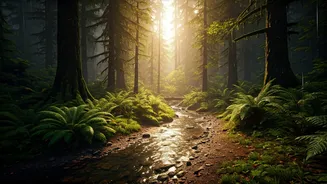
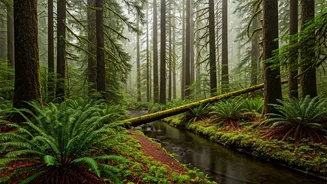
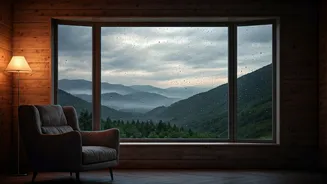
The mountains, in contrast, offer an elemental solution. The appeal is about more than just picturesque views; it’s a physiological and psychological reset. Scientists have a term for this: biophilia, our innate tendency to seek connections with nature. Studies have consistently shown that time spent in natural environments can lower cortisol levels (the stress hormone), reduce blood pressure, and improve focus and mood. This is the 'breathing room' in its most literal sense. It’s the clean air, the quiet that’s filled with the sound of wind in the pines instead of sirens, and the physical space to roam. But it’s also metaphorical. The sheer scale of a mountain range can put personal anxieties into perspective. The slower, season-driven pace of life in a mountain town offers a powerful antidote to the frantic, 24/7 cycle of the city. It’s a chance to trade screen time for ridgeline hikes and career ladder anxiety for the simple satisfaction of a sunset.
The Rise of the 'Zoom Town'
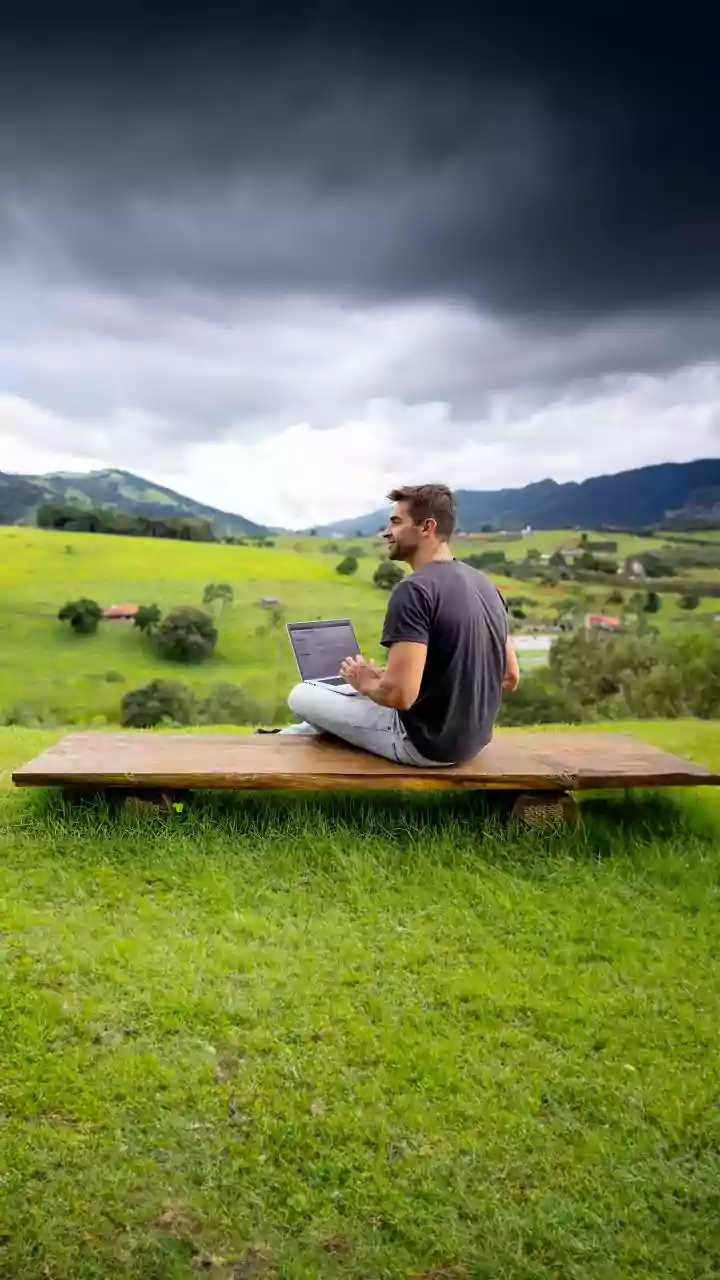
This isn't just a feeling; it’s a demographic shift. Small mountain towns across the West and Appalachia have seen an unprecedented influx of new residents. Places like Bozeman, Montana; Boise, Idaho; and Asheville, North Carolina, have become magnets for these so-called 'Zoom town' migrants—professionals who can now do their city jobs from a mountain home. They are seeking a higher quality of life, access to outdoor recreation, and a stronger sense of community. This migration is reshaping once-sleepy locales into dynamic, if sometimes conflicted, communities. The new arrivals bring new energy, investment, and diverse skill sets. They are revitalizing main streets, supporting local businesses, and often taking an active role in civic life. But this rapid growth comes with significant growing pains, proving that the escape to paradise is rarely that simple.
Paradise Has a Price
The very popularity of mountain towns threatens the 'breathing room' that new residents seek. The flood of high-earning remote workers has sent local housing markets into overdrive, pushing home ownership out of reach for many long-term locals, including the service workers who keep the towns running. What was once an affordable alternative to the city is now developing its own acute affordability crisis. Infrastructure is straining under the weight of the new population. Roads are more congested, schools are overcrowded, and beloved hiking trails are seeing levels of traffic they were never designed for. The cultural fabric of these towns is also being tested, with tensions emerging between the 'old guard' and the 'newcomers.' The search for a simpler life, it turns out, often creates a more complicated reality for the communities being discovered.