




Meet the New Guard
The soda aisle, long dominated by a few legacy giants, has a new class of contenders. Brands like Poppi, Olipop, and Culture Pop are leading the charge, lining shelves at Target, Whole Foods, and even local convenience stores. Their promise is simple
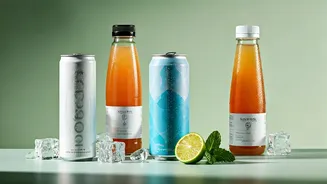
and alluring: the nostalgic, bubbly satisfaction of soda without the guilt. With flavors like Vintage Cola, Strawberry Vanilla, and Ginger Lemon, they evoke classic soda-fountain tastes but are packaged in sleek, Instagram-ready cans that signal something entirely new. This isn’t just a rebrand of diet soda, which has seen its own share of controversy over artificial sweeteners. These drinks are marketed as “functional beverages.” They’re not just about being “less bad” for you; they’re positioned as being actively *good* for you, thanks to a roster of buzzy, health-conscious ingredients.
The 'Functional Fizz' Formula
So, what’s actually in these cans? The secret sauce is a blend of ingredients aimed at boosting wellness, particularly gut health. The star players are prebiotics—a type of dietary fiber that feeds the “good” bacteria in your gut. You’ll often see chicory root or Jerusalem artichoke inulin on the ingredient list, providing a few grams of fiber per can. Many, like Poppi, also contain a splash of apple cider vinegar, a long-touted wellness staple believed to aid digestion. Others might include botanical extracts, real fruit juice, and probiotics (the live beneficial bacteria themselves). Crucially, they achieve their sweetness with minimal sugar, often using natural alternatives like stevia or monk fruit. A can of Olipop, for instance, has around 35 calories and 2-5 grams of sugar, a stark contrast to a traditional cola’s 140 calories and 39 grams of sugar.
Riding the Anti-Soda Wave
This trend didn't appear in a vacuum. For years, American consumers have been consciously “uncoupling” from sugary drinks. The boom of sparkling water like LaCroix in the 2010s was the first major sign. People still wanted carbonation and flavor, but without the sugar and calories of traditional soda. LaCroix proved the market was vast, but it left a gap. Seltzer is great, but it doesn't have the full-bodied taste or mouthfeel of soda. Functional sodas are the next logical step. They provide a more complex flavor profile that mimics real soda while adding a compelling wellness angle. They’re for the consumer who graduated from Diet Coke to LaCroix but still misses the fun of a can of pop. This new category essentially asks: what if your fun treat could also be your daily dose of fiber?
Healthy Soda or Just Hype?
Here’s the million-dollar question: are these drinks a true health food? The consensus among dietitians is a nuanced “it’s complicated.” On one hand, they are undeniably a better choice than a full-sugar soda. Lower calories, minimal sugar, and a bit of fiber are clear wins. For someone with a serious soda habit, making the switch is a significant nutritional upgrade. However, they aren’t a magic elixir. The fiber content is relatively small compared to what you’d get from whole foods like fruits, vegetables, and legumes. Relying on a soda for your prebiotic intake is less effective than simply eating a balanced diet. Nutrition experts advise thinking of them as what they are: a treat. They are a healthier *alternative* to conventional soda, not a replacement for water or a substitute for a genuinely healthy lifestyle. Think of it as a smarter indulgence, not a shortcut to perfect health.