
Moving Beyond Gulab Jamun
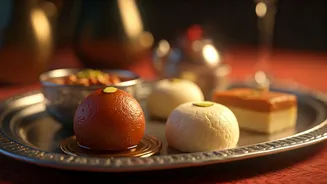
For many Americans, the Indian dessert experience begins and ends with a few familiar superstars. There’s gulab jamun, those delightful syrup-soaked dough balls, and perhaps kheer, a creamy rice pudding subtly scented with cardamom. While delicious, these
dishes represent just the tip of a vast and diverse subcontinent of sweets. For years, India's high-end restaurants chased global trends, offering deconstructed tiramisus, chocolate lava cakes, and complex foams. But a significant shift is underway. Diners and chefs are turning their backs on imported concepts and looking inward, sparking a renaissance of traditional Indian sweets that had been relegated to home kitchens or forgotten altogether. It’s a quiet, confident movement that says the most exciting new flavor might just be one that’s hundreds of years old.
A Delicious Dose of History
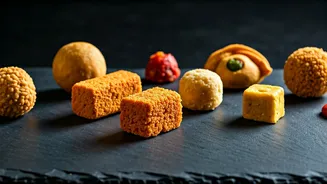
So what exactly are these nostalgic treats? They’re often regional specialties with deep historical roots, each telling a story of local ingredients and culture. In restaurants in Mumbai and Delhi, you might now find *chenna poda*, a caramelized cheesecake-like dessert from the eastern state of Odisha, made from baked cottage cheese and scented with cardamom. Another star is *bebinca*, a rich, multi-layered pudding from Goa with Portuguese influences, painstakingly made with coconut milk, flour, sugar, and ghee. Then there’s *patishapta*, a delicate Bengali crêpe filled with coconut and jaggery (unrefined cane sugar), or *thekua*, a crunchy, deep-fried cookie from Bihar that’s traditionally made as a religious offering. These aren’t just sweets; they are edible artifacts, offering a taste of a specific time and place that many diners thought was lost to the pressures of modernization.
The Pushback Against ‘Modern’
This trend isn't happening in a vacuum. It’s a direct response to a decade dominated by molecular gastronomy and Western-style desserts in India’s fine-dining scene. While initially exciting, the endless parade of soils, foams, and spheres left many diners feeling cold and disconnected. The pendulum is now swinging back toward authenticity and comfort. The rediscovery of these nostalgic desserts is part of a broader cultural moment in India—a growing pride in local identity, ingredients, and culinary heritage. It’s a rejection of the idea that “international” is inherently better. For a generation of Indians who grew up with globalized media and food, embracing a hyper-local, traditional dessert is a way to connect with their own roots. It’s a comforting, delicious act of cultural reclamation.
Chefs as Culinary Storytellers
Leading this charge are chefs who see themselves as more than just cooks; they are culinary archaeologists and storytellers. They are digging through old family cookbooks, traveling to remote villages, and speaking with grandmothers to unearth and preserve these recipes. For them, putting a forgotten sweet on a modern menu is not just a novelty. It's a way to honor their heritage and educate a new generation of diners. They are refining textures, balancing sweetness, and presenting these humble desserts with the elegance they deserve, all without losing the soul of the original dish. By doing so, they are ensuring that these flavors aren't just a memory but a living, evolving part of India’s vibrant food scene.