





Mastering 'Walks' and Travel Breaks
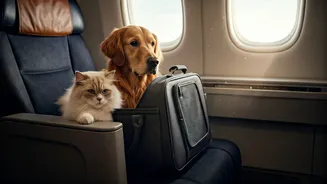
Whether you’re driving across the state or just to a relative’s house, your pet’s physical needs don’t take a vacation. The “walk” is more than just a bathroom break; it’s about safety, exercise, and managing anxiety in unfamiliar environments. For road
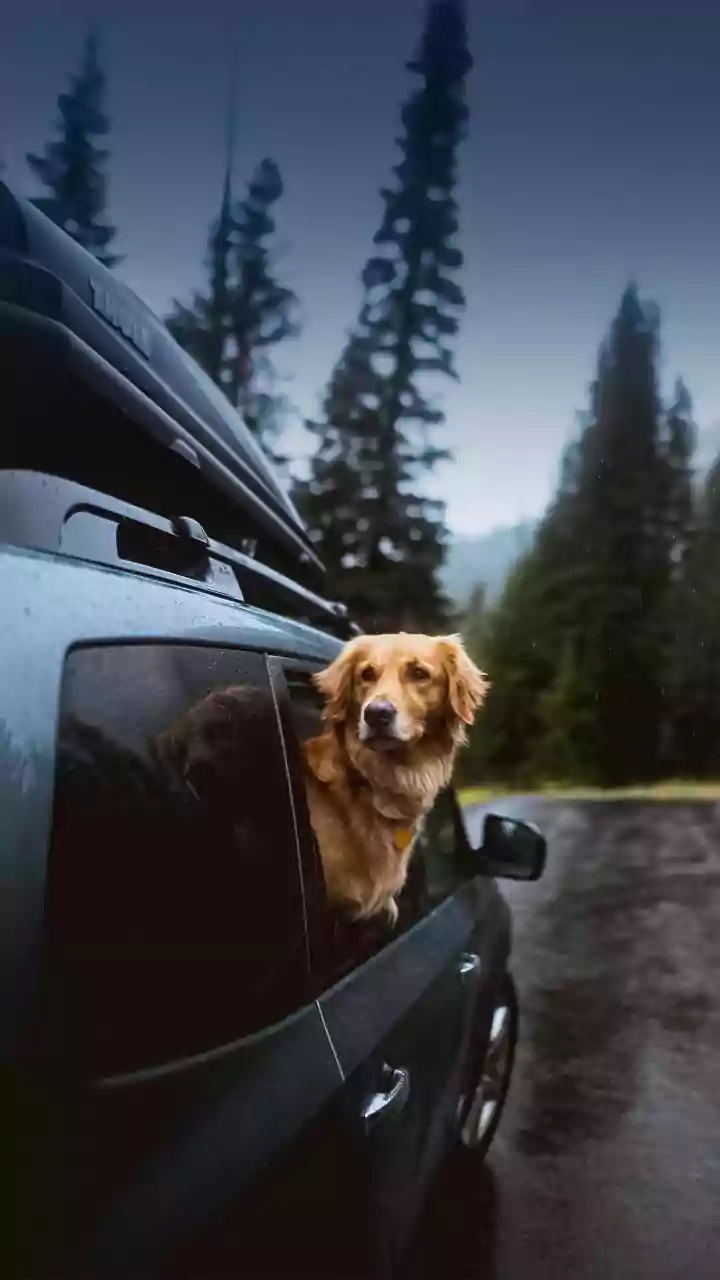
trips, the American Veterinary Medical Association (AVMA) recommends stopping every 2-3 hours to let your dog stretch and relieve themselves. These breaks are crucial for preventing restlessness and accidents. Always use a sturdy leash and harness, as a frightened pet can easily slip a collar in a busy rest area. Before you even leave, ensure your pet’s microchip information is up-to-date with your current cell number. When you arrive at your destination, the new sights and smells can be overwhelming. Initial walks should be short and calm, allowing your pet to acclimate without becoming overstimulated. Maintain their regular walking schedule as much as possible to provide a sense of normalcy.
Securing the Perfect 'Stay'
The decision of where your pet “stays” is often the biggest holiday hurdle. The two main paths are bringing them with you or arranging for their care while you’re away. If your pet is coming along, booking truly pet-friendly accommodation is key. Don't just rely on a website's icon; call the hotel or rental property directly. Ask about specific rules: Are there size or breed restrictions? Can pets be left unattended in the room? Are there designated green spaces nearby? Upon arrival, create a familiar “den” for your pet with their own bed, toys, and water bowl to help them feel secure. If your pet is staying behind, your options are typically a professional boarding facility (kennel) or a pet sitter. For boarding, visit the facility in advance. Look for cleanliness, proper ventilation, and a staff that seems knowledgeable and caring. Ask about their vaccination requirements, emergency protocols, and how they handle dogs with different temperaments. For a more personal touch, a pet sitter—either one who visits your home or one who boards your pet in theirs—can be a great option, especially for anxious animals. Reputable sitters found on apps like Rover or Wag are insured, have background checks, and feature public reviews. Whichever you choose, book far in advance, as holiday spots fill up months ahead of time.
Navigating Holiday 'Food' and Treats
Holiday gatherings are centered around food, but many festive human dishes can be dangerous for pets. Maintaining your pet’s dietary routine is the safest course of action. Pack enough of their regular food for the entire trip, plus a little extra in case of delays. Traveling can sometimes cause an upset stomach, so resist the urge to introduce new foods. The biggest threat comes from well-meaning guests who want to share their plate. Politely but firmly establish a “no table scraps” rule. Foods like chocolate, grapes, raisins, onions, garlic, and anything containing the artificial sweetener xylitol are toxic to dogs. Fatty foods like turkey skin, gravy, and rich desserts can lead to pancreatitis, a painful and serious inflammatory condition. If you want your pet to have a special holiday treat, stick to ones made specifically for them. You can bring their favorite biscuits from home or find pet-safe holiday-themed treats at most pet stores. Always ensure they have constant access to fresh water, especially after a long car ride or in a dry, heated home.