







The Monsoon Gardener’s Dilemma
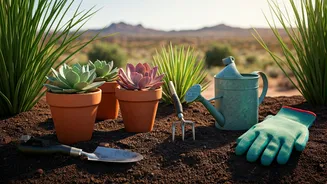
Gardening in a monsoon climate is a test of extremes. For months, you battle intense sun and dry conditions. Then, the rains arrive—not as gentle, soaking showers, but as powerful, soil-compacting downpours. A single storm can dump inches of rain in under
an hour, turning your carefully tended garden into a swamp. The ground becomes super-saturated, suffocating plant roots and creating the perfect environment for fungal diseases like root rot. Native soils, whether heavy clay or fast-draining sand, often can't cope. Clay turns to an impenetrable brick or a soupy mess, while sandy soil sees precious nutrients and topsoil simply wash away. This boom-and-bust water cycle is precisely why so many promising vegetable and flower gardens falter just when they should be thriving.
Superior Drainage Is the Secret
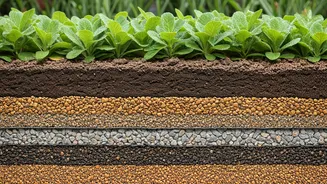
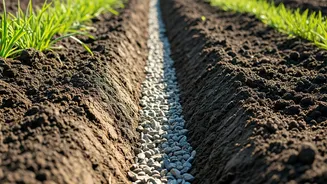
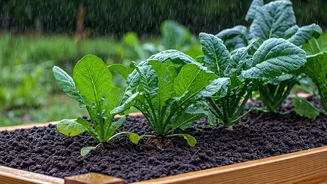
This is where the raised bed proves its worth. Its single greatest advantage is superior drainage. By elevating the growing area six inches to a foot or more above ground level, you create a buffer against waterlogged soil. When a torrential downpour hits, gravity works in your favor. Excess water drains down and out of the bed’s soil profile much faster than it can from compacted, level ground. The soil holds onto the moisture it needs, but the surplus that would normally drown your plants’ roots is wicked away. This simple elevation difference means the difference between a plant surviving a monsoon storm and a plant thriving after one. It’s the most effective insurance policy you can buy against the root rot that plagues so many in-ground gardens during the rainy season.
You Gain Total Control Over Soil
Raised beds are essentially large containers that you get to fill with your own perfect soil mix. Instead of struggling to amend heavy clay or nutrient-poor sand year after year, you can create the ideal growing medium from day one. A typical raised bed mix—often called “gardener’s gold”—is a blend of high-quality compost, peat moss or coco coir, and a coarse material like perlite or vermiculite. This combination is designed to be loamy, nutrient-rich, and, most importantly, exceptionally well-draining. It holds moisture without becoming soggy and resists compaction. When the monsoon rains fall, this custom soil blend allows water to pass through freely while retaining the perfect amount for healthy root function. You’re no longer fighting your native soil; you’re giving your plants exactly what they need to withstand environmental stress.
Less Compaction, Less Erosion
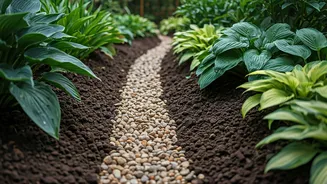
Every time you step into a traditional garden to weed, water, or harvest, you compact the soil, squeezing out the air pockets that roots need to breathe. This problem is magnified when the ground is wet. Raised beds solve this by design. All your work is done from the pathways surrounding the bed, so you never have to set foot on the growing soil. This keeps it light and friable all season long. Furthermore, the wooden, metal, or stone walls of the bed act as a barrier against erosion. During a heavy downpour, your precious, nutrient-rich topsoil isn’t washed away into the street. It stays right where your plants need it, ensuring they have the resources to grow strong and produce, long after the storm has passed.
A Head Start on the Season
While drainage is the key benefit during the monsoon, raised beds offer another advantage earlier in the year. Because they are elevated and contained, the soil within them warms up much faster in the spring than the ground does. This allows you to plant earlier, giving your crops a crucial head start before the intense heat of early summer arrives. By the time the monsoons begin in July or August, your plants are larger, more established, and better equipped to handle both the deluge of rain and the accompanying humidity, making for a healthier and more productive garden overall.