

Why June is the Golden Month
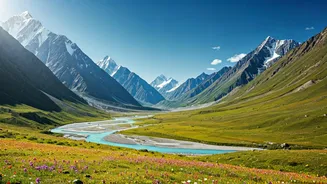
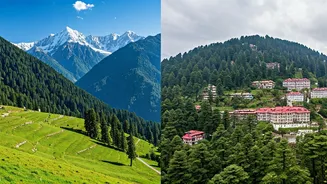
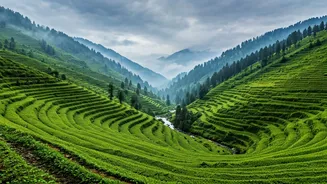
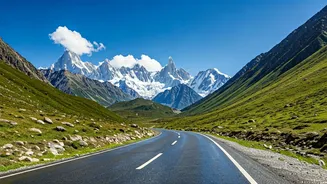
Timing is everything in the Himalayas. June represents a magical window in Himachal Pradesh, the Indian state where Manali and Kasol are located. The brutal winter has receded, leaving behind lush, emerald-green valleys fed by melting snow. The high-altitude
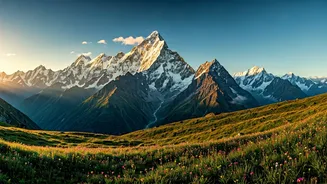
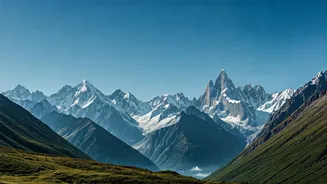
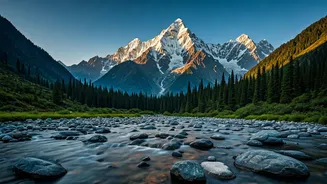
trekking routes, impassable for months, are finally open. Most importantly, you’re arriving just ahead of the heavy monsoon rains that typically sweep through in July and August. The weather is a perfect “Goldilocks” scenario: warm, sunny days ideal for hiking, followed by cool, crisp evenings perfect for a bonfire. The air is clear, the views of snow-capped peaks are sharp, and the entire region bursts with life before the downpours settle in.
Manali: The Energetic Adventure Hub
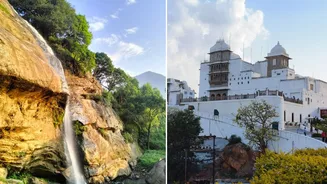
Think of Manali as the region's bustling, accessible gateway to high adventure. Nestled on the banks of the Beas River, it’s a town of two halves. New Manali is a busy commercial center with hotels, shops, and restaurants catering to a wide range of travelers. But the real charm lies in Old Manali, a short walk uphill across the Manalsu River. Here, traditional wooden homes with slate roofs sit alongside bohemian cafes, guesthouses, and artisan shops. This is where you’ll find the traveler buzz—people planning treks, sharing stories over ginger-lemon-honey tea, and soaking in the laid-back vibe. Manali is the perfect base for activities like paragliding in the Solang Valley, day trips to the famous Rohtang Pass (which typically opens in late May or early June), and white-water rafting.
Kasol: The Bohemian Valley Retreat
If Manali is the hub, Kasol is the hideout. Located a couple of hours away in the stunning Parvati Valley, Kasol has a completely different energy. Known as the “Little Israel of India,” it has long been a haven for international backpackers, particularly from Israel, who come for long stays. The town itself is a small strip of guesthouses, German bakeries, and trance-music-inflected cafes lining the roaring Parvati River. The atmosphere is slower, more contemplative, and deeply connected to the surrounding nature. Kasol isn’t about ticking off a list of sights; it’s about settling in. It serves as the primary starting point for some of the region's most iconic treks into the valley, where tiny villages like Tosh and Malana feel worlds away from modernity.
Choose Your Trekking Adventure
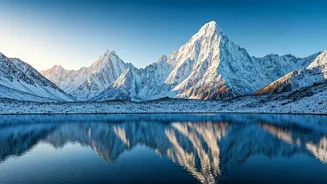
The main event in June is trekking. From Manali, the Bhrigu Lake trek is a fantastic option—a multi-day journey that takes you to a stunning high-altitude alpine lake before it becomes difficult to access during the monsoon. From Kasol, the legendary Kheerganga trek is a must-do. This two-day hike winds through the Parvati Valley, culminating in a natural hot spring at the top, offering the surreal experience of soaking in warm water while gazing at snow-dusted peaks. In June, the trails for both are lined with wildflowers, and the weather is generally cooperative, making them challenging but immensely rewarding experiences for moderately fit hikers.
Practical Tips for the U.S. Traveler
Getting to this remote paradise requires a bit of planning. The typical route involves flying into New Delhi (DEL). From there, you can take a short domestic flight to the nearby Bhuntar Airport (KUU), followed by a one-to-two-hour taxi ride. A more common and budget-friendly option is the overnight tourist bus from Delhi—a bumpy but classic rite of passage. U.S. citizens need a visa to enter India, but the e-Visa process is relatively straightforward and can be completed online before your trip. Pack layers: t-shirts for sunny afternoons, a fleece for the evenings, and a waterproof jacket just in case. And while credit cards are accepted in larger hotels in Manali, cash is king in Kasol and on the trails.