





Myth: You need to be sore to know it worked.
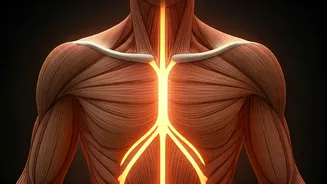
We’ve all been there: waking up the day after a tough workout, wincing as we get out of bed, and thinking, “Yes! It’s working.” This feeling, known as Delayed Onset Muscle Soreness (DOMS), is caused by microscopic tears in your muscle fibers, which is part
of the muscle-building process. However, treating soreness as the primary benchmark for a good workout is a mistake. Your body is incredibly adaptive. As you get fitter, you’ll experience less soreness from the same workout. A lack of soreness doesn’t mean you didn’t work hard or stimulate muscle growth; it might just mean your body is recovering more efficiently. The real indicators of progress are things you can track: lifting a heavier weight, completing more reps, or feeling more energetic—not how much you ache the next day.
Myth: Crunches are the key to flat abs.
If you’ve ever spent an entire gym session doing hundreds of crunches in pursuit of a six-pack, you’ve fallen for one of the oldest myths in the book: spot reduction. The idea that you can burn fat from a specific area of your body by exercising that area is, unfortunately, a complete fiction. While crunches and other core exercises will strengthen your abdominal muscles (which is important for stability and posture), they won't melt the layer of fat covering them. Visible abs are primarily a result of low overall body fat. The reality check? A combination of a balanced diet, consistent cardiovascular exercise, and full-body strength training is the real formula for reducing body fat and eventually revealing the strong abdominal muscles you’ve been building underneath.
Myth: Lifting heavy weights will make women “bulky.”
This fear has kept countless women from embracing the most effective tool for building a strong, lean, and metabolically active physique: heavy weights. The image of a bulky bodybuilder is the result of a very specific, high-volume training regimen, a highly controlled diet, and, critically, hormonal profiles that support massive muscle growth. Most women do not have the levels of testosterone required to build large, bulky muscles naturally. For the vast majority, lifting heavy will lead to stronger bones, a faster metabolism (as muscle burns more calories at rest than fat), and a more defined, “toned” look—not bulk. Strength training is the architect of your body’s shape; don’t be afraid to challenge your muscles.
Myth: You have to do hours of cardio to lose weight.
The treadmill can feel like a hamster wheel, especially when you’re slogging through an hour-long session just because you think you have to. While cardiovascular exercise is fantastic for your heart health and can contribute to a calorie deficit, it’s not the magic bullet for weight loss many believe it to be. In fact, your diet has a far greater impact on weight loss than your cardio routine. You simply can’t outrun a poor diet. Furthermore, prioritizing only cardio at the expense of strength training can be counterproductive. Building muscle through resistance training increases your resting metabolic rate, meaning you burn more calories around the clock. The most effective approach combines mindful nutrition with a mix of strength training and cardio for overall health and sustainable results.
Myth: More is always better.
In our hustle-harder culture, it’s easy to assume that a two-hour workout is twice as good as a one-hour workout. But when it comes to fitness, quality and consistency trump sheer volume every time. Overtraining is a real phenomenon that can lead to burnout, injury, and diminishing returns. Your body builds muscle and gets stronger during periods of rest and recovery, not during the workout itself. Pushing yourself into the ground seven days a week without adequate recovery can actually hinder your progress. A well-structured plan with 3-5 intense, focused workouts per week, combined with proper sleep, nutrition, and rest days, will yield far better results than spending half your life at the gym feeling exhausted.