


Beyond the Open-Concept
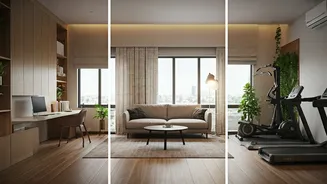
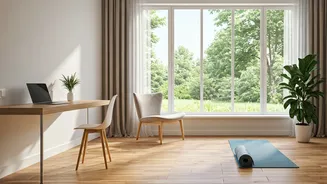
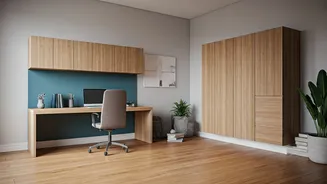
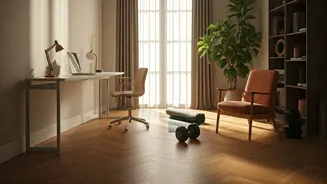
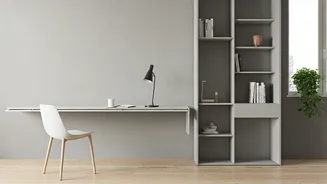
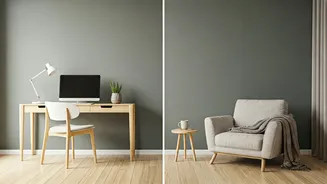
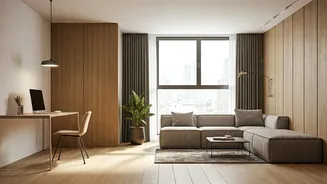
First, let's define the term. A 'multi-mood' space isn't about having multiple rooms for every activity—a luxury few younger renters or homeowners can afford. Instead, it’s a design philosophy focused on creating distinct functional and emotional *zones*
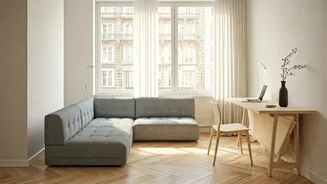
within a single area, like a studio apartment or a bedroom. By using subtle cues like lighting, textiles, and furniture arrangement, you can designate one corner for focused work, another for relaxation, and a third for socializing or creative pursuits. It's about programming a room to support different mindsets throughout the day, allowing your brain to switch gears even when your body hasn't left the building.
The Psychology of 'Zoning'
This trend is more than just clever decorating; it’s rooted in basic psychology. Our brains are hardwired to build associations between places and activities. This is why experts have long advised against working in bed—you risk teaching your brain that your mattress is a place for stress and productivity, which can interfere with sleep. By creating a dedicated 'work zone,' you're sending a clear signal to your brain: 'In this spot, we focus.' When you physically move to your 'relax zone' at 5 p.m., it acts as a powerful trigger to shut down the work part of your mind. This practice, known as 'perceptual separation,' helps restore the mental boundaries that daily commutes once provided, reducing burnout and making it easier to be present in both work and leisure.
Tip 1: Create a 'Commute'
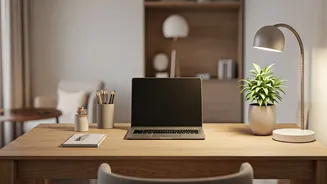
To make your zones effective, you need a ritual to move between them. This is your new 'commute.' It can be as simple as packing away your laptop into a designated bag or drawer at the end of the day. As you put it away, you are physically and mentally leaving 'the office.' Then, take a five-minute walk around the block, change out of your work clothes, or put on a different style of music. This small routine creates a definitive break, cleansing the palate between your professional and personal self and reinforcing the purpose of each zone you enter.
Tip 2: Differentiate with Lighting and Scent
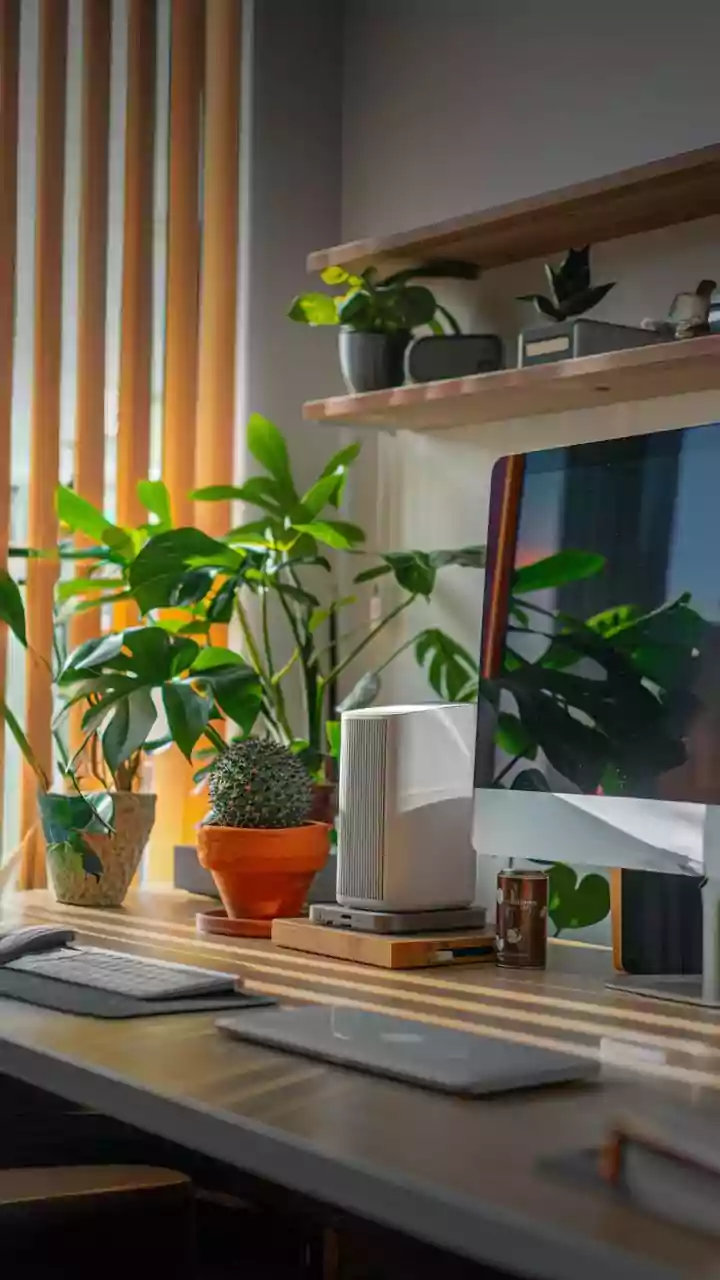
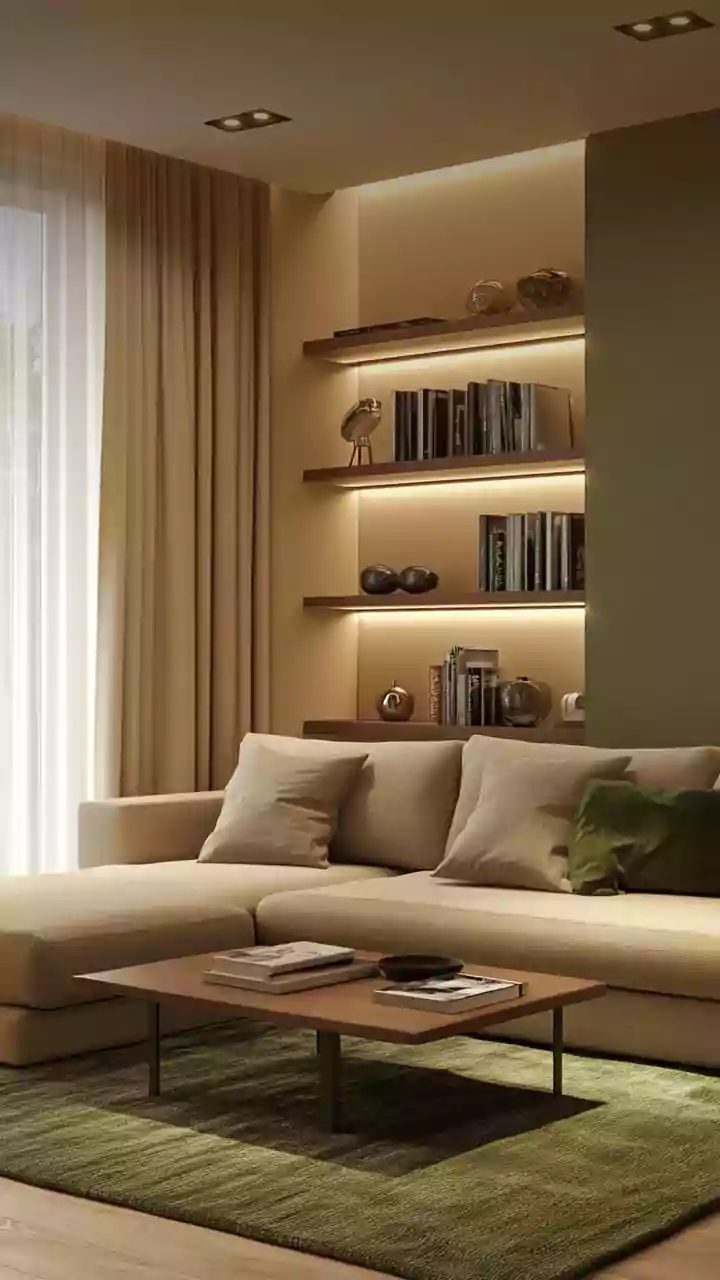
Sensory cues are your most powerful and affordable tools. For your work zone, use a bright, cool-toned desk lamp to promote alertness. For your relaxation zone, switch to a warm, soft floor lamp or even smart bulbs set to a cozy amber hue. Scent works the same way. A stimulating citrus or mint essential oil diffuser can signal the start of the workday. In the evening, swap it for a calming lavender or sandalwood candle. These sensory shifts act as subconscious reminders, instantly changing the 'mood' of the space without moving a single piece of furniture.
Tip 3: Use Rugs and Textiles to Define Areas
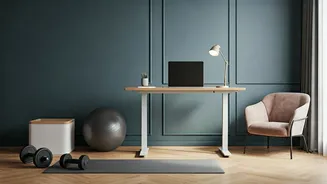
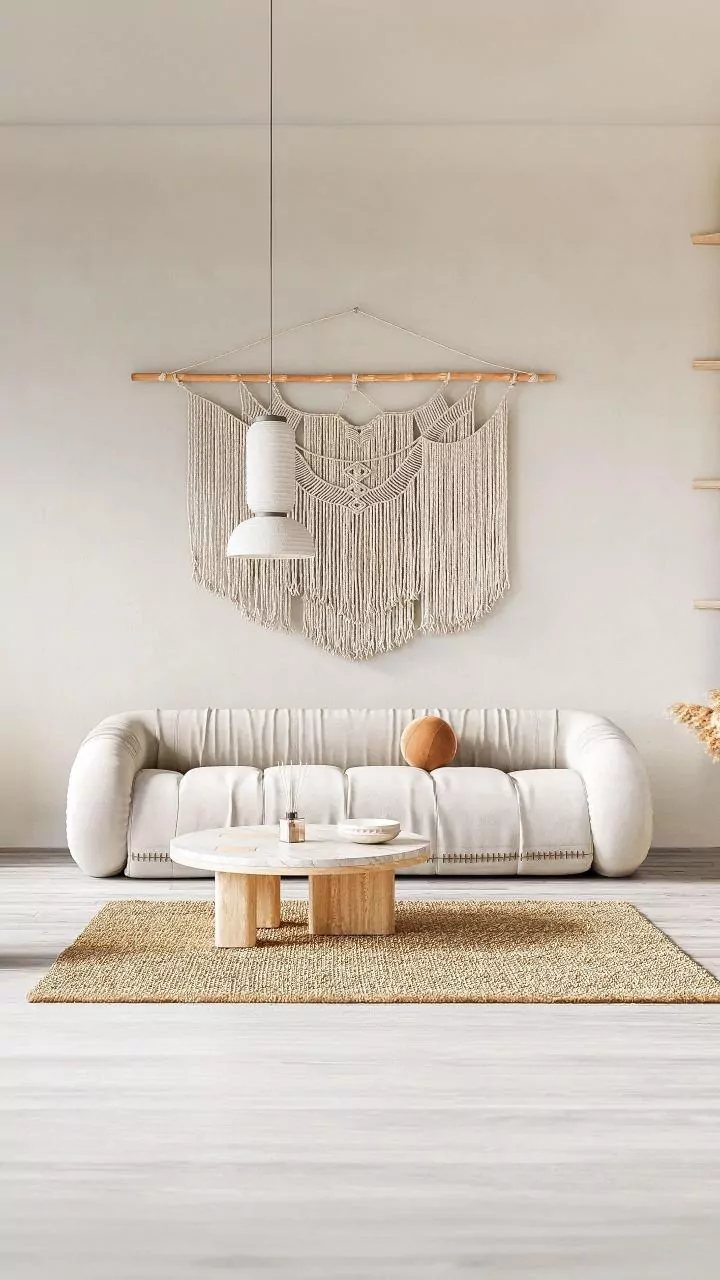
Visually anchor your zones with floor coverings. A small, simple rug under your desk and chair can effectively create a 'work island' in the middle of a larger room. For your relaxation area, choose a plusher, more comfortable rug. The change in texture underfoot is another subtle signal to your body and brain. The same principle applies to other textiles. Keep a specific, comfortable blanket and pillows exclusively in your 'decompression' corner. When you wrap yourself in that blanket, it’s a physical cue that the day is done.
Tip 4: Be Flexible and Mobile
For those in truly tight quarters, permanent zones might not be an option. The solution is mobile, multi-functional furniture. A bar cart can be a mobile office, holding your laptop, planner, and coffee during the day, then transforming into a drink station at night. A folding screen can be deployed to hide your desk area when guests are over, instantly changing the room's function. The goal isn't a perfect, static setup but a flexible system that adapts to your needs, giving you a sense of control over an environment that has to wear many different hats.