




First, A Refresher on Paneer
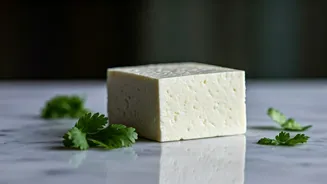
Let’s start with the basics. Paneer is a fresh, unaged cheese common in South Asian cuisine. It's made by curdling heated milk with a food acid like lemon juice or vinegar, then pressing the resulting curds to form a firm block. Unlike mozzarella or cheddar,
it doesn't melt when heated. Instead, it holds its shape, making it perfect for cubing and frying, grilling, or simmering in sauces. Its mild, milky flavor makes it a fantastic canvas for spices and marinades. Think of it as a vegetarian workhorse, similar to firm tofu or halloumi, but with a uniquely tender, slightly squeaky texture. For millions of vegetarians in India and across the diaspora, it’s a primary source of protein and a beloved culinary staple that appears in everything from celebratory feasts to simple home-cooked meals.
The Great Paneer Rebrand
For years, the most visible paneer dishes in the U.S. have been the heavy hitters: Paneer Makhani (in a creamy tomato and butter sauce), Saag Paneer (with spinach), and Shahi Paneer (a royal, rich Mughlai dish). While undeniably delicious, these preparations cemented paneer’s reputation as an indulgent, special-occasion food. Now, a new identity is emerging. Driven by social media foodies, health-conscious home cooks, and a growing appreciation for the diversity of Indian cuisine, lighter paneer plates are taking center stage. We’re talking about pan-seared paneer cubes tossed into vibrant salads, marinated paneer skewers grilled to smoky perfection, and spiced paneer crumbles used as a filling for tacos or lettuce wraps. This isn't a rejection of classic curries but an expansion of what paneer can be: an everyday ingredient for quick, healthy, and flavorful meals.
Why Now? The Health and Convenience Push
Several factors are fueling this trend. First is the ongoing search for high-quality vegetarian protein. With around 15 grams of protein per 3.5-ounce serving, paneer is a powerhouse. It fits neatly into a variety of popular eating styles, from keto and low-carb diets to just a general desire to eat less meat. It’s a satisfying, substantial alternative that doesn't feel like a compromise. Convenience is another major driver. Unlike meat, paneer requires no complicated trimming or long cooking times. A block of store-bought paneer can go from package to plate in under 15 minutes. You can cube it and pan-fry it with some spices for a quick weeknight protein, or crumble it into eggs for a savory scramble known as paneer bhurji. This ease of use makes it incredibly appealing for busy people who still want to eat well.
Your Gateway to Lighter Paneer
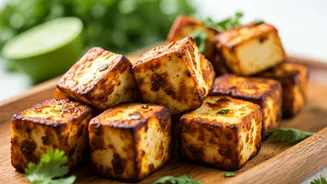
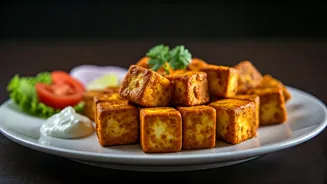
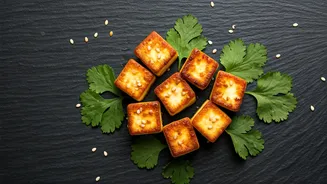
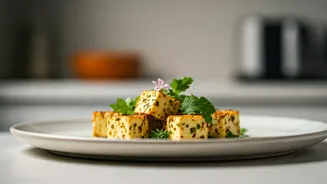
Ready to get in on the trend? It’s easier than you think. Start by looking for paneer in the cheese or international aisle of your local grocery store. Once you have it, the possibilities are endless. For a simple and stunning dish, cube the paneer, toss it with your favorite spices (turmeric, cumin, and chili powder are a great start), and pan-fry it in a little oil until golden brown on all sides. These crispy cubes are an amazing addition to salads, grain bowls, or can be eaten as a simple snack with a squeeze of lime. Another fantastic entry point is Paneer Tikka. Marinate cubes of paneer in a mixture of yogurt, ginger, garlic, and spices for about 30 minutes, then thread them onto skewers with chunks of bell pepper and onion. You can grill, bake, or even air-fry them for a smoky, appetizer-style dish that feels both elevated and incredibly easy.