


Defining the New Naturalism
So, what exactly is the earthy decor that’s defining this shift? It’s a design language that whispers instead of shouts. Think less of the pristine, untouchable minimalism of the 2010s and more of a warm, lived-in sanctuary. The foundation rests on natural,
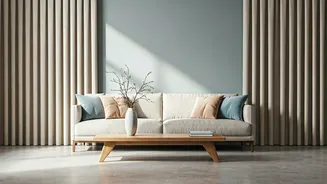
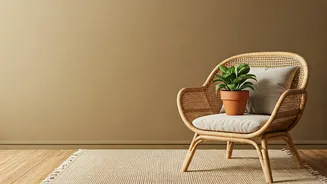
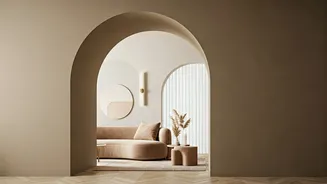
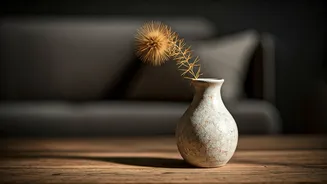
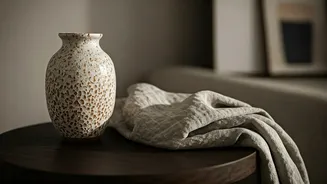
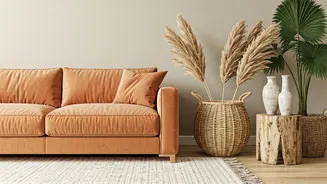
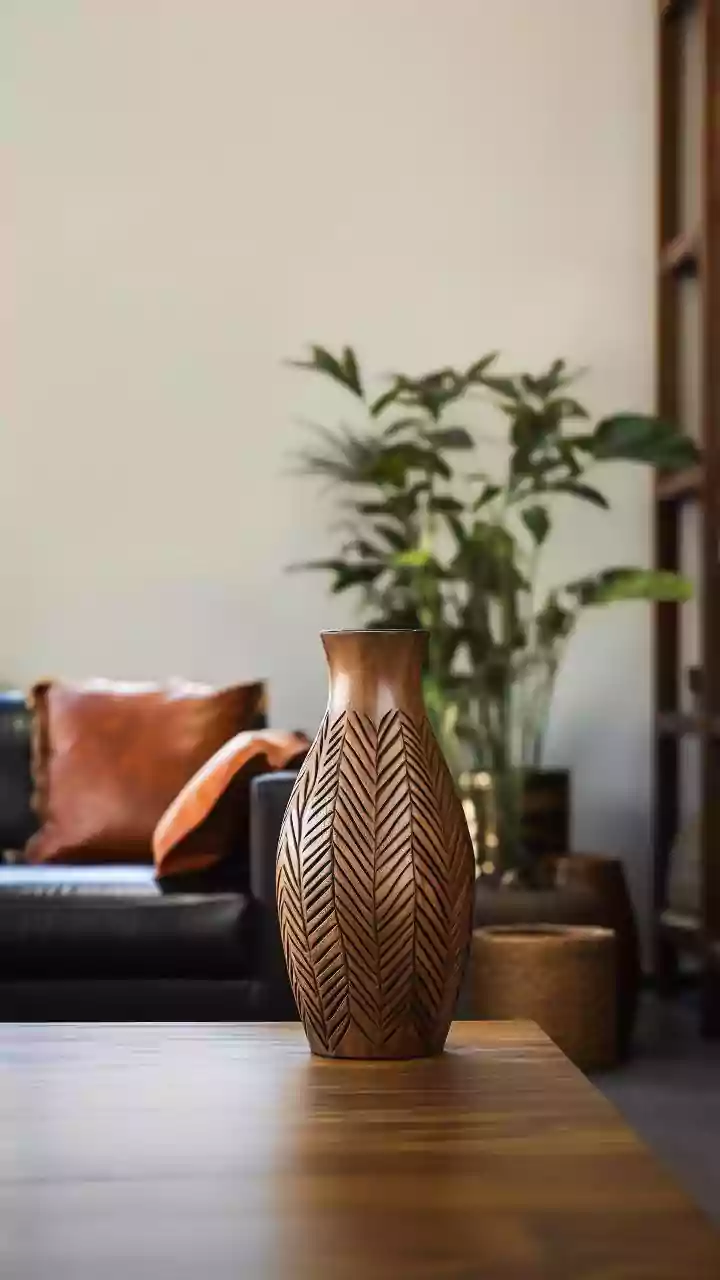
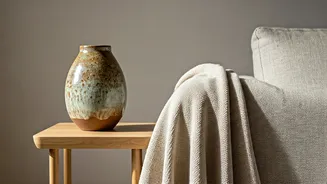
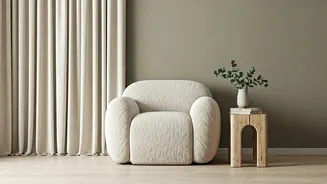
often raw, materials: travertine tables with their porous surfaces, walls finished in chalky limewash or textured plaster, and furniture made from unfinished, light-toned woods like oak and ash. It's a look that celebrates imperfection—the knot in a piece of wood, the subtle variations in a handmade ceramic vase, the gentle patina that materials develop over time. This aesthetic pulls heavily from nature, not just in materials but in form. You'll see more organic shapes, from kidney-bean sofas and undulating chairs to irregularly shaped mirrors and rugs that mimic natural patterns.
The Psychology of a 'Calm Flex'
The rise of this trend isn’t just about aesthetics; it's a direct response to our increasingly chaotic, digitally saturated lives. A 'calm flex' is the ultimate rebuttal to the culture of loud, conspicuous consumption. Instead of showing off wealth with shiny, branded objects, it signals a different kind of luxury: the luxury of peace, permanence, and well-being. It suggests that you’ve invested not just in your home, but in your own tranquility. After years of being bombarded by screens and notifications, we’re craving spaces that feel grounding. An earthy interior acts as a sensory balm, a place to disconnect and recharge. Choosing sustainable, long-lasting materials over fast-fashion furniture is also part of this flex—it’s a quiet statement about values, prioritizing craftsmanship and environmental consciousness over fleeting trends.
The Palette, Textures, and Forms
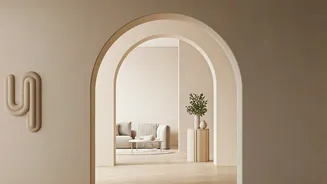
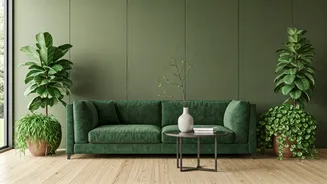
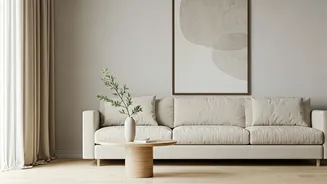
Getting this look right is a masterclass in subtlety. The color palette is drawn directly from the earth: warm beige, stone gray, muted terracotta, soft olive green, and deep soil browns. The key is to layer these tones to create depth and avoid a flat, one-note look. Texture does the heavy lifting. Swap out generic polyester for materials with tangible character: nubby linen curtains, chunky wool rugs, shearling accents, and rough-hewn ceramics. It’s about how a space *feels* as much as how it looks. Silhouettes are also softening. The hard-edged geometry that once dominated modern design is giving way to gentle curves. Think arched doorways and windows, rounded furniture legs, and circular coffee tables that encourage flow and conversation. Lighting plays a crucial role, with an emphasis on diffused, warm light from sculptural paper lanterns and fixtures made of natural materials.
How It's Different This Time
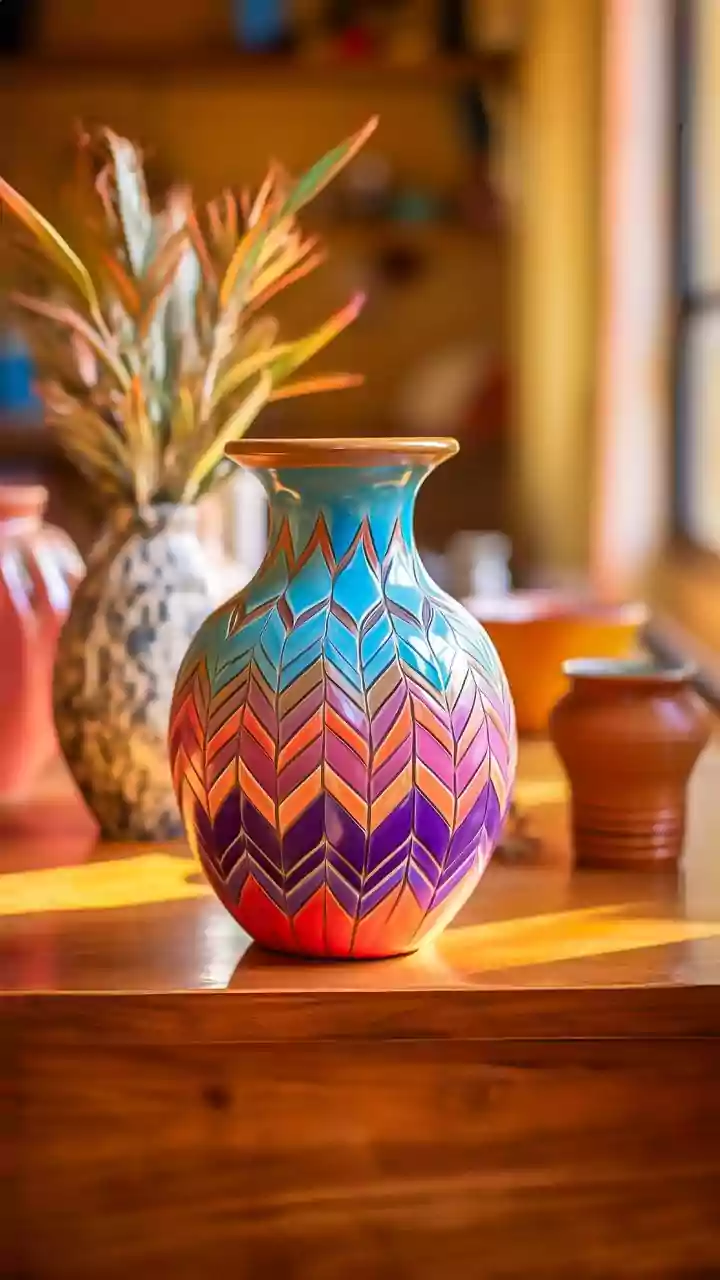
We’ve seen earth tones before, from the avocado greens of the 70s to the Tuscan-inspired golds of the early 2000s. But this iteration is different. It’s not about replicating a specific historical style; it’s about evoking a feeling. Unlike the cold, often sterile feel of peak minimalism, this new naturalism is all about warmth and comfort. It’s also a step away from the joyful but sometimes chaotic energy of 'dopamine decor' and cluttercore, which prioritized bright colors and collected tchotchkes. The earthy trend finds a sophisticated middle ground. It’s curated but not clinical, personal but not cluttered. It’s the grown-up version of wellness, integrated seamlessly into the very fabric of our homes.