




The Age of Arnold and Abs
To understand the current shift, you have to know what came before it. For the better part of two decades, fitness in urban India was largely a mirror of the West, refracted through the lens of Bollywood. The goal was overwhelmingly aesthetic. Inspired
by chiseled movie stars and global fitness magazines, the gym was a place to build biceps, chase a six-pack, and sculpt a body that looked good on social media. The iron-pumping, mirror-gazing culture of American bodybuilding found a fervent new audience in Mumbai, Delhi, and Bangalore. This era was defined by mega-gyms with rows of treadmills and weight machines, personal trainers who promised dramatic transformations, and a supplement industry that boomed overnight. Fitness was something you *achieved*, a visual marker of success and modernity. The conversation revolved around 'cuts,' 'macros,' and 'beach bodies,' often sidelining deeper questions about genuine health, mobility, or long-term well-being.
The Great Unplugging
Then came the pandemic, and the entire ecosystem ground to a halt. Gyms shuttered, and the initial pivot to at-home workouts—Zoom yoga, Instagram Live HIIT sessions, and expensive connected equipment—filled the void. For a time, it seemed like the future. But for many, it became a joyless chore. The isolation of exercising alone in a living room, staring at a screen, led to widespread burnout. More importantly, the crisis forced a collective re-evaluation of priorities. The focus shifted from looking good to feeling good, from surviving a grueling workout to building a resilient body and mind capable of weathering uncertainty. The abstract goal of a 'perfect' physique suddenly seemed trivial compared to the tangible benefits of a strong immune system, mental clarity, and the ability to move without pain. This existential pivot, combined with the economic strain that made lavish gym memberships feel like an indulgence, laid the groundwork for a profound reality check.
From Aesthetics to 'Feel'
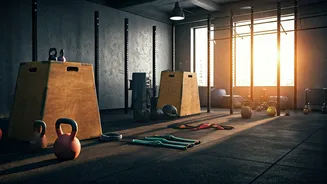
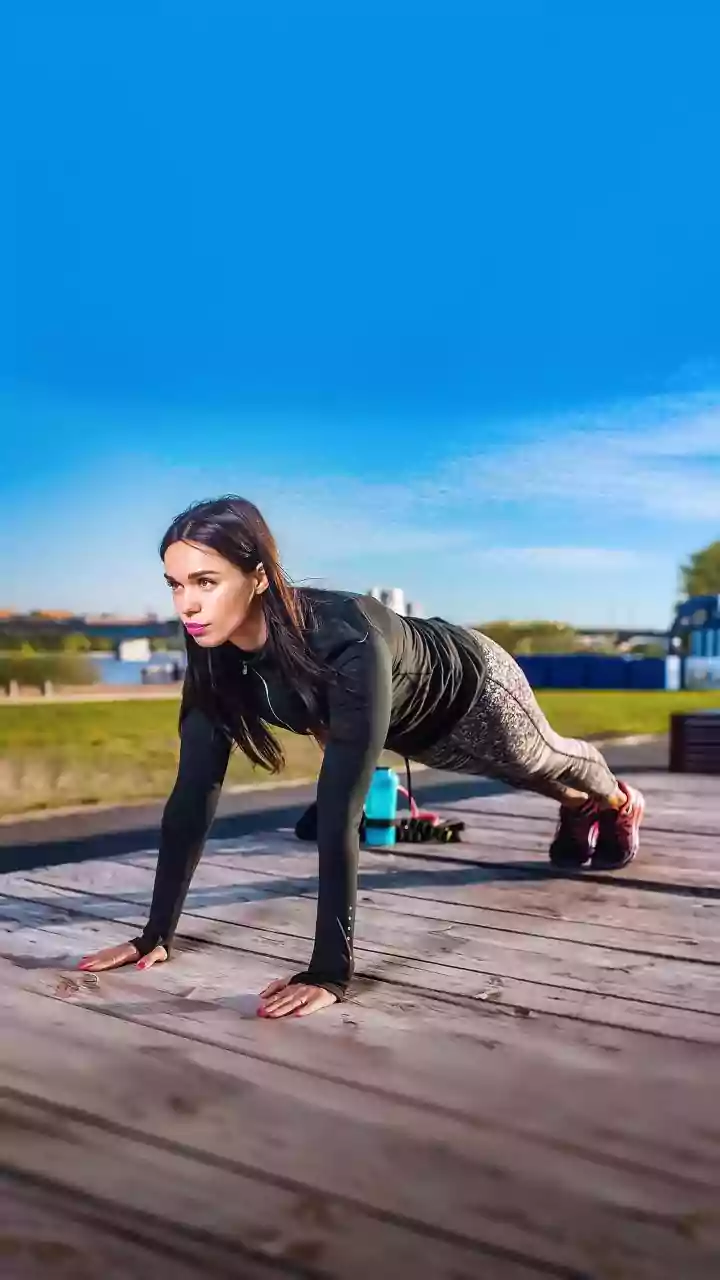
The fitness landscape emerging today looks radically different. The new buzzwords aren't 'shredded' or 'jacked,' but 'functional,' 'holistic,' and 'community.' Urban Indians are flocking to CrossFit boxes, calisthenics parks, and boutique studios that prioritize what a body can *do* over how it looks. The goal is no longer just to lift the heaviest weight but to be able to lift your groceries, play with your kids, and sit at a desk all day without your back seizing up. It’s a move from performance aesthetics to life performance. This movement also includes a powerful reclamation of indigenous and traditional practices. There's a renewed, modernized interest in yoga not just as a gentle stretch but as a demanding physical discipline. Ancient forms of wrestling (Kushti) and martial arts (Kalaripayattu) are finding new, urban audiences. This isn’t about nostalgia; it’s about finding authenticity and a connection to a wellness philosophy that feels less imported and more rooted.
The Power of the Group
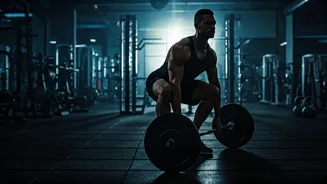
Perhaps the most significant change is the emphasis on community. Unlike the anonymous, headphone-clad environment of the traditional commercial gym, the new fitness spaces are deeply social. A CrossFit 'box' or a running club isn't just a place to sweat; it's a 'third place' where people forge genuine connections. In a world of increasing digital isolation, the shared struggle and mutual encouragement of a group workout have become powerful antidotes. These communities are often more inclusive, celebrating personal milestones—the first pull-up, a new personal record in a deadlift—over conforming to a single body ideal. The motivation comes not from a photoshopped celebrity but from the person working out next to you. This social fabric makes fitness feel less like a punishment and more like a shared, positive part of daily life, dramatically increasing the chances that people will stick with it.