



The Psychology of the Curve
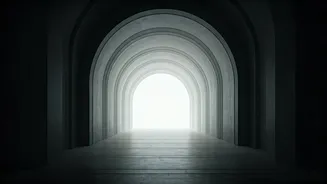
Our brains are hardwired to interpret shapes in specific ways. Sharp angles and straight lines can feel rigid and confining, effectively boxing in a space. Arches, on the other hand, operate on a different psychological principle. The gentle, continuous
curve is softer and more organic, subconsciously reminding us of forms found in nature. This softness breaks the visual monotony of a standard rectangular doorway. An arch draws the eye upward along its curve, creating a perception of greater height. It also frames the view into the next room not as an abrupt stop, but as a graceful invitation, encouraging a sense of flow and continuity. This visual journey through the archway, rather than a simple step through a rectangle, is what creates the powerful illusion of a longer, more connected space.
A Timeless Nod to History
The use of arches to create a sense of importance and space is anything but new. It’s a design trick with a long and storied history. Ancient Romans used grand arches in their aqueducts and triumphal monuments to signify power and permanence. Gothic cathedrals reached for the heavens with pointed arches, creating awe-inspiring vertical space. In the 20th century, the Art Deco and Mediterranean Revival movements embraced the arch for its decorative and softening qualities in residential architecture. Today's revival pulls from this rich history, but applies it on a more intimate scale. Bringing an arch into a modern home isn’t about replicating a Roman aqueduct; it’s about borrowing a piece of its architectural magic to elevate an everyday space, making a simple hallway feel like a deliberate, designed journey.
More Than Just Doorways
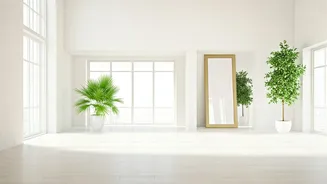
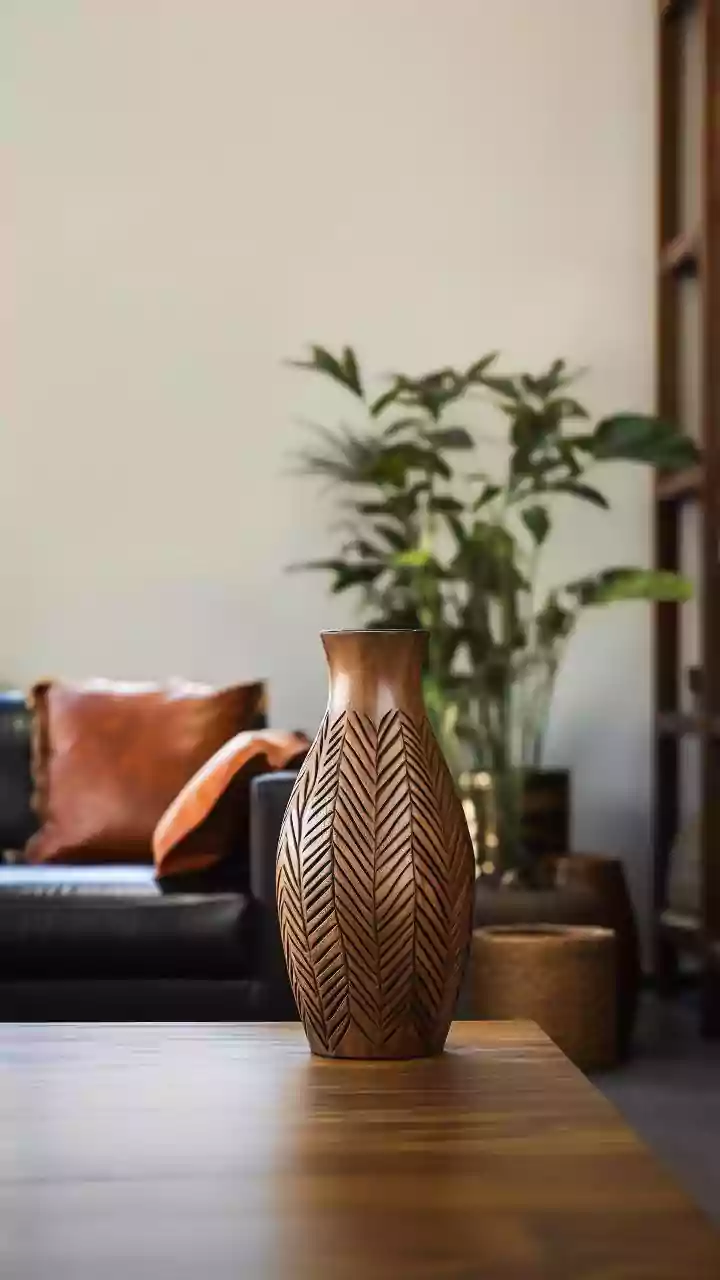
While replacing a standard rectangular doorway with an arched one is the most impactful application, it’s not the only way to introduce this feature. The principle of the arch can be scaled down and applied throughout a home to achieve a similar effect. Consider built-in shelving with an arched top to make a simple bookcase feel like a custom architectural element. An arched niche can turn a plain wall into a sophisticated focal point for displaying art or a favorite vase. Even something as simple as an arched floor mirror can work wonders; by reflecting the room within its curved frame, it not only adds light but also duplicates the illusion of height and softness. For those not ready for a construction project, a 'faux' painted arch on a wall can create a similar visual effect, defining a zone for a desk or headboard with a pop of color and shape.
Practical Considerations for Your Home
Before you take a sledgehammer to your doorways, it’s important to think practically. Creating a true arched passageway is a structural change that will likely require a contractor. It involves reframing the opening, drywall work, and finishing, so it’s a project with a real budget. The most common choice is a 'soft arch' or 'segmental arch,' which has a subtle, wide curve that fits well in most modern homes. For a more dramatic look, a 'Roman arch' forms a perfect semicircle. It's crucial to consider the home's overall style; an ornate arch might look out of place in a minimalist home, while a clean, simple curve can integrate almost anywhere. If structural change is off the table, premade archway kits can be installed within an existing rectangular opening to create the look without the demolition. These 'arch additions' are a clever compromise for homeowners looking for character on a budget.