
The Allure of the ‘Chaat’
To understand this trend, you first have to understand 'chaat.' The word itself comes from the Hindi verb 'chaatna,' meaning 'to lick,' and that’s a perfect description of the goal: to create a flavor so irresistible you want to lick the plate clean.
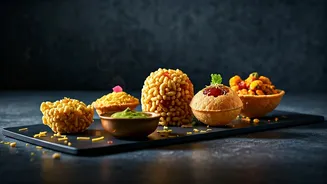
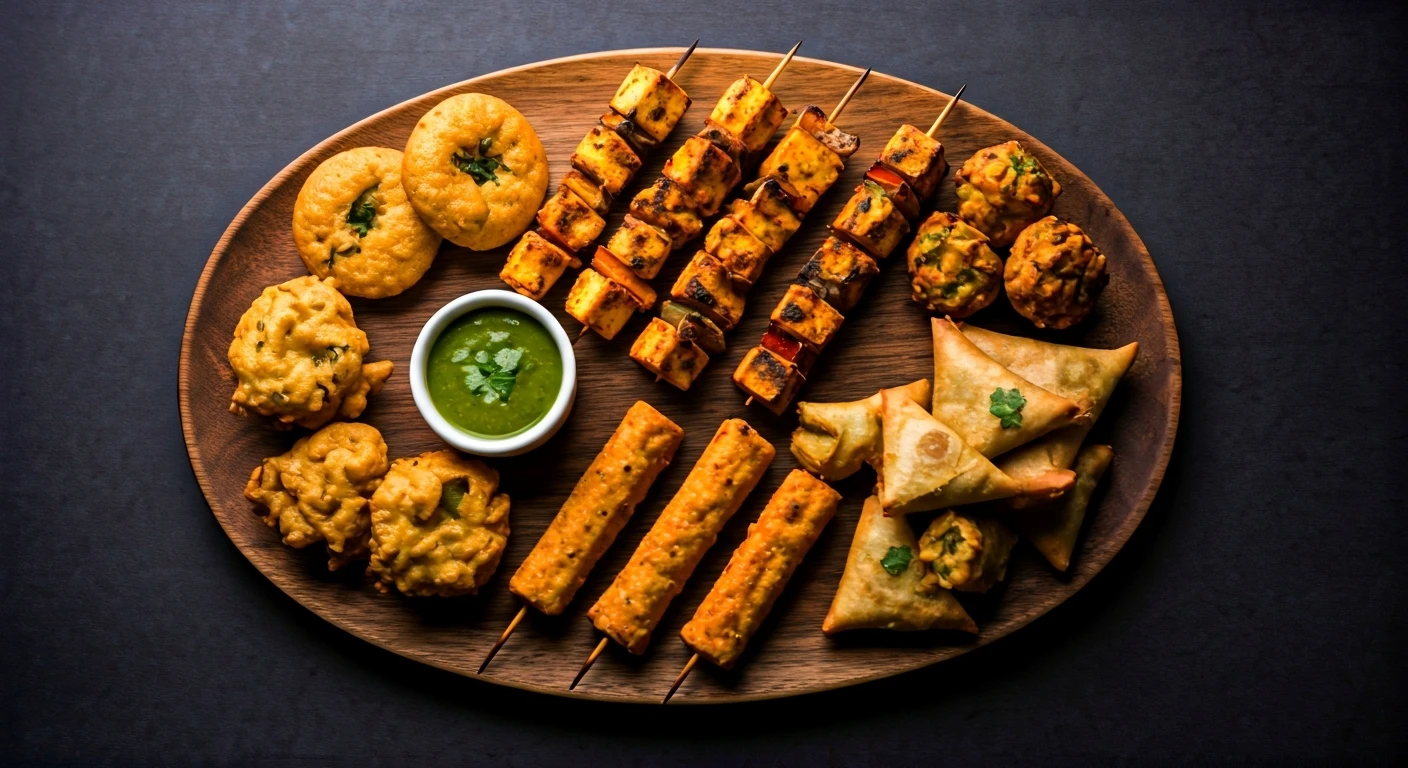
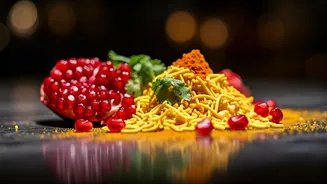
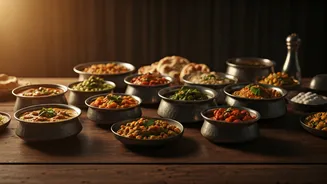
Chaat isn’t one specific dish; it’s a category of savory snacks served by street vendors across India, defined by a sensory explosion. Think of pani puri, where a hollow, crispy shell is filled with spiced potatoes, chickpeas, and tamarind-mint water, delivering a burst of sweet, sour, spicy, and crunchy all in one bite. Or bhel puri, a mix of puffed rice, raw onions, potatoes, and chutneys that is simultaneously light and intensely flavorful. This is the 'drama' the headline refers to: a delightful, multi-layered assault on the senses that leaves you wanting more. It’s not about a single note, like 'spicy' or 'salty.' It’s a symphony.
From the Street to the Supermarket
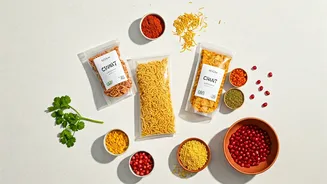
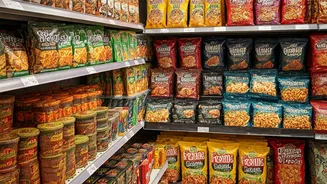
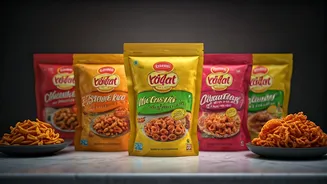
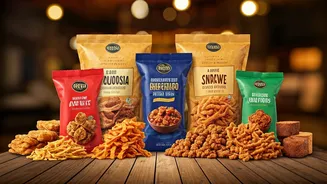
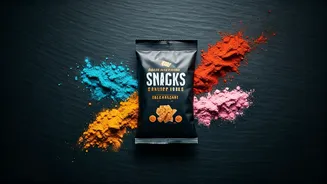
For years, international flavors in American snacks were often a muted, simplified suggestion of the real thing. But that’s changing. The most famous early ambassador is Lay’s Magic Masala, a longtime staple in India that has gained a cult following in the U.S. through import stores and online sellers. Its success signaled a latent appetite for more. Now, mainstream brands are getting bolder. Trader Joe’s, a reliable barometer of adventurous American tastes, offers items like their “Spicy Chakri Mix,” a crunchy spiral snack loaded with cumin, coriander, and chili. You can find bags of “Tamarind & Spice” potato chips or lentil-based crisps dusted with chaat masala, a distinctive spice blend featuring amchur (dried mango powder) for sourness and kala namak (black salt) for a sulfuric, funky edge. Smaller, digitally native brands are even more direct, marketing chips and puffs explicitly as “Tandoori-flavored” or “Mumbai-spiced,” banking on consumers who recognize—and crave—that specific flavor profile.
Why Now? The Changing American Palate
Several forces are converging to make this happen. First, the American palate is undeniably more sophisticated and adventurous than it was a generation ago. Thanks to globalization, travel, and the internet, consumers are more familiar with and open to authentic global cuisines. Foodie culture, powered by Instagram and TikTok, has turned trying new flavors into a form of entertainment and social currency. A viral video of someone trying pani puri for the first time can create more genuine curiosity than a multi-million dollar ad campaign. Second, the growing and influential Indian diaspora in the U.S. represents a powerful market in its own right, creating a commercial foundation for these flavors to go mainstream. As they become more widely available, other consumers are drawn in. Finally, after years of snacks competing on who could be the most artificially cheesy or ranch-dusted, the market is hungry for something new. The complex, layered flavors of Indian street food offer a perfect antidote to flavor fatigue.
Beyond Authenticity Debates
Naturally, whenever a dominant culture borrows from another, questions of authenticity and appropriation arise. Is a potato chip from a New Jersey factory truly capturing the essence of a freshly made snack on a Mumbai corner? Of course not. But to get bogged down in a rigid debate over authenticity is to miss the more interesting story. This trend isn't about perfectly replicating a dish; it's about translating a flavor philosophy. The 'drama' of Indian street food is its masterful balance of textures and tastes. What snack companies are borrowing is the idea that a single bite can be sweet, sour, spicy, savory, crunchy, and soft all at once. They are learning to build flavor in a more complex way. This isn't just a fleeting fad for a new 'Spicy' variant; it represents a fundamental shift in how snack food can be conceived and a recognition that consumers are ready for a more thrilling ride.