





Why Fresh Herbs Are a Game-Changer
Let’s be honest: those dusty jars of dried herbs at the back of the pantry have their place, but they rarely deliver a jolt of fresh, lively flavor. Dried herbs are the muted, dehydrated memory of the real thing. Fresh herbs, on the other hand, are an instant
upgrade. They add brightness, aroma, and complexity with almost zero effort. A sprinkle of green can turn a monotonous weeknight meal into something that feels intentional and special. The problem is that many herbs seem intimidating—requiring specific care, precise chopping, and complicated recipes. Mint and coriander are the perfect antidote to that fear. They are forgiving, versatile, and incredibly easy to incorporate into your daily routine.
Mint: The Refreshing Overachiever
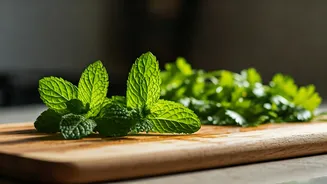
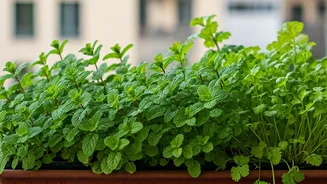
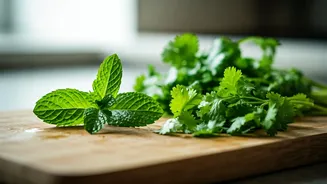
Mint is perhaps the most foolproof herb you can bring into your home. Its characteristic cool, sweet flavor is instantly recognizable and incredibly versatile. While often associated with desserts and cocktails, its potential in savory dishes is vastly underrated. The real win with mint, however, is its sheer resilience. This is not a delicate plant that will wither if you look at it the wrong way. Mint wants to grow, and it often does so with an enthusiasm that borders on aggressive, which is exactly what you want when you’re looking for a reliable, low-effort supply.
Growing and Storing Mint
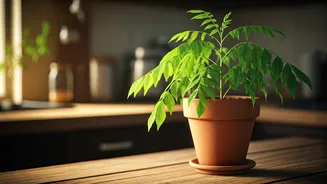
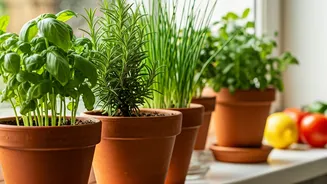
The number one rule of growing mint is to keep it in a container. Planting it directly in a garden bed is an invitation for it to take over your entire yard. For the rest of us, a small pot on a sunny windowsill is all you need. Buy a small starter plant from a garden center or even a grocery store. Place it in a pot with drainage, water it when the soil feels dry, and it will reward you with a near-endless supply. To harvest, just snip off what you need. To store store-bought mint, trim the stems and place them in a glass of water on your counter, like a bouquet. Alternatively, wrap the bunch in a damp paper towel and place it in a plastic bag in the fridge. It will stay fresh for over a week.
Five-Second Ways to Use Mint
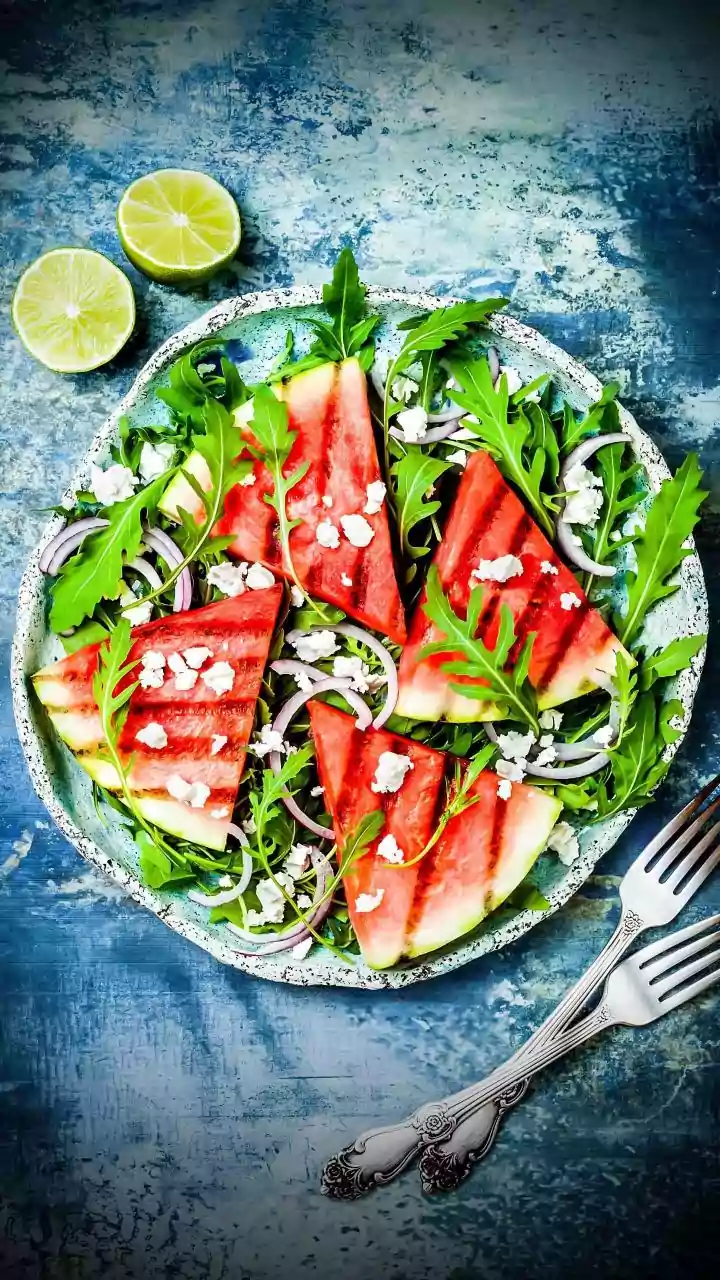
The beauty of mint is that it requires no recipe. Tear a few leaves and drop them into a pitcher of water for an instant spa-like refreshment. Muddle it at the bottom of a glass before adding iced tea or lemonade. Toss whole leaves into a simple salad with cucumber and feta for a Mediterranean twist. Finely chop it and mix with plain yogurt and a squeeze of lemon for a quick sauce for grilled chicken or lamb. Or, simply scatter torn leaves over a bowl of fresh berries. The goal is to think of it not as an ingredient, but as a finishing touch.
Coriander (Cilantro): The Brightness Booster
In the U.S., we know this herb best as cilantro—the leaves and stem of the coriander plant. Its bright, citrusy, and slightly peppery flavor is the signature taste of many Latin American, South Asian, and Southeast Asian cuisines. For some, it has a soapy taste, a quirk of genetics, but for the majority who love it, cilantro is an indispensable tool for adding a final burst of freshness. Unlike mint, which is cool and sweet, cilantro is zesty and loud. It doesn't blend in; it cuts through richness and adds a high note that lifts everything it touches, from a heavy stew to a simple bowl of rice.
Growing and Storing Coriander
Coriander is slightly more particular than mint but still manageable for beginners. It prefers cooler weather and can be grown from seed in a pot. The key is successive planting: plant a new batch of seeds every few weeks to ensure a continuous supply, as the plant tends to “bolt” (flower and go to seed) quickly in warm weather. For most people, buying it is the easiest path. To make a bunch last, use the same method as mint: trim the stems and place them in a jar of water on the counter, away from direct sunlight. It will stay perky and ready to use for days longer than it would in the fridge drawer.
Effortless Ways to Use Coriander
Coriander is best used fresh and raw, as its flavor diminishes with heat. Think of it as a garnish with superpowers. The most obvious use is to roughly chop it and scatter it generously over tacos, chili, or any kind of soup. Stir a handful into cooked rice or quinoa to instantly make a boring side dish exciting. It’s the key ingredient in a simple pico de gallo—just chopped tomatoes, onion, jalapeño, lime juice, and a massive amount of cilantro. You can even blend it with yogurt, garlic, and lime for a creamy dressing or marinade. Don't throw away the stems! They are packed with even more flavor than the leaves and can be finely chopped and used in any of the same applications.