



Head for the Hills: The Himalayan North
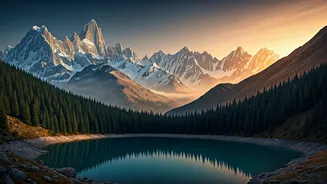
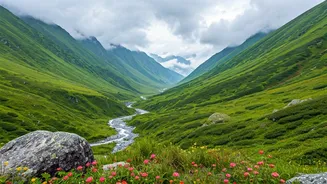
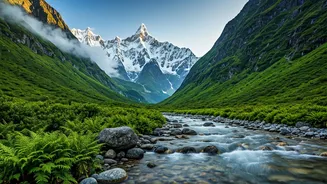
When the plains of North India sizzle, savvy travelers head for the mountains. The Himalayan states of Himachal Pradesh and Uttarakhand have served as cool-air refuges for centuries. Think of classic British-era hill stations like Shimla, once the summer
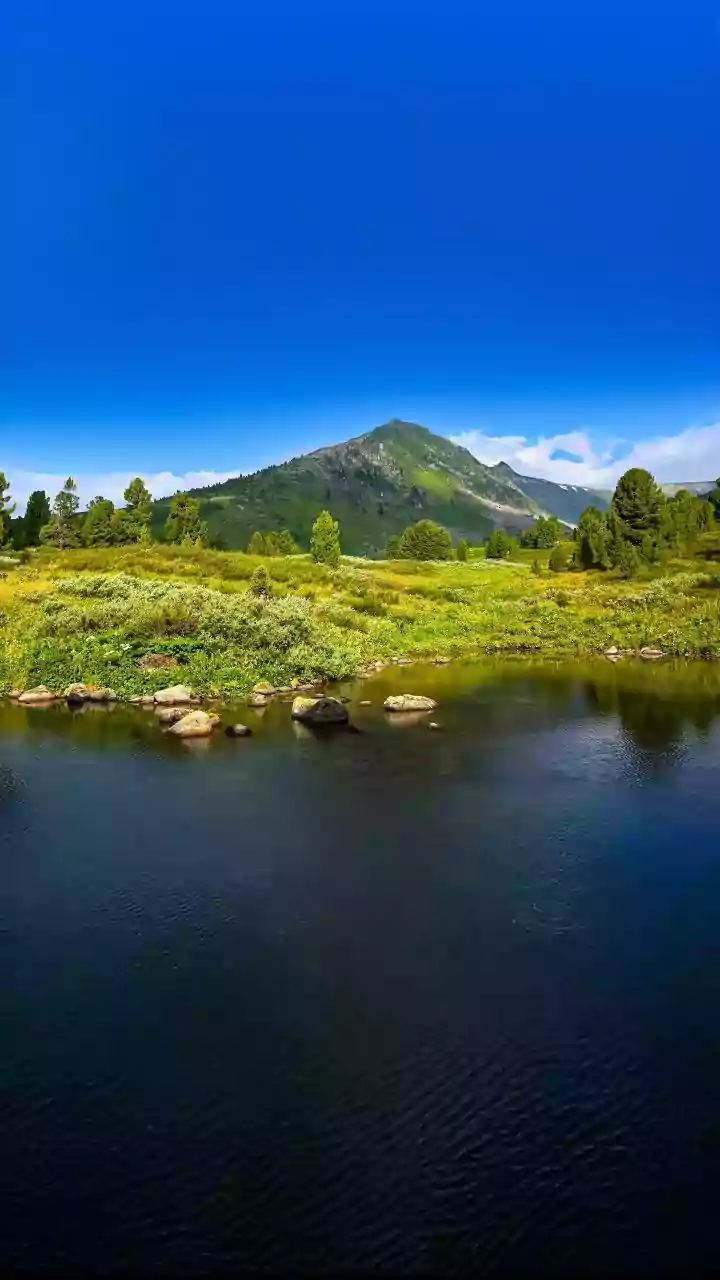
capital of British India, where colonial architecture meets stunning mountain vistas. For a more adventurous vibe, Manali offers a gateway to trekking, paragliding, and the high-altitude deserts of the Spiti Valley. Further north, Ladakh, often called 'Little Tibet,' is a summer paradise. Accessible from roughly June to September, this high-altitude desert landscape offers Buddhist monasteries, dramatic turquoise lakes, and crisp, dry mountain air when the rest of the country is either baking or soaked.
Rethink Your Timing: The 'Winter' Window
For iconic destinations like Rajasthan's desert palaces or the Golden Triangle (Delhi, Agra, Jaipur), timing is everything. Trying to see the Taj Mahal in May is a recipe for heatstroke. Instead, plan your trip during India's peak tourist season from November to February. During these months, daytime temperatures in places like Jaipur and Udaipur are pleasantly warm, comparable to a perfect fall day in the U.S., while evenings can be crisp and cool. You'll get to explore forts and markets in comfort, enjoying sunny skies without the oppressive humidity or extreme heat. This is the classic, comfortable way to see India's most famous sights.
Embrace the Monsoon: The Lush South
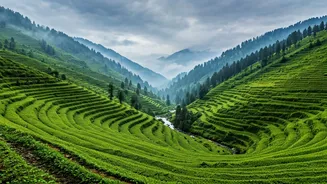
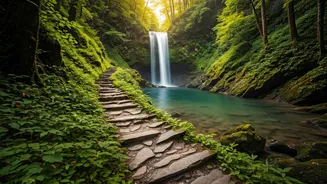
For many, rain on vacation is a negative. In Southern India, it’s the main event. From June to September, the monsoon season transforms states like Kerala into a riot of green. The landscape becomes impossibly lush, waterfalls thunder back to life, and the air is washed clean. This is the perfect time for an Ayurvedic wellness retreat, as the moist, cool air is considered ideal for treatments. Or you can simply relax on a houseboat cruising the Keralan backwaters, watching the rain dance on the water. While you'll need a rain jacket, the temperatures are significantly lower than in the pre-monsoon months, and the scenery is arguably at its most beautiful. Plus, it's the off-season, meaning fewer crowds and better prices.
Explore the Northeast: The Undiscovered Jewel
India's Northeast, a cluster of states connected to the mainland by a narrow corridor, remains one of the country's most intriguing and least-visited regions. It's also one of its wettest and coolest. Meghalaya, whose name means 'Abode of the Clouds,' is famous for its living root bridges and receives some of the highest rainfall on Earth, keeping it cool year-round. Neighboring Sikkim, a tiny state nestled between Nepal and Bhutan, is a Himalayan wonderland of Buddhist monasteries, rhododendron forests, and pristine alpine lakes. Traveling here requires a bit more planning, but the rewards are immense: unique cultures, breathtaking landscapes, and a genuine escape from the heat and the crowds.
Master the Art of Heat-Smart Travel
Even if you travel during cooler seasons or to cooler regions, it pays to be prepared. Adopt the local rhythm: plan your sightseeing for the early morning and late afternoon. Use the hottest part of the day, from noon to 4 p.m., to relax, have a leisurely lunch, or visit an air-conditioned museum. Dress in loose, lightweight, natural fabrics like cotton and linen. Always carry a water bottle and stay hydrated—vendors selling fresh coconut water and lime soda are your best friends. A wide-brimmed hat, sunglasses, and a packable fan are non-negotiable essentials. A simple change in daily scheduling can make all the difference between a miserable slog and a magical experience.