


1. Maximize Every Ray of Light
Natural light is the single most powerful tool for making a space feel open and alive. It’s not just about aesthetics; exposure to sunlight boosts serotonin, improving your mood and energy levels. If you’re blessed with big windows, don’t block them with heavy
drapes. Opt for sheer, light-filtering curtains that offer privacy without sacrificing brightness. For rooms with less natural light, strategic use of mirrors is a classic and effective trick. Placing a large mirror directly opposite a window doubles the amount of light in the room and creates the illusion of a deeper, more expansive space. Even small decorative mirrors, when grouped together, can help bounce light into darker corners.
2. Embrace the Art of Subtraction
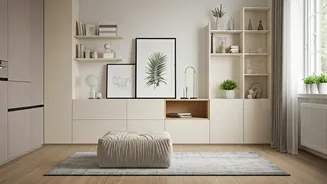
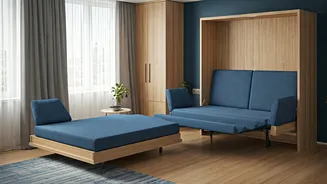
An airy room is an uncluttered room. In the tight confines of a city apartment, every object takes up precious visual real estate. This isn’t about sterile minimalism; it’s about intentionality. The goal is to give your eyes a place to rest. Start by decluttering surfaces: coffee tables, kitchen counters, and nightstands. Find a home for everything, utilizing clever storage solutions like ottomans with hidden compartments or under-bed drawers. The principle of 'one in, one out' can help maintain this balance long-term. By curating what you display, you allow the room itself—and the people in it—to breathe.
3. Draw the Eye Upward
Most people focus on a room’s floor plan, but vertical space is a secret weapon for creating an airy feel. When you encourage the gaze to travel upward, you create an impression of height and volume, even in a room with standard eight-foot ceilings. Hang your curtain rods a few inches higher and wider than the window frame to make windows appear larger. Choose tall, slender furniture like étagères or floor lamps. Even painting your ceiling a shade lighter than your walls can subtly lift the room. This vertical thinking tricks the brain into perceiving the space as grander and less compressed.
4. Use a Light and Cohesive Palette
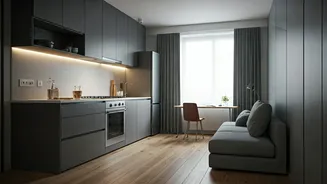
Color has a profound psychological impact on our perception of space. Dark, warm colors tend to advance, making a room feel cozier but also smaller. Light, cool colors—like soft blues, gentle grays, and pale greens—recede, which makes walls feel farther away. For the most open feel, stick to a cohesive palette of two or three light hues. Painting the walls, trim, and even large furniture pieces in similar light tones blurs the boundaries of the room, creating a seamless, expansive effect. You can still add pops of color with smaller accents like pillows, art, or a vibrant rug, which will stand out beautifully against the calm, airy backdrop.
5. Go Big (But Fewer)
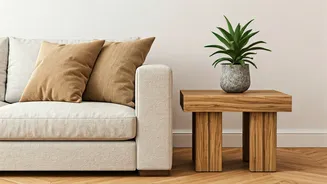
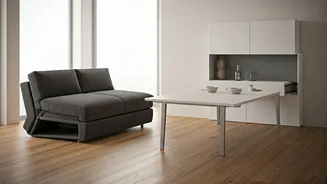
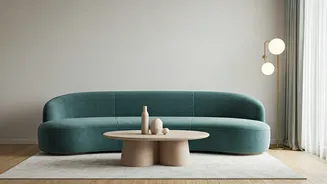
It sounds counterintuitive, but furnishing a small room with lots of small furniture can make it feel more cluttered and chaotic than using a few larger, well-chosen pieces. A tiny sofa, a tiny coffee table, and a tiny chair chop up the space. Instead, consider a properly scaled sofa (one that fills a wall without overwhelming it) and a single, larger coffee table. This 'less is more' approach creates cleaner lines and a more serene, unified look. Choose furniture with exposed legs—like a mid-century modern-style couch or console—which allows you to see the floor underneath, further enhancing the sense of openness.
6. Bring the Outdoors In
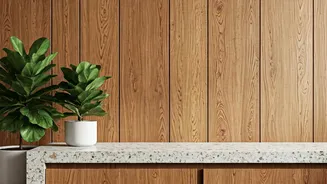
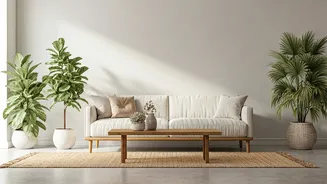
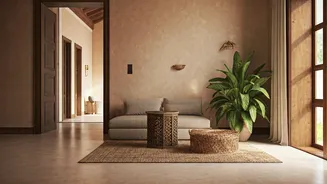
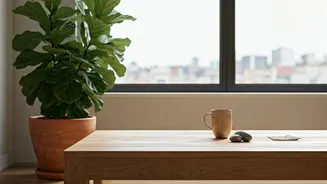
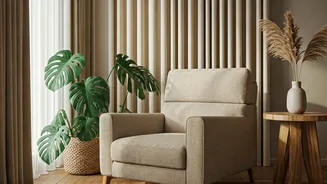
An airy room feels fresh and connected to the world outside. The easiest way to achieve this is with plants. Greenery not only purifies the air but also brings life, texture, and a touch of the natural world into a sterile urban box. This concept, known as biophilic design, is linked to reduced stress and increased well-being. You don’t need an indoor jungle. A few well-placed plants, like a tall fiddle-leaf fig in a corner or a trailing pothos on a high shelf, can make a significant difference. They add a layer of organic complexity that prevents a light-colored, uncluttered room from feeling cold or empty.