




The New Wellness Pantry Staples
First, let's get the terms straight. 'Functional foods' are simply ingredients that offer health benefits beyond basic nutrition. And right now, the stars of this category hail from the Indian subcontinent. Turmeric, the vibrant yellow spice, is the undeniable
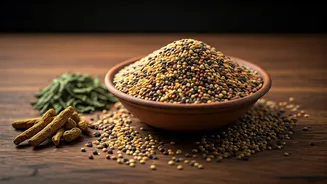
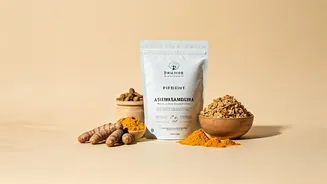
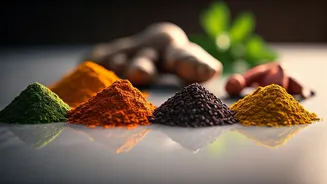
headliner. For centuries a staple in Indian cooking and Ayurvedic medicine for its anti-inflammatory properties, it’s now the hero ingredient in everything from lattes and smoothies to face masks. Then there’s ashwagandha, an adaptogenic herb traditionally used to combat stress and improve vitality. Once confined to specialty health stores, it’s now a common add-in at smoothie bars and a key ingredient in 'calming' chocolates and teas. Other players joining the mainstream roster include amla (Indian gooseberry), a vitamin C powerhouse, and ghee, a clarified butter prized for its rich flavor and high smoke point that is now being marketed as a paleo-friendly alternative to butter and oil.
From Ancient Ritual to Instagram Trend
This isn't a discovery; it's a re-packaging. In India, many of these ingredients are pillars of both the kitchen and the medicine cabinet, deeply woven into the fabric of daily life and the ancient wellness system of Ayurveda. Turmeric isn't just a supplement; it's in nearly every dal and curry, and a key part of 'haldi doodh' (turmeric milk), a comforting home remedy for colds and inflammation given to children for generations. Ashwagandha isn't a trendy powder; it's a respected medicinal plant with a long history of use. The 'glow-up' happens in the translation. The Western wellness industry has extracted these ingredients from their original context, stripping them down to their most marketable function—stress relief, anti-inflammation, a 'natural' boost—and presenting them in sleek, minimalist packaging with a premium price tag. The complex, holistic system of Ayurveda is often simplified into a single, Instagrammable product.
The Business of the Glow-Up
This transformation is big business. The global market for functional foods is booming, and these Indian ingredients are a significant driver of that growth. What began with small, wellness-focused brands has exploded into the mainstream. You can find ashwagandha gummies at major pharmacies and turmeric-infused drinks in the refrigerated section of your local supermarket. This commercialization has also created an opportunity for a new wave of South Asian American entrepreneurs. Founders of brands like Diaspora Co. and Fable & Mane are working to reclaim the narrative, focusing on ethical sourcing, authentic storytelling, and celebrating the cultural richness behind the ingredients. They’re challenging the decontextualized marketing of mainstream brands by putting the farmers, the history, and the culture front and center, ensuring the 'glow-up' benefits the communities where these traditions began.
Appreciation or Appropriation?
As with any trend that borrows from another culture, the line between appreciation and appropriation can get blurry. Is a $7 turmeric latte celebrating Indian culture, or is it profiting from a simplified, exoticized version of it? The answer often lies in context and credit. When a non-Indian brand renames 'haldi doodh' as a 'golden milk latte' and sells it without acknowledging its roots, it can feel extractive. However, when brands and consumers take the time to learn about the history, respect the traditional knowledge, and support companies that engage in equitable sourcing, the trend moves closer to genuine appreciation. The current movement is a mixed bag, but the increasing presence of South Asian voices in the wellness space is pushing the conversation in a more conscious and respectful direction.