



A World Away, Tucked in the Himalayas
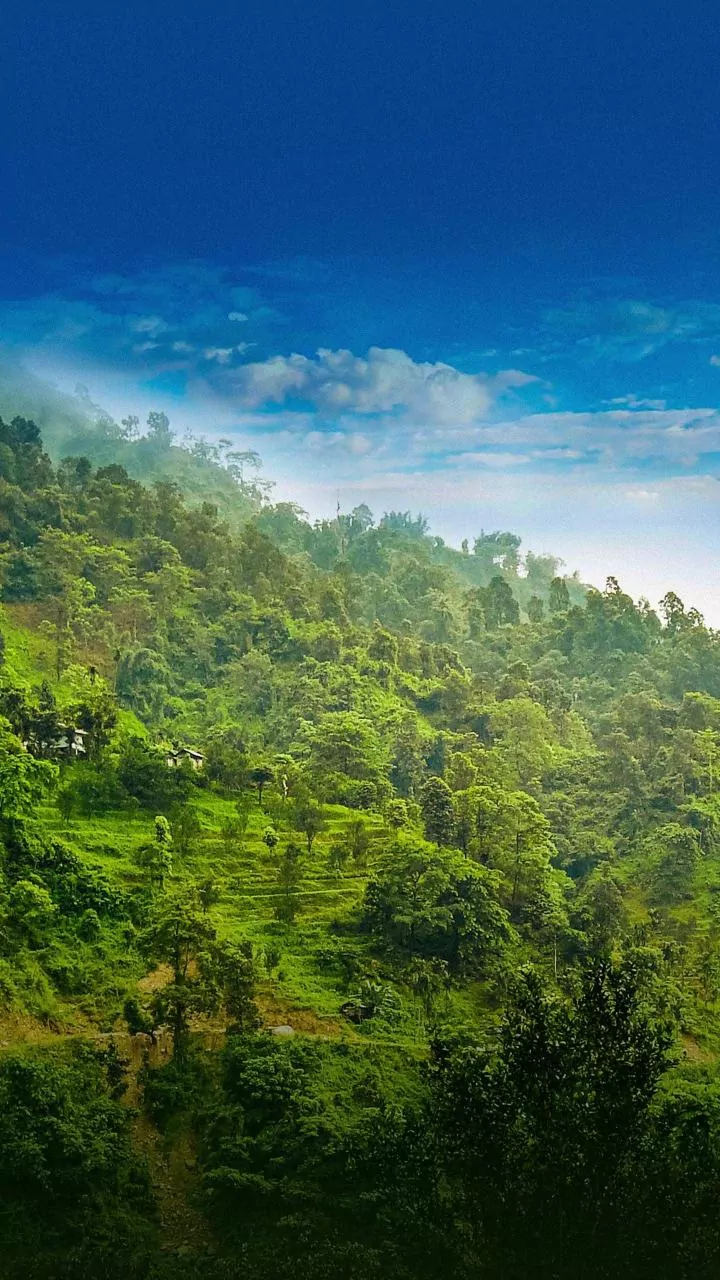
First, a quick geography lesson. Tucked away in the northern Indian state of Himachal Pradesh, Spiti Valley is a high-altitude region that borders Tibet. The name itself means “The Middle Land,” and it feels like it. This isn’t the lush, green India you
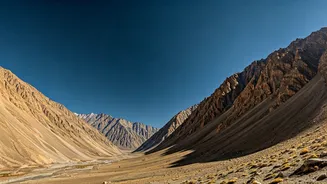
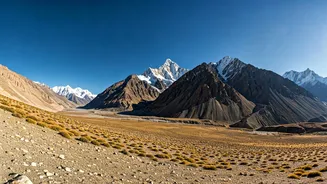
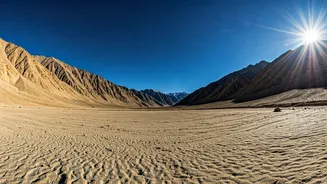
see in postcards. This is a cold desert mountain valley, a stark and stunning landscape of browns, grays, and blues painted on a massive scale. Think of the American Southwest—the vastness, the raw geology—then raise it to an average elevation of 12,500 feet and drop it in the middle of the Himalayas. The air is thin, the sun is sharp, and the silence is profound. For most of the year, heavy snowfall cuts it off from the rest of the world, preserving a culture and environment that feels utterly frozen in time.
The Magic of the June Window
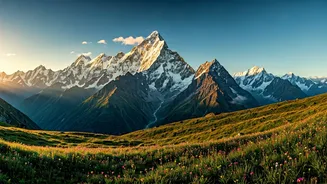
So, why June? Because that’s when the magic happens. After a long, brutal winter, the snowplows finally clear the treacherous high-mountain passes—like the legendary Rohtang and Kunzum La—that serve as Spiti’s gatekeepers. The valley, which has been in hibernation, bursts into life. June offers a perfect, fleeting window of opportunity. The brutal cold has subsided, giving way to crisp, sunny days perfect for exploring. The landscape is still raw and dramatic from the winter melt, but the roads are passable. Crucially, you’re ahead of the monsoon season that drenches much of India in July and August, which can cause landslides and make travel a nightmare. In June, you get the best of all worlds: access, comfortable (if cool) weather, and the incredible feeling of being one of the first to witness the valley awaken.
Scenery That Redefines 'Epic'
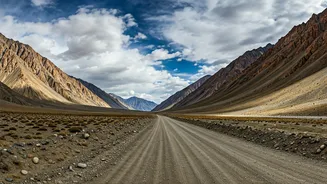
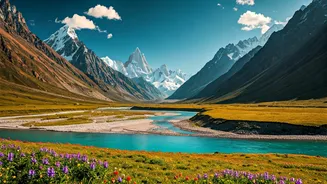
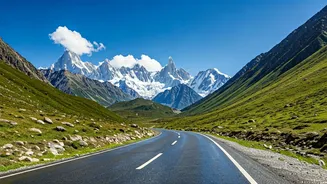
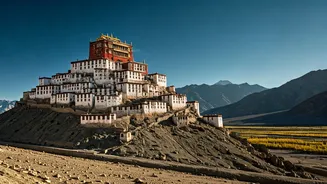
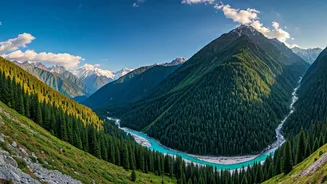
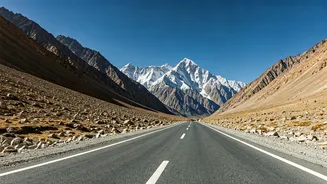
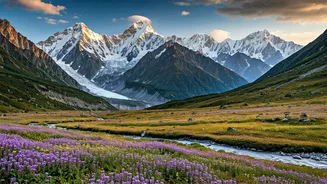
The scenery in Spiti isn't just beautiful; it's humbling. You’ll drive along roads carved into the sides of colossal cliffs, with the turquoise Spiti River carving its way through the valley floor thousands of feet below. The mountains are treeless, their barren slopes revealing every geological fold and fissure. The color palette is subtle but powerful: ochre, slate, and rust, set against a sky so intensely blue it feels artificial. Dotted within this immense landscape are villages that look like they’ve grown directly from the rock, their white-washed walls and flat roofs a striking contrast to the terrain. And then there are the monasteries. Ancient Buddhist gompas like Key Monastery seem to defy gravity, perched precariously on hilltops and cliffsides, their prayer flags sending whispers into the Himalayan wind. It’s a place that makes you feel incredibly small in the best way possible.
The 'Flex' Is the Journey Itself
Let’s be clear: getting to Spiti Valley is not for the faint of heart. This isn’t a weekend trip to Napa. The journey involves long days in a vehicle, navigating bumpy and sometimes hair-raising roads. The high altitude requires acclimatization to avoid sickness. This is where the headline’s “flex” really comes into play. The flex isn't about posting a photo from a five-star infinity pool; it's about earning your views. It's the quiet satisfaction of enduring a challenging journey to reach a place few will ever see. It’s a trip that rewards resilience, patience, and a genuine sense of adventure. It’s the kind of travel that changes you, pushing your comfort zones and rewarding you with unparalleled beauty and a deep sense of accomplishment. Telling someone you spent your vacation navigating the high passes to Spiti is a travel credential that speaks volumes.