







The Shift: From Restriction to Addition
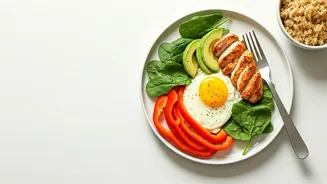
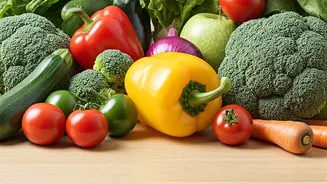
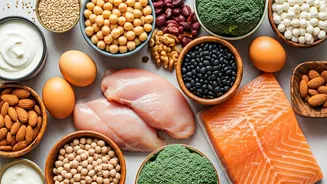
Forget the long list of 'don't eat' foods. The single most powerful, noticeable shift you can make is to focus on *adding* nutrient-dense foods to your plate, rather than obsessing over what to cut out. Specifically, this means prioritizing two things
at every meal: fiber and protein. Instead of thinking, 'I can't have that pasta,' you start thinking, 'How can I add grilled chicken and a huge handful of spinach to this?' This simple mindset change from restriction to abundance is the foundation for changes that go far beyond weight. It crowds out the less nutritious, highly processed foods naturally, without the psychological burden of deprivation. When your body is properly fueled with whole foods, the results become visible, fast.
The First Thing They'll Notice: Your Skin
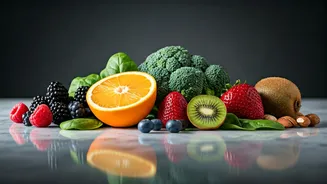
Within weeks of prioritizing whole foods rich in fiber and protein, one of the first compliments you might get is, 'Your skin looks amazing.' Highly processed foods, especially those high in sugar and refined carbohydrates, can contribute to inflammation, which often shows up as acne, dullness, or puffiness. By shifting toward whole foods like fruits, vegetables, lean proteins, and healthy fats, you're loading up on antioxidants, vitamins, and omega-3s. These compounds fight inflammation and help build strong skin cells. Furthermore, fiber-rich foods aid digestion and help your body clear out waste, which can have a direct impact on skin clarity. Better hydration from water-rich fruits and veggies also contributes to a plumper, more youthful glow that people can't help but notice.
The Energy Change Everyone Sees
The 3 p.m. slump isn't a mandatory part of the workday. That lethargy is often a direct result of a blood sugar rollercoaster, caused by a breakfast or lunch heavy on refined carbs and sugar. When you make the shift to protein- and fiber-first eating, you stabilize your blood sugar. Protein digests slowly, providing a steady release of energy, while fiber slows the absorption of sugar. The result? No more dramatic energy crashes. This change isn't just something you feel; it's something people see. You'll sit up straighter, engage more in conversations, and project an aura of vitality instead of fatigue. That consistent, stable energy is often perceived by others as confidence and positivity—a shift far more impactful than a number on the scale.
The 'You Seem Happier' Compliment
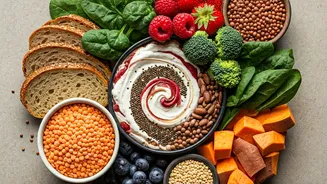
Your gut is often called your 'second brain,' and for good reason. A huge percentage of your body's serotonin, a key mood-regulating neurotransmitter, is produced in your digestive tract. A diet heavy in processed foods can disrupt your gut microbiome, while a diet rich in fiber from diverse plant sources feeds the beneficial bacteria that help regulate everything from digestion to mood. By adding more vegetables, fruits, legumes, and whole grains, you're directly investing in a healthier gut-brain axis. This often translates to a more stable, positive mood and increased mental clarity. People around you won't know it's the fiber—they'll just notice you seem less irritable, more focused, and generally happier.
The Subtle Change in How Your Clothes Fit
Long before you see significant weight loss, you'll likely notice a reduction in bloating and puffiness. Processed foods are often high in sodium and other additives that cause your body to retain water. They can also be difficult to digest, leading to uncomfortable gas and bloating. When you replace these with whole, fiber-rich foods and lean protein, two things happen. First, your sodium intake naturally drops, allowing your body to release excess water. Second, a healthier gut microbiome manages digestion more efficiently. The result is a flatter-feeling stomach and a general 'de-puffed' look. It's the kind of change that makes your favorite jeans feel more comfortable and gives you a visible confidence boost that others will pick up on.