



What Exactly Is Moringa?
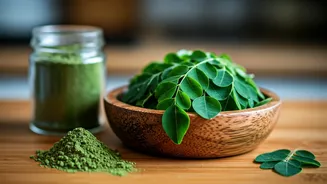
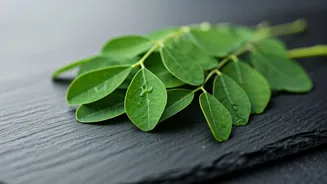
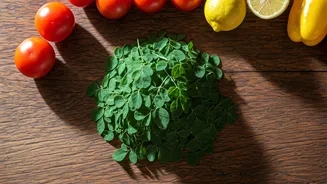
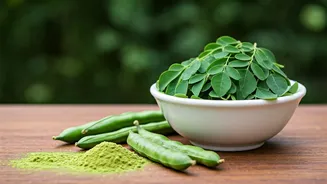
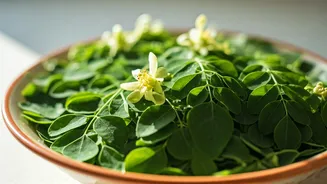
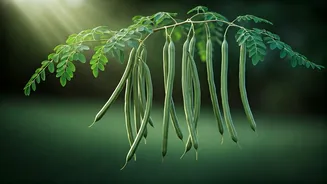
Moringa, or *Moringa oleifera*, isn't new at all; it's just new to many American pantries. Often called the "drumstick tree" for its long seed pods or the "miracle tree" for its wide-ranging uses, this fast-growing, drought-resistant tree is native to the Himalayan
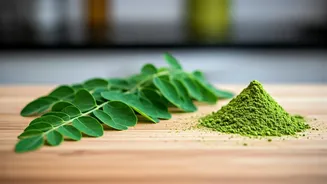
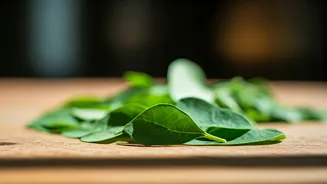
foothills in India. For centuries, its leaves, pods, flowers, and seeds have been integral components of traditional medicine systems like Ayurveda and used as a vital food source in parts of Asia and Africa. While the whole plant is edible, the part making waves in the U.S. is typically the leaf, which is dried and ground into a fine, emerald-green powder that looks a bit like matcha or spirulina.
A Look at Its Nutrient Profile
The buzz around moringa isn't just hype; it’s rooted in an impressively dense nutritional profile. The leaves are packed with vitamins and minerals. Gram for gram, moringa leaves contain a surprising amount of nutrients. They are an excellent source of vitamin C, which supports the immune system, and vitamin A, crucial for vision and skin health. It’s also rich in iron, which combats fatigue, and calcium for bone health. Furthermore, moringa is a rare plant-based source of complete protein, containing all nine essential amino acids, making it a valuable addition for vegetarians and vegans. It's also loaded with antioxidants, including quercetin and chlorogenic acid, compounds that help fight oxidative stress in the body. This combination of vitamins, minerals, protein, and antioxidants is what positions moringa as a formidable superfood.
How to Add Moringa to Your Diet
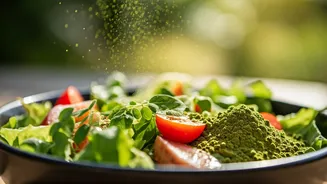
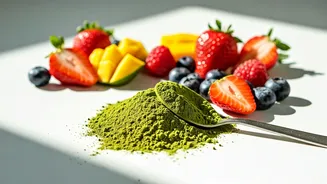
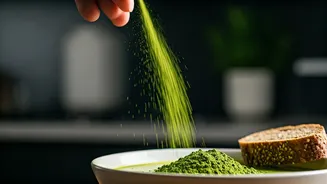
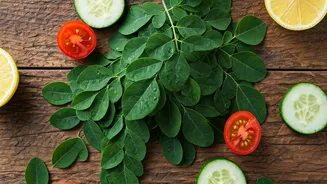
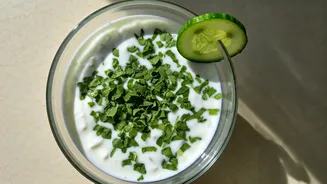
The most common question people have is what to do with the bright green powder. The answer: almost anything. Its taste is distinctly earthy and slightly bitter, similar to spinach or matcha, so it pairs well with other strong flavors. The easiest entry point is a smoothie. A teaspoon or two of moringa powder blends seamlessly into a fruit smoothie, its grassy notes often masked by banana, mango, or pineapple. You can also whisk it into hot water to make a simple tea, perhaps with a squeeze of lemon and a drizzle of honey to balance its flavor. For more adventurous cooks, moringa powder can be stirred into soups, stews, and sauces (add it near the end of cooking to preserve nutrients), sprinkled over oatmeal or yogurt, or even incorporated into baked goods like muffins and energy bars for a nutritional boost.
What to Know Before You Buy
While moringa is generally considered safe for most people, there are a few things to keep in mind. The most common form, the leaf powder, has the best safety profile. However, the root and its extracts should be avoided, as they can contain a substance that is potentially toxic. Due to its potent nature, it's wise to start with a small amount—about half a teaspoon per day—and see how your body reacts. Some people report mild digestive upset when first introducing it. Pregnant or breastfeeding women and individuals taking medications, especially for blood pressure or diabetes, should consult with their healthcare provider before adding moringa to their regimen. Finally, as with any supplement, quality matters. Look for organic, certified products from reputable brands to ensure you're getting pure moringa leaf powder without contaminants like heavy metals.