


Hemis Tsechu: The Grand Spectacle
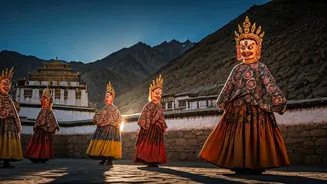
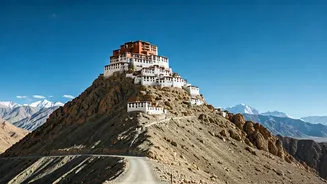
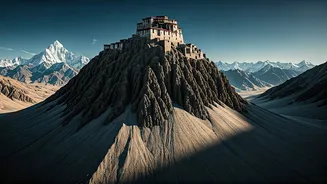
If you can only make it to one festival, this is it. Held annually at the Hemis Monastery, the largest in Ladakh, Hemis Tsechu is a two-day extravaganza celebrating the birth of Guru Padmasambhava, who introduced Tantric Buddhism to the region. The main
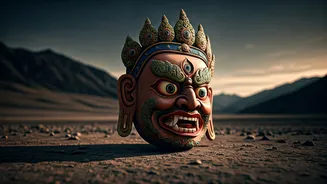
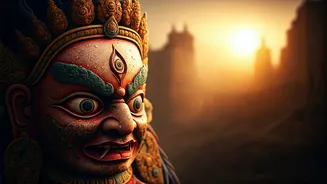
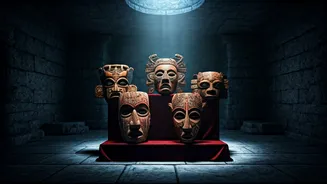
draw is the series of sacred masked dances, or 'chaam,' performed by monks in the monastery's vast courtyard. Dressed in elaborate silk costumes and dramatic masks depicting gods and demons, the dancers perform stories of good triumphing over evil. The air fills with the sounds of long horns, cymbals, and drums, creating an atmosphere that’s both hypnotic and electric. Every 12 years, the festival becomes even more significant with the unfurling of a gigantic, centuries-old thangka (a silk painting) of Guru Padmasambhava that covers several stories of the monastery wall—a truly unforgettable sight.
Losar Festival: A New Year's Welcome
Unlike the large monastic festivals, Losar is a more intimate and widespread celebration marking the Tibetan New Year. Typically occurring in February or March, it transforms the entire region. While there are ceremonies at major monasteries, the real magic of Losar happens in Ladakhi homes. Families deep-clean their houses to banish evil spirits, decorate their kitchens with auspicious symbols, and prepare special foods like guthuk (a noodle soup). The first few days are for family, but the celebrations soon spill into the streets with feasting, dancing, and visiting neighbors. For a traveler, it’s a unique opportunity to witness local life and hospitality, offering a much more personal glimpse into Ladakhi culture than the more performance-oriented festivals.
Matho Nagrang: The Mystical Oracles
For the truly intrepid seeker, Matho Nagrang offers an experience that is intense, raw, and deeply spiritual. Held at Matho Monastery, this festival is famous for its two oracles. Two monks, chosen every two years, enter a long period of solitary meditation to purify themselves and become vessels for spirits known as 'Rongtsan.' During the festival, they enter a trance-like state and perform incredible feats, like running along the high monastery ramparts blindfolded or cutting themselves with swords without injury. Villagers and pilgrims flock to them to receive blessings and have their futures told. It's a powerful and sometimes unsettling display of faith that feels worlds away from a choreographed performance, offering a rare look into the mystical side of Tibetan Buddhism.
Dosmoche: Chasing Away the Old Year's Ghosts
Celebrated at the start of the year in Leh, Likir, and Diskit monasteries, Dosmoche is a festival of purification. Its purpose is to collectively cleanse the town of evil spirits and negative energy from the previous year to ensure a prosperous new one. Monks create intricate thread-cross effigies, known as 'dosmo,' which are believed to trap these malevolent forces. After days of rituals and masked dances, the festival culminates in a dramatic procession where the dosmo are carried out of the city and ceremoniously burned or destroyed, symbolizing the vanquishing of evil. The energy is one of collective release and renewal, making it a fascinating cultural bookend to the new year.
Know Before You Go: A Traveler's Guide
Attending a Ladakhi festival requires some planning. First and foremost, acclimatize. Ladakh's high altitude (Leh is at 11,500 feet) requires you to take it easy for the first 48 hours to avoid altitude sickness. Festival dates are based on the Tibetan lunar calendar and can shift, so always confirm them with a reliable local tour operator before booking flights. When you attend, dress modestly and respectfully. Remember that these are sacred religious events, not tourist shows. Ask for permission before taking close-up photos of monks or participants. Finally, book accommodations well in advance, especially for popular festivals like Hemis, as the entire region fills up with both tourists and pilgrims.