





More Than Just Salads
Let’s get one thing out of the way: we’re not talking about a sad plate of lettuce. The world of elite athletics is increasingly powered by plants, debunking the stubborn myth that peak performance requires animal protein. Tennis icon Venus Williams adopted
a raw vegan diet to manage an autoimmune disease and continued competing at the highest level. Ultramarathoner Scott Jurek, a legend in one of the world's most grueling sports, has been vegan for decades, crediting his diet for endurance and rapid recovery. These aren't isolated cases; they are pioneers in a movement that sees food as holistic fuel. The rise of the plant bowl isn't about deprivation; it's about strategic, nutrient-dense eating that supports the intense demands of training, competition, and recovery without the inflammatory side effects sometimes associated with heavy, meat-centric diets.
The Performance Equation
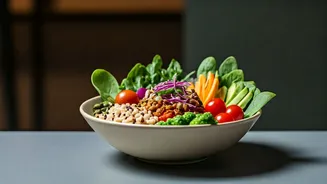
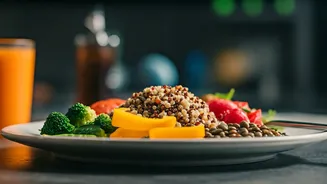
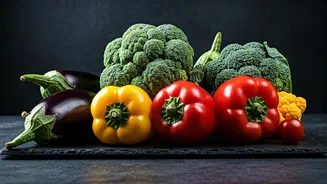
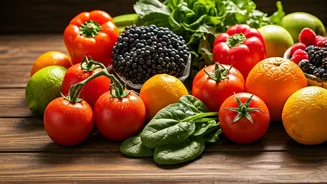
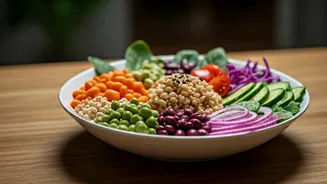
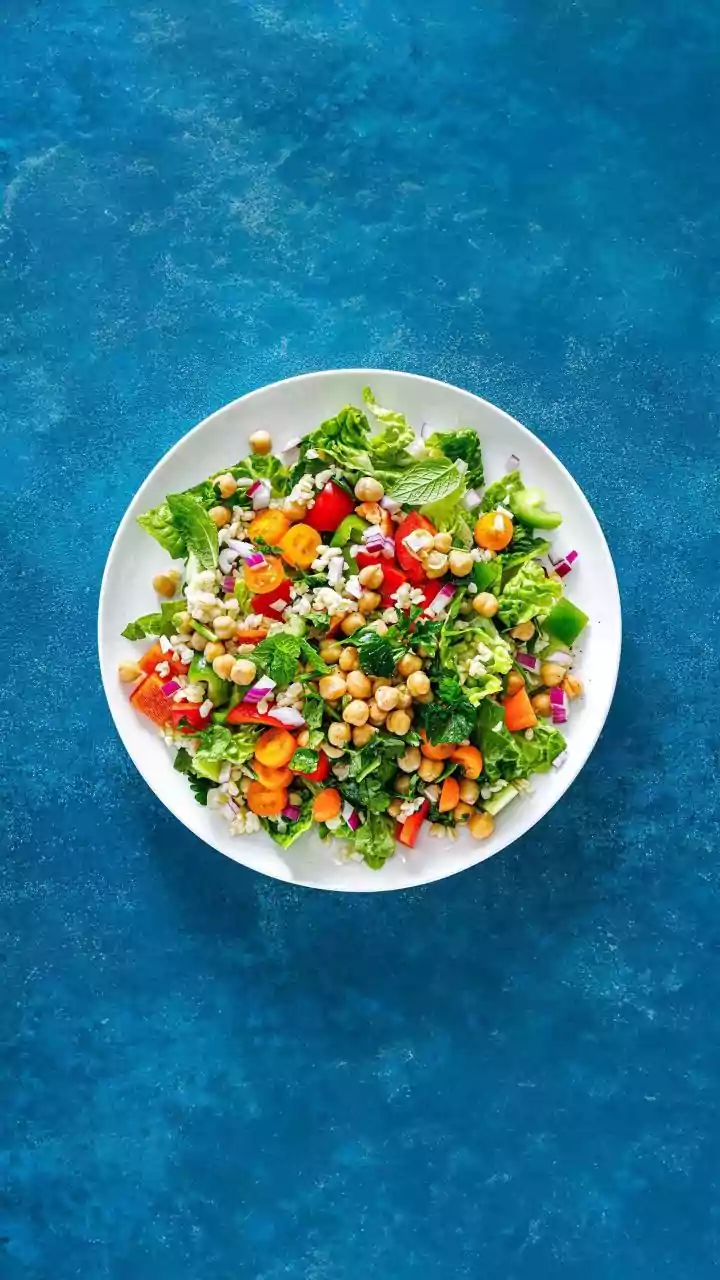
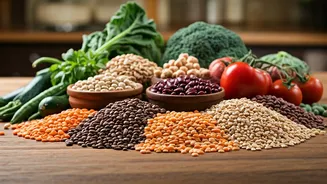
So, what’s in these bowls that makes them so effective? It’s a masterclass in macronutrient architecture. A well-built performance bowl is a balanced ecosystem of complex carbohydrates, healthy fats, and complete proteins. It starts with a base of whole grains like quinoa or brown rice for sustained energy release. Next comes the protein—not from an animal, but from sources like chickpeas, lentils, black beans, tofu, or tempeh, which provide the essential amino acids for muscle repair and growth. Healthy fats from avocado, nuts, and seeds help with nutrient absorption and reduce inflammation. Finally, a rainbow of vegetables is piled on, delivering a crucial payload of vitamins, minerals, and antioxidants that help the body combat oxidative stress from intense exercise. This isn't just fuel; it's high-performance, system-wide support in a single serving.
Unpacking the 'Ethical' Plate
This is where the trend transcends simple nutrition and becomes a statement. The “ethics” in a plant bowl are twofold. First, there’s the environmental argument. Industrial animal agriculture is a massive contributor to greenhouse gas emissions, deforestation, and water consumption. Choosing a bowl of lentils and quinoa over a beef burger drastically reduces an individual’s carbon and water footprint. For athletes and consumers who are increasingly conscious of their impact on the planet, this is a powerful motivator. The second ethical dimension is animal welfare. For a growing number of people, the conditions of factory farming are morally untenable. A plant-based meal is a direct way to opt out of that system. This choice aligns personal values with daily habits, turning a simple meal into an act of conscious consumption. It’s fueling your body while honoring your principles.
Why the Bowl Reigns Supreme
The bowl format itself is a key part of the appeal. It’s not just a container; it’s a canvas. Bowls are endlessly customizable, allowing athletes to tailor their meals to specific training needs—more carbs for endurance, more protein for strength, more anti-inflammatory greens for recovery. They are also inherently designed for whole foods; it’s hard to make a processed, unhealthy bowl. The format encourages a mix of textures and flavors that is satisfying and visually appealing—a major factor in sticking with any dietary approach. Furthermore, bowls are practical. They are easy to prep, portable, and deliver a complete, balanced meal without the need for multiple side dishes. This convenience makes it easier for anyone, from a pro athlete to a weekend warrior, to integrate high-performance, ethical eating into a busy life.