




The New Urban Oasis
Forget sprawling backyards. In India's densely populated cities, the modern garden is vertical, compact, and incredibly productive. What might look like a simple hobby is actually a significant lifestyle shift for many urban dwellers. In apartments where
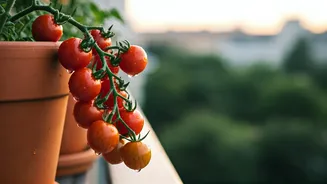
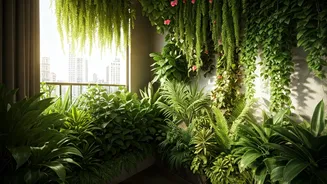
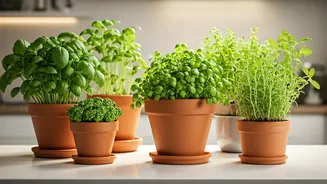
every square foot is precious, residents are transforming small spaces into miniature farms. Balconies are being draped in climbing spinach, windowsills are lined with pots of cherry tomatoes and mint, and compact hydroponic systems hum quietly in kitchen corners. This isn't just about aesthetics; it's a practical and passionate response to the realities of modern city living. It represents a desire to reclaim a connection to food and nature amidst the concrete and chaos of metropolises like Bangalore, Mumbai, and Pune.
A Hunger for Healthy and Safe Food
One of the most powerful drivers of this trend is a growing concern over food safety. For years, Indian consumers have worried about the high levels of pesticides and chemical ripening agents used on commercially grown produce. The journey from a rural farm to a city market can be long, and freshness is often compromised. For a rising class of health-conscious urbanites, growing their own food is the ultimate quality control. A homegrown salad isn't just fresher; it's a symbol of trust. It provides peace of mind that the lettuce, cucumbers, and herbs on their plate are free from harmful chemicals. This movement accelerated during the pandemic, when supply chain disruptions and a heightened focus on immunity made the idea of a self-sufficient food source more appealing than ever.
Ingenuity in Every Inch
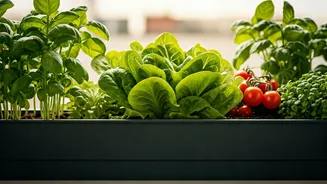
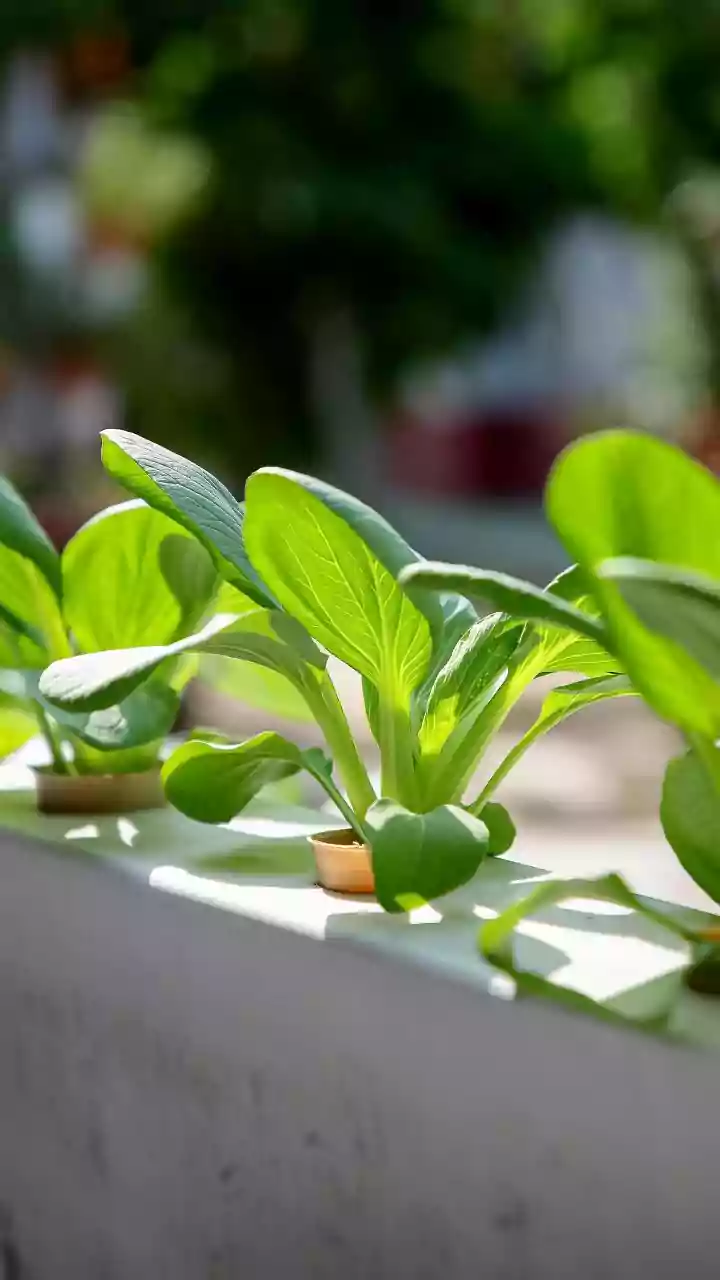
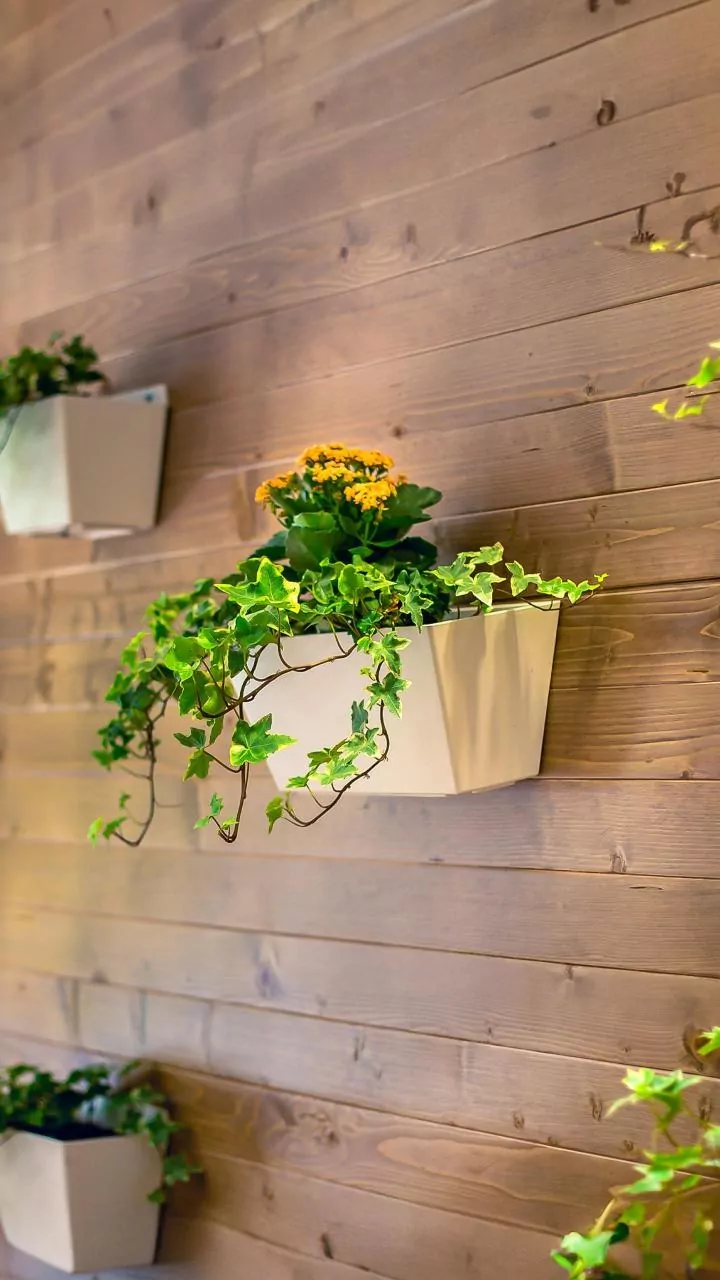
The “tiny homes” in the headline are, for the most part, the compact apartments that define India’s urban landscape. The challenge of limited space has sparked remarkable creativity. Vertical gardening has become a favorite solution, with stacked planters and wall-mounted panels allowing people to grow dozens of plants in a footprint of just a few square feet. DIY and commercially available hydroponic kits, which grow plants in nutrient-rich water without soil, are also gaining popularity. These systems are clean, efficient, and perfect for indoor cultivation. People are growing an impressive variety: from common salad greens like lettuce and arugula to more exotic herbs, bell peppers, and even strawberries. It's a testament to human ingenuity—if you can't have a garden plot, you create one on a wall or in a water-filled tube.
The Social Media Greenhouse Effect
This green revolution is being amplified and guided by the internet. Instagram feeds are filled with proud urban gardeners showcasing their balcony bounty under hashtags like #UrbanGardeningIndia and #GrowYourOwn. YouTube tutorials offer step-by-step instructions for everything from making compost in an apartment to setting up a beginner's hydroponic system. This digital ecosystem has created a community of support, where novices can learn from experienced growers and share their own successes and failures. Furthermore, a wave of agri-tech startups has emerged to cater to this new market, selling everything from organic seeds and specialized soil mixes to all-in-one home gardening kits delivered right to the door. They've made it easier than ever for someone with no prior experience to start their own mini-farm.