


Reds for Heart and Cell Health
Think of red foods as the guardians of your cells. This group is rich in phytochemicals like lycopene and anthocyanins. Lycopene, famously found in tomatoes, is a powerful antioxidant linked to a reduced risk of certain cancers, particularly prostate
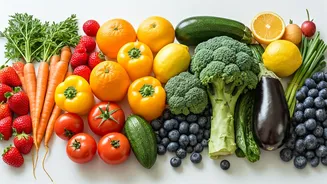
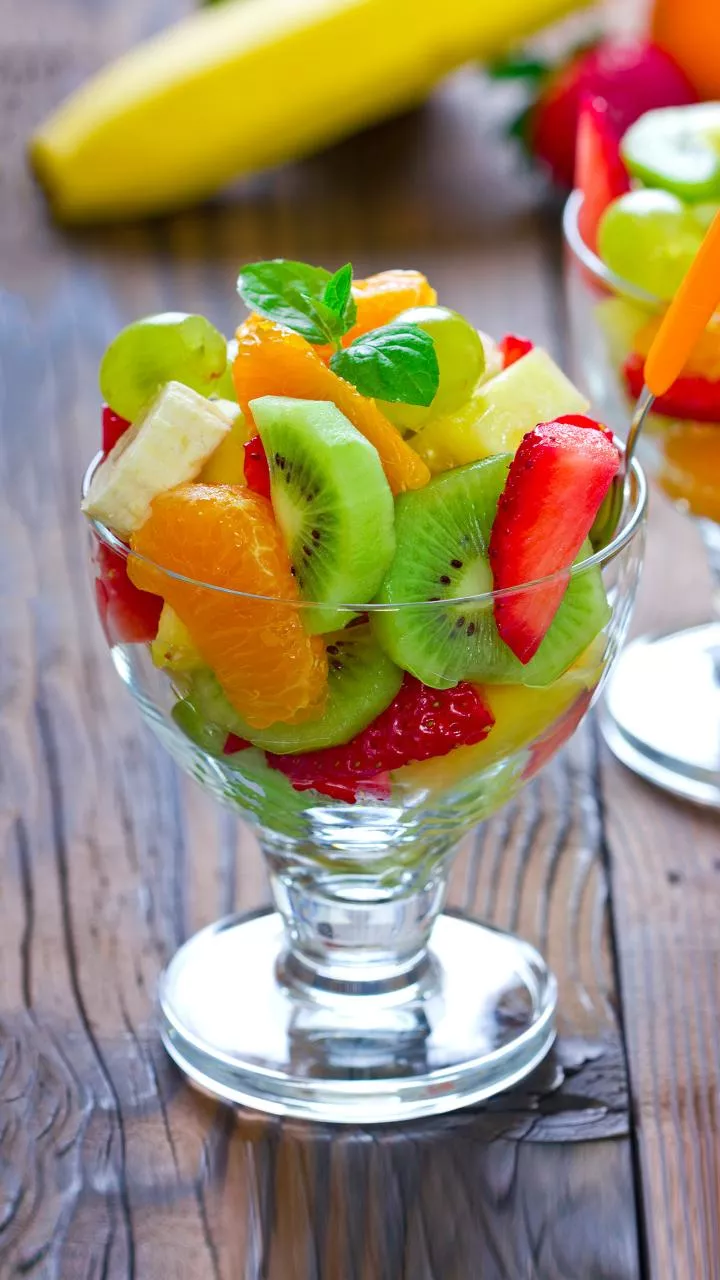
cancer, and is a champion for heart health. Anthocyanins, which give berries their ruby hue, help fight inflammation and support healthy aging. Don't think you have to eat exotic, expensive foods to get these benefits; staples like tomatoes (especially cooked), watermelon, red bell peppers, strawberries, and raspberries are all fantastic sources. Even a simple marinara sauce can be a powerful dose of red.
Oranges and Yellows for Vision and Immunity
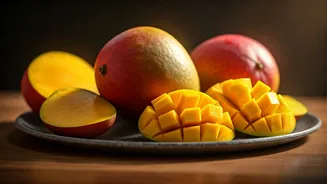
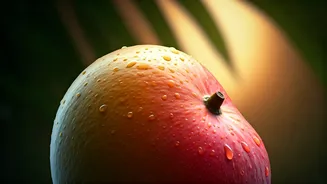
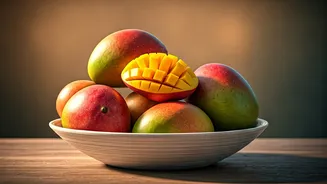
The bright, sunny hues of orange and yellow foods signal the presence of carotenoids, such as beta-carotene. Your body converts beta-carotene into vitamin A, a crucial nutrient for maintaining sharp vision, supporting a robust immune system, and promoting healthy skin. These compounds are potent antioxidants that help protect your cells from damage. When you’re reaching for this color group, think of carrots, sweet potatoes, pumpkins, and butternut squash. For a quicker fix, citrus fruits like oranges and lemons, along with yellow bell peppers, mangoes, and cantaloupe, provide a powerful dose of both carotenoids and vitamin C, another immune-boosting superstar.
Greens for Detox and Defence
We’ve all been told to eat our greens, and for good reason. Green vegetables are nutritional powerhouses. The color comes from chlorophyll, but they are also packed with compounds like lutein, zeaxanthin, and folate. Lutein and zeaxanthin are famous for protecting our eyes from harmful light and reducing the risk of age-related macular degeneration. Leafy greens like spinach, kale, and collard greens are also excellent sources of folate, which is vital for cell repair and growth. Cruciferous vegetables like broccoli, Brussels sprouts, and cabbage contain sulforaphane, a compound studied for its powerful anti-cancer properties. From a simple side salad to a green smoothie, incorporating these foods is one of the best things you can do for your health.
Blues and Purples for Brain and Longevity
The deep, rich colours of blue and purple foods are a sign they are bursting with anthocyanins—the same antioxidants found in red foods, but in different concentrations and combinations. These compounds are particularly known for their brain-boosting benefits, helping to enhance memory and cognitive function while fighting the effects of aging on the brain. They also contribute to heart health by helping to lower blood pressure and improve cholesterol levels. Look for blueberries, blackberries, purple grapes, plums, eggplant, and even purple cabbage. These foods are a delicious way to support long-term brain health and protect your body from oxidative stress.
Whites and Browns for Gut and Circulation
Often overlooked in the rainbow, white and brown produce provides unique and essential health benefits. This group contains a range of powerful compounds, including allicin (found in garlic) and quercetin (found in onions). Allicin has potent antibacterial and antiviral properties and is great for cardiovascular health. Quercetin is a powerful anti-inflammatory. Foods like mushrooms, cauliflower, onions, garlic, and parsnips are part of this family. Many, like bananas and mushrooms, are also good sources of potassium, which helps regulate blood pressure. Don't discount these pale-hued foods; they are critical components of a well-rounded, colorful diet.