


A City Defined by its Snacks
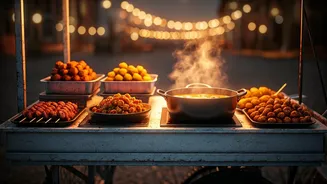
To understand Kolkata is to understand its street food. For generations, the city’s culinary identity has been shaped by what’s sold on its footpaths. The undisputed king is chaat, but not the kind you might find elsewhere in India. Kolkata’s signature
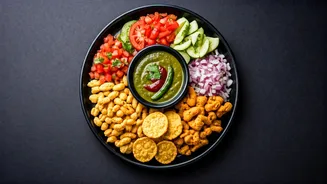
is the *puchka* (also known as *pani puri*), a delicate, hollow crisp filled with a spicy potato mash and plunged into tangy tamarind water. It’s an explosion of flavor that’s light, sharp, and designed for quick consumption before it gets soggy in the humidity. Then there’s *jhalmuri*, a puffed rice salad tossed with mustard oil, chopped onions, chilies, and spices—a dry, crunchy snack that’s as portable as it is addictive. These foods are the taste of Bengali afternoons, inseparable from the city’s culture.
The Hearty Northern Newcomers
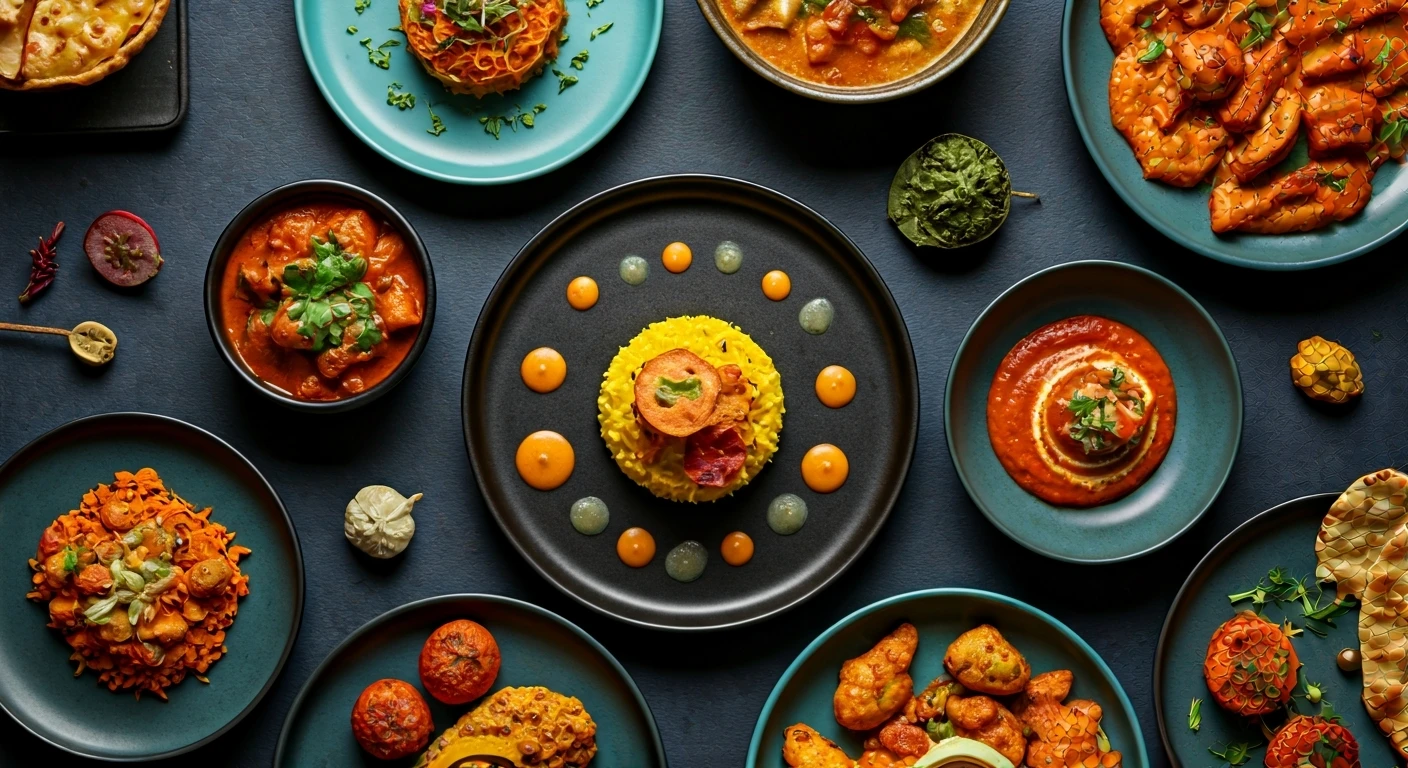
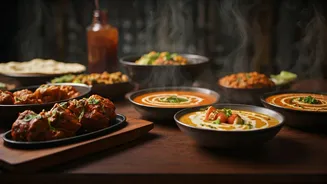
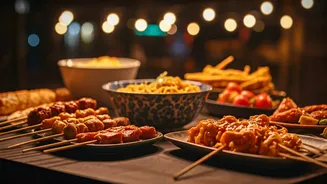
Now, picture something entirely different. A fluffy, deep-fried bread called *bhature*, served alongside a rich, spiced chickpea curry known as *chole*. Or *rajma chawal*, a comforting bowl of kidney beans in a thick tomato-based gravy served over rice. These are staples of North Indian comfort food—hearty, substantial meals often associated with the colder climate of Delhi or Punjab. Traditionally, they're the antithesis of Kolkata’s light, summery street fare. Yet, stroll through parts of Kolkata like the bustling business district of Dalhousie or the residential lanes of Bhawanipore today, and you’ll find vendors doing a roaring trade in exactly these dishes. They're no longer confined to formal restaurants; they've hit the streets.
A Delicious Culture Clash
The contrast is about more than just weight; it’s a collision of flavor philosophies. Traditional Bengali chaat leans heavily on the sharp, pungent kick of mustard oil and the sweet-sour punch of tamarind. It’s designed to awaken the palate in the sweltering heat. North Indian street food, by contrast, often builds its flavor on a base of onion, garlic, ginger, and garam masala, with richness coming from ghee, cream, or slow-cooked legumes. The rise of dishes like *chole bhature* represents a shift in the city’s public palate. It’s not about replacing the beloved *puchka* but adding a new, more filling option to the street-side menu. It’s the difference between a quick, refreshing snack and a satisfying, affordable meal you can eat standing up.
Why Now? And Why in Summer?
So why is this happening now? Part of the answer lies in the changing face of urban India. Kolkata, like other major Indian cities, is a melting pot. Decades of internal migration mean there's a large population of residents with roots in North India who crave a taste of home. But the trend’s growth goes beyond that. Younger generations of Bengalis are more gastronomically adventurous, their palates shaped by travel and national media. As for the summer paradox—why eat such a heavy dish in oppressive heat? The answer is utility. A plate of *chole bhature* or *rajma chawal* from a street vendor is a full, inexpensive lunch. For office workers and students on a budget, it’s a practical and deeply satisfying alternative to a formal meal, offering more sustenance than a handful of puffed rice. It's comfort food's universal appeal winning out over the weather forecast.