


The Great Indian Fry-Up, Reimagined
To understand the air fryer’s appeal, you first have to appreciate the glorious, central role of deep-fried food in Indian culture. From crispy, golden samosas and savory pakoras to fluffy vadas and sweet jalebis, fried snacks aren't just food; they are a currency
of hospitality, celebration, and comfort. They’re the centerpiece of afternoon chai, the star of rainy-day cravings, and a mandatory offering for guests. For generations, the sizzle of dough hitting hot oil has been the sound of love and abundance in an Indian home. But this tradition comes with trade-offs: it’s time-consuming, messy, and requires a significant amount of oil, a growing concern for a new generation.
Health Meets Hectic Lifestyles
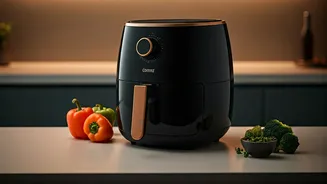
Here's where the air fryer enters the picture, not as a replacement for tradition, but as an elegant solution to a modern dilemma. Across India and its global diaspora, there's a rising tide of health consciousness. People want to enjoy the flavors they grew up with, but without the guilt or the calories associated with deep-frying. The air fryer offers a tantalizing promise: the same beloved crunch of a pakora or the perfectly cooked shell of a samosa, but with up to 80% less oil. It’s a guilt-free pass to indulge in nostalgia. This health benefit is compounded by pure convenience. For busy, dual-income families, the laborious process of heating a large kadai of oil for a small batch of snacks is impractical. An air fryer is fast, contained, and requires minimal cleanup, making it a perfect fit for a modern, fast-paced life.
More Than Just Samosas
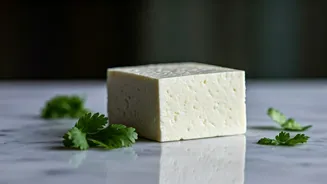
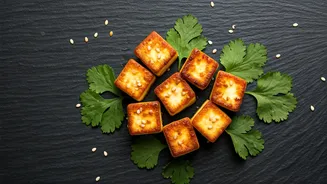
While recreating classic fried snacks is the gateway, the air fryer’s staying power in the Indian kitchen comes from its surprising versatility. It’s not a one-trick pony. Home cooks are discovering it’s a brilliant tool for everyday meal prep. It can roast cubes of paneer or vegetables to perfection before they go into a curry, achieving a slight char without the need for a pan. It's an excellent shortcut to making tandoori-style dishes like chicken or cauliflower tikka, mimicking the dry, high heat of a traditional clay oven. Even reheating leftovers becomes a revelation—a day-old samosa, often soggy from the microwave, emerges from the air fryer basket as crisp and fresh as the moment it was first made. This adaptability makes it less of a novelty gadget and more of a daily workhorse.
The Ultimate Modern Status Symbol
This brings us to the “flex.” In any culture, the adoption of new technology is often tied to social aspiration. Just as the microwave oven became a symbol of the modern American home in the 1980s, the sleek, countertop air fryer is becoming a subtle status symbol in contemporary Indian households. To own one signals that you are health-conscious, modern, and have the disposable income for cutting-edge appliances. It’s a conversation piece when guests come over. On Instagram and in family WhatsApp groups, photos are shared not just of the food, but of the appliance itself. It says, “We honor our culinary heritage, but we are embracing the future.” The headline’s “2026” is less a specific date and more a recognition of this trajectory—the air fryer is on its way to becoming an indispensable, and admired, part of the modern Indian kitchen.