


The Paradox of the Parched Earth
In the months of April and May, Gujarat’s Gir National Park becomes a study in survival. The land is baked, the foliage is sparse, and the rivers have dwindled to trickles and pools. It might not sound like an ideal travel pitch, but for wildlife lovers,
this harsh environment creates an unparalleled opportunity. The scarcity of water acts as a natural magnet. Animals that are usually dispersed across the park’s vast 545 square miles are forced to congregate around the few remaining waterholes. This is the secret of the pre-monsoon safari: the predictable movements of thirsty animals drastically increase your chances of a sighting. While the landscape is dusty and the heat intense, the payoff is a front-row seat to the daily drama of the forest, stripped of its dense, leafy cover. You aren’t just looking for animals; you’re watching them follow ancient, life-sustaining routines dictated by the coming change of season.
A Conservation Story Roars to Life
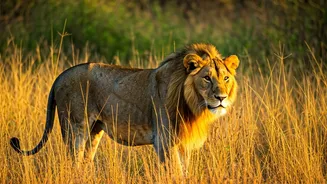
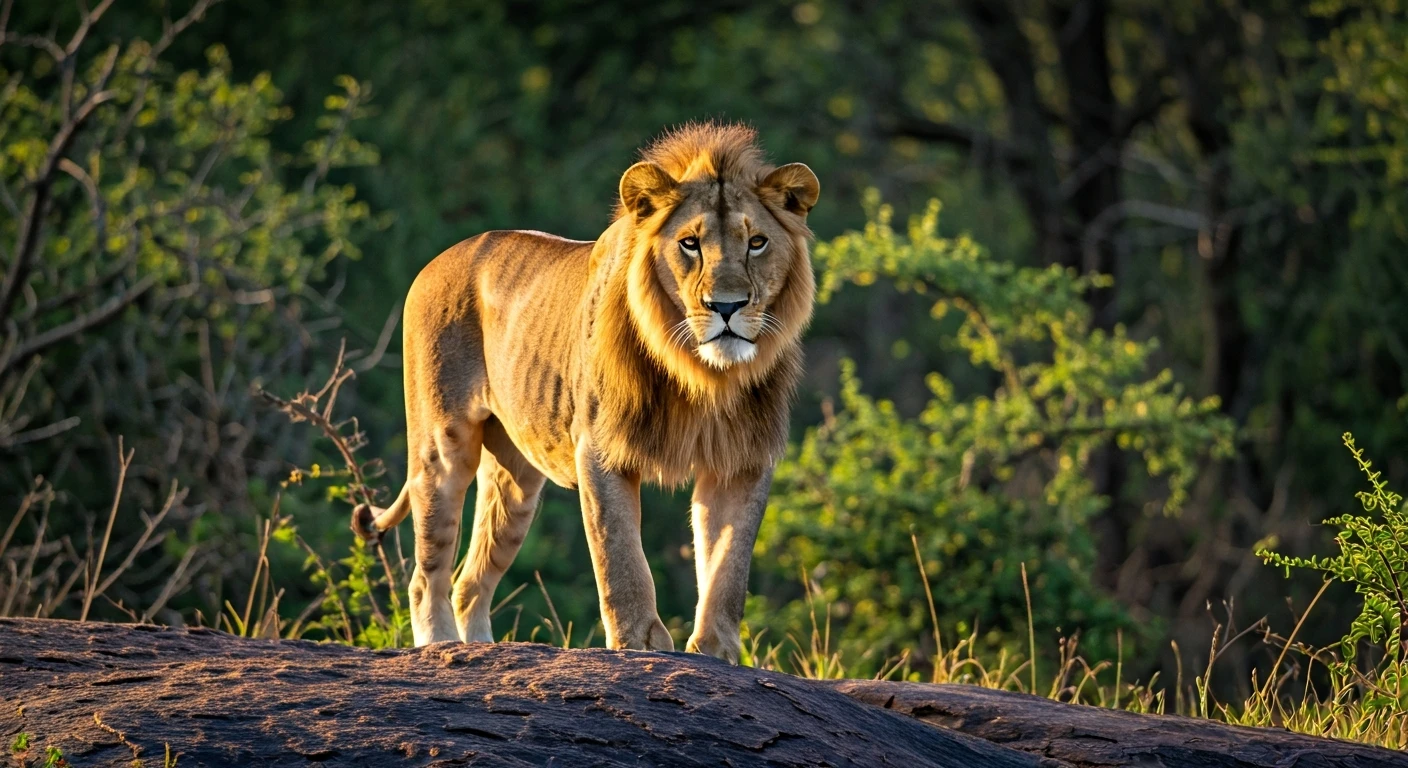
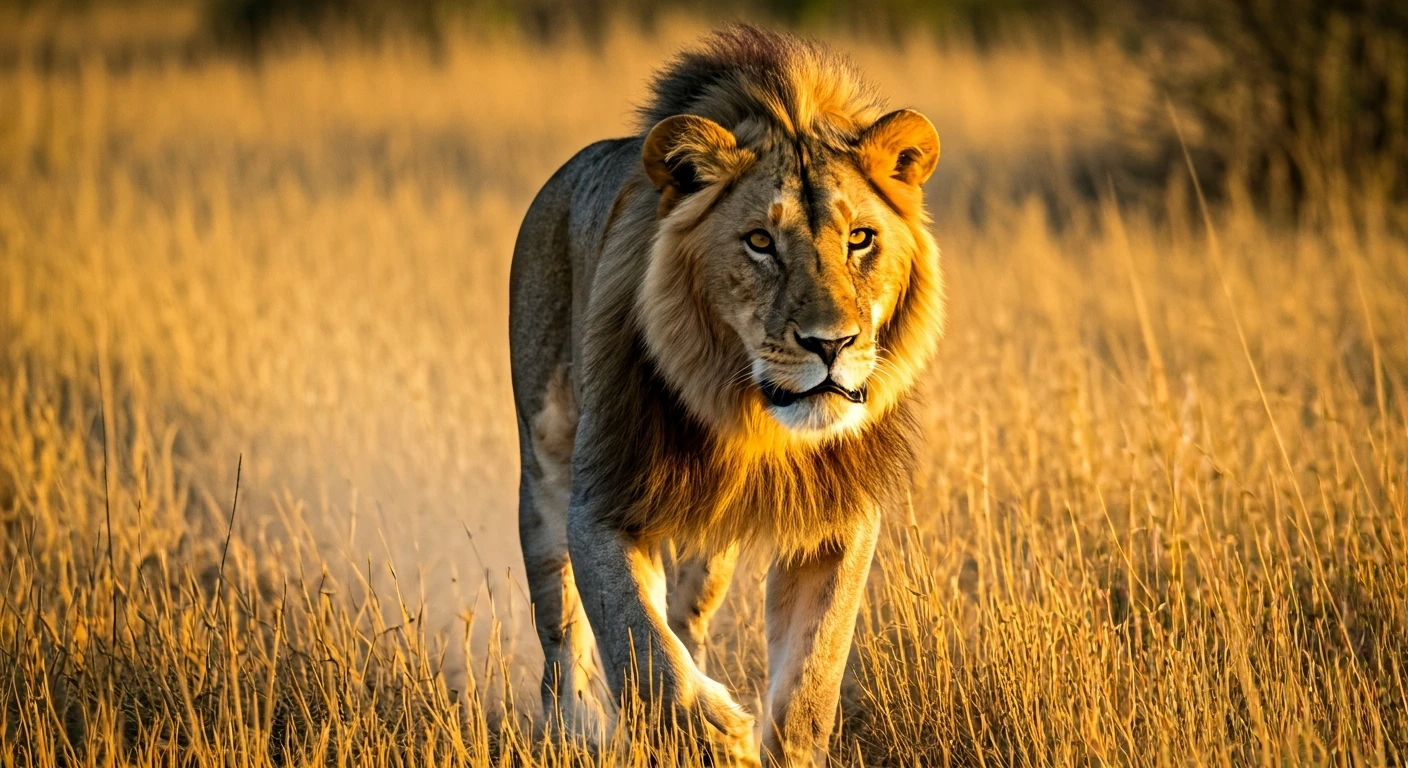
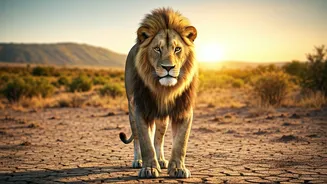
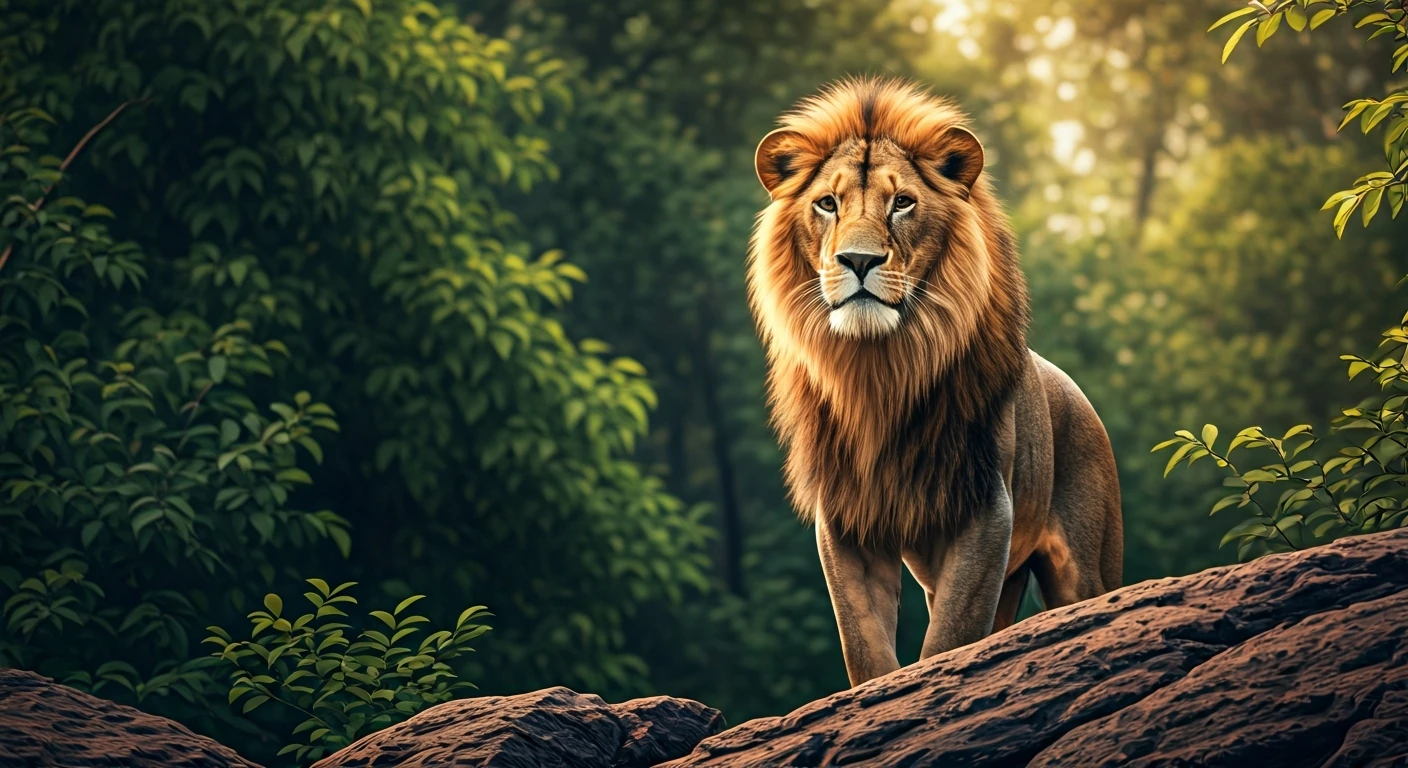
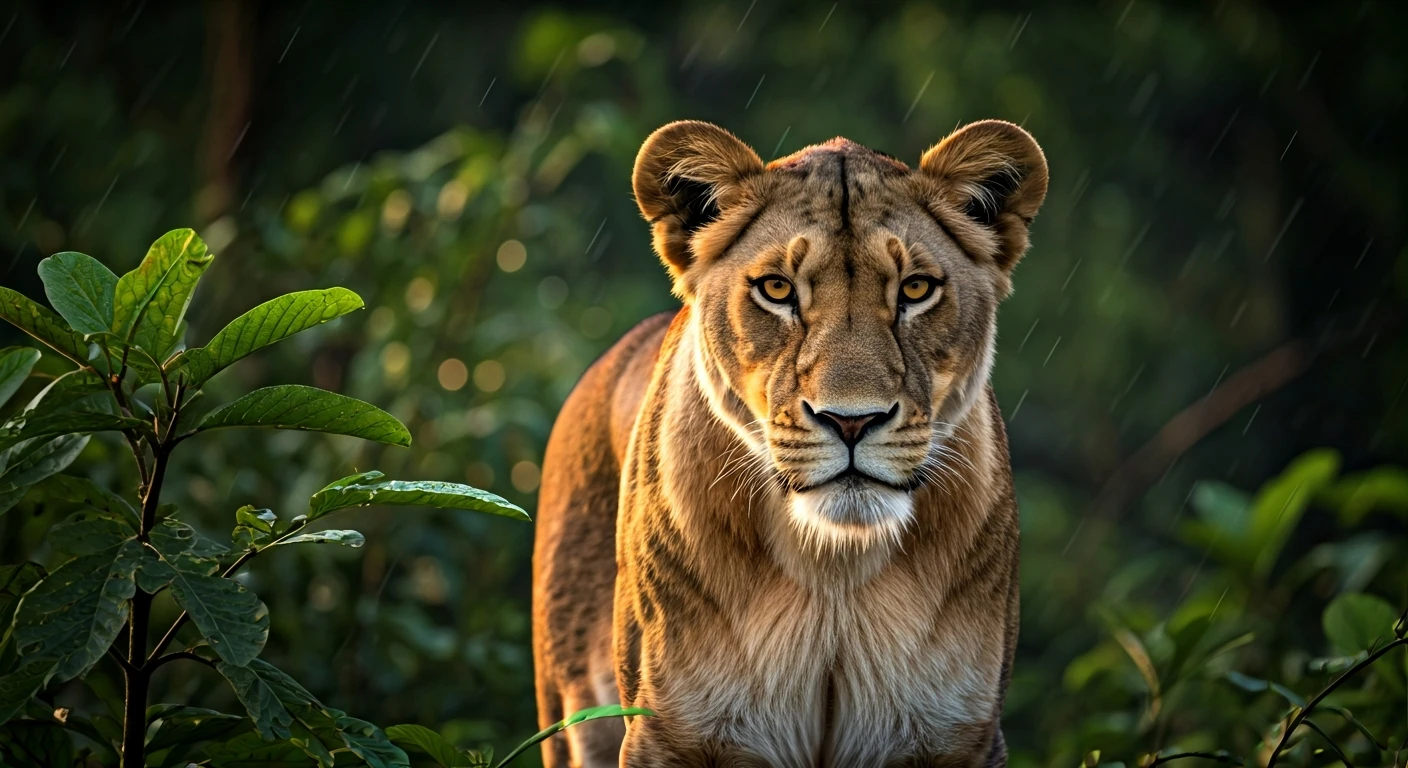
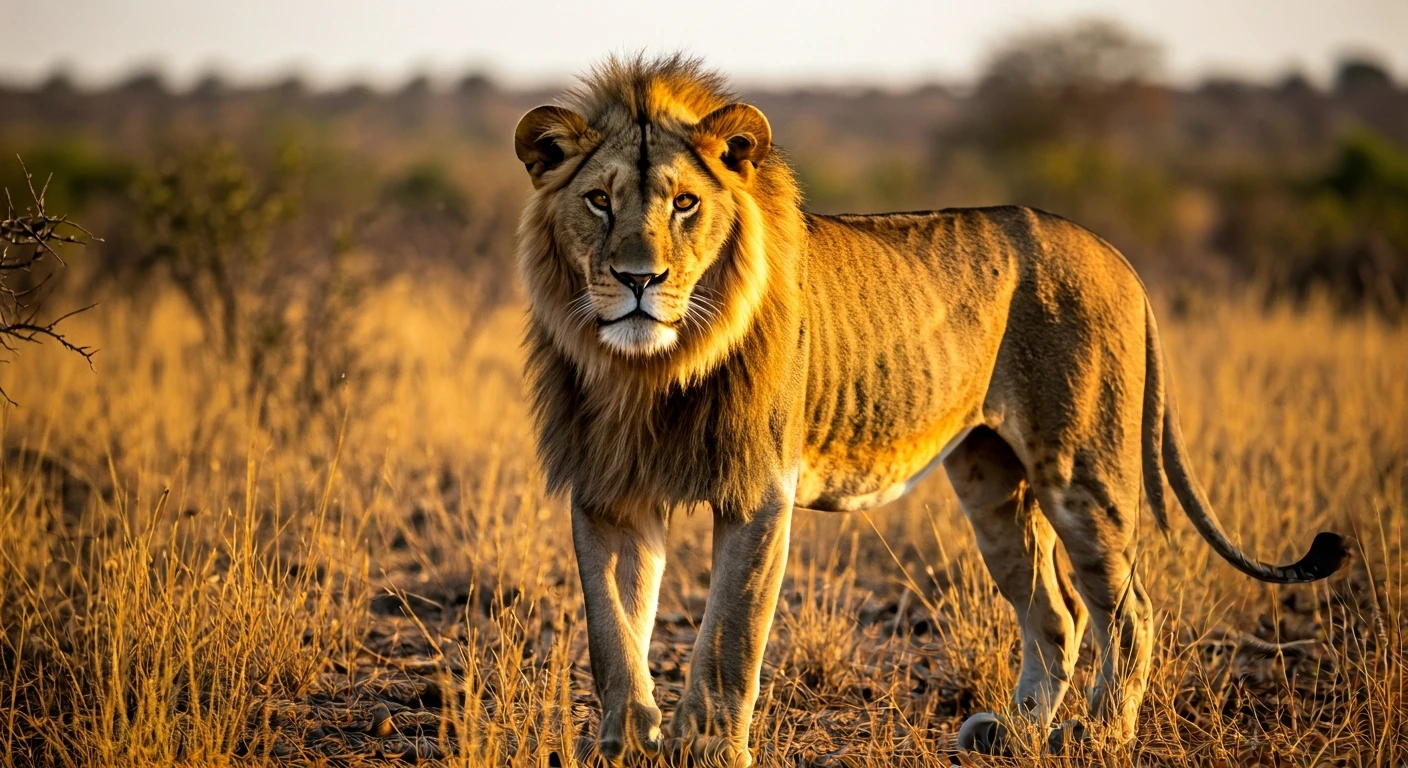
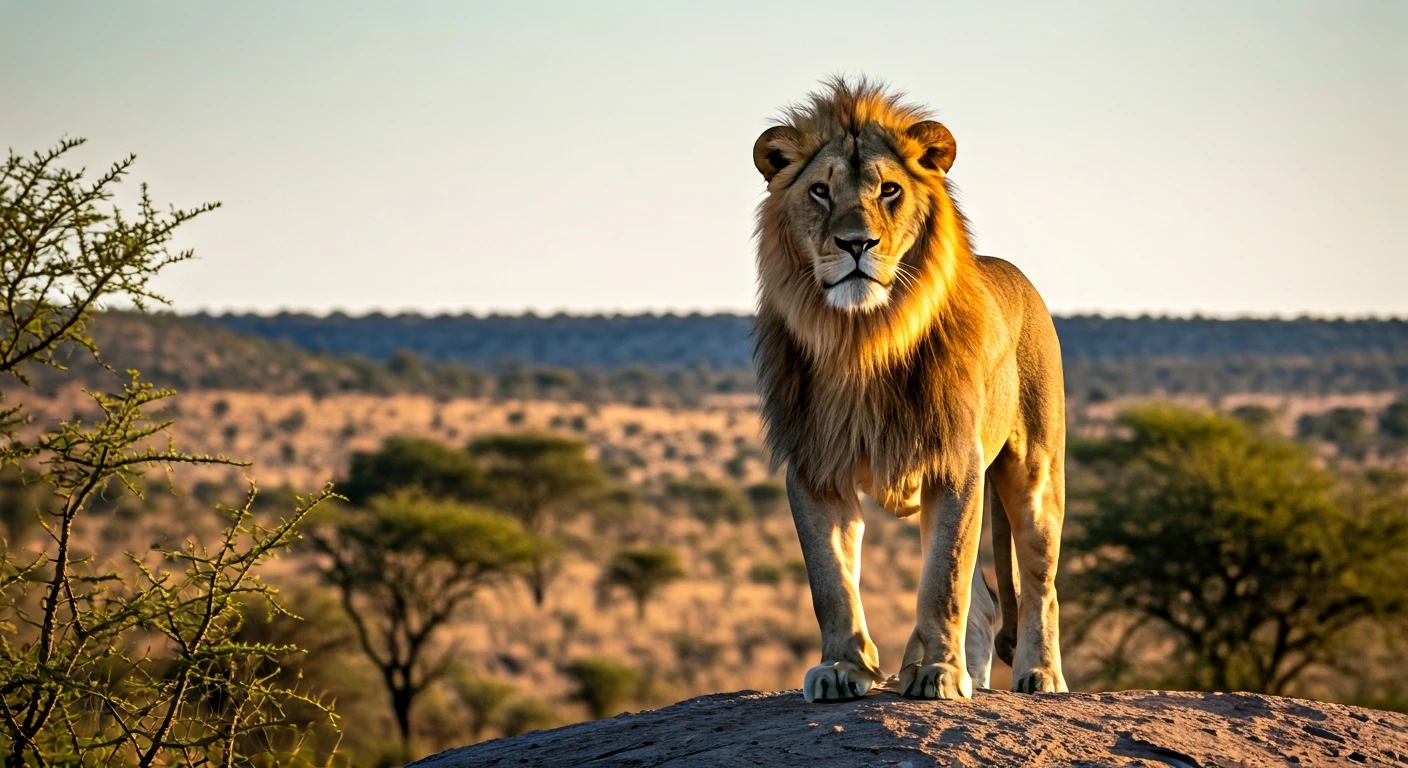
The main event, of course, is the Asiatic lion. Smaller and shaggier than their African cousins, with a distinctive fold of skin on their belly, these magnificent cats are a conservation success story. Once roaming across the Middle East and Asia, their population dwindled to a perilously small number—perhaps as few as 20 individuals—by the early 20th century, confined to this single pocket of forest. Thanks to dedicated conservation efforts by the Indian government and local communities, their numbers have rebounded to over 670, according to the 2020 census. Seeing a Gir lion isn’t just ticking a box on a wildlife checklist; it’s witnessing the result of a century of hard work. They are the only wild lions in the world outside of Africa, and Gir is their last and only stronghold. This makes a sighting feel less like tourism and more like a pilgrimage to the heart of a triumphant ecological comeback.
How to Plan Your Pre-Monsoon Safari
A trip to Gir in the heat requires some planning. The park officially closes around June 15th each year for the monsoon breeding season, reopening in mid-October. This gives you a narrow, prime window in April and May. Safari permits are the biggest hurdle. The Forest Department releases a limited number of jeep permits online, and they sell out weeks, sometimes months, in advance. Spontaneity is not an option. You must book your permits before you book anything else. The safaris themselves—conducted in open-air jeeps called 'Gypsys'—run in the early morning and late afternoon to avoid the worst of the midday sun. Pack light, breathable clothing in neutral colors, a wide-brimmed hat, sunscreen, and a reusable water bottle to stay hydrated. The heat is formidable, regularly topping 105°F (40°C), but the dry air and the thrill of the chase make it manageable for the prepared adventurer.
More Than Just Lions
While the lions are the undisputed stars, Gir is a thriving ecosystem. The same conditions that bring lions to the waterholes also attract a rich cast of other characters. The park is home to a healthy population of leopards, often seen lounging on rocky outcrops. Large herds of sambar and chital (spotted deer) are common sights, as are nilgai (blue bull), the largest antelope in Asia. Marsh crocodiles, or 'muggers,' lurk in the park’s main reservoir, and the birdwatching is spectacular, with over 300 species, including crested serpent eagles and the Indian pitta. Focusing solely on lions would be missing the point. The beauty of Gir is in its wholeness—a complete, functioning ecosystem where every creature plays a part, all moving to the urgent rhythm of the pre-monsoon heat.