


An Ancient Grain Gets a Modern Makeover
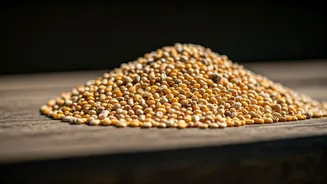
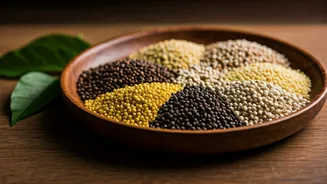
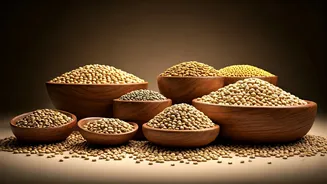
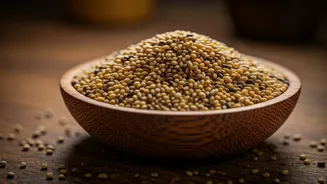
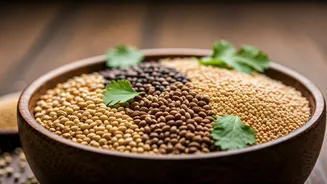
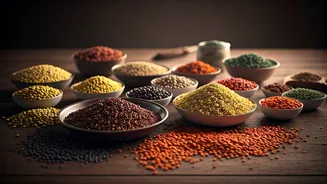
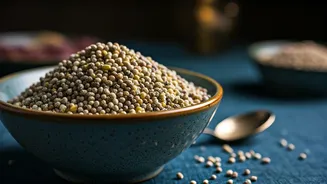
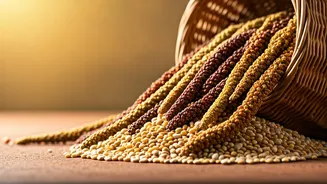
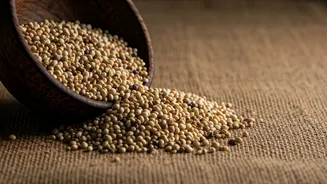
So, what are millets? For many, the word might conjure images of birdseed or a rustic, unrefined porridge. Historically, that wasn't far off. Across India, millets like jowar (sorghum), bajra (pearl millet), and ragi (finger millet) were humble, everyday
staples, particularly in rural and arid regions where rice and wheat struggled to grow. They were the dependable, nutrient-dense grains of the people, consumed for millennia. But in recent decades, they were largely overshadowed by the agricultural dominance of rice and wheat, which were seen as more modern and aspirational. Millets were relegated to the past, often viewed as “poor man’s food.” The current “glow-up” is a dramatic reversal of that perception. Today, chefs in New York, London, and New Delhi are transforming these grains into sophisticated dishes: think ragi-based pizza crusts, foxtail millet risottos, and delicate jowar crepes. The humble grain has officially gone gourmet.
The Government-Backed Comeback
This resurgence isn’t just a chef-led whim. It has powerful backing. The United Nations, at the behest of India, declared 2023 the “International Year of Millets.” This wasn't just a feel-good proclamation; it was a strategic push by the Indian government to re-popularize the grains both at home and abroad. Why? The reasons are threefold: food security, farmer prosperity, and climate resilience. Millets are what’s known as a “smart food.” They are incredibly hardy, requiring significantly less water than rice or wheat, making them an ideal crop for a world facing climate change and water scarcity. By promoting millets, India is not only championing a sustainable agricultural future but also boosting the livelihoods of the small-scale farmers who cultivate these traditional crops. This national pride has trickled down, encouraging chefs and home cooks to embrace their heritage and see millets as a symbol of ingenuity, not poverty.
A Nutritional Powerhouse for Modern Diners
The timing for millet’s comeback couldn’t be better. In an era where “gluten-free,” “high-protein,” and “low-glycemic” are powerful buzzwords, millets tick all the right boxes. Naturally gluten-free, they are a godsend for those with celiac disease or gluten sensitivity. They are also packed with fiber, protein, and essential minerals like iron and magnesium, making them a favorite among health-conscious consumers. Unlike refined grains that can cause blood sugar spikes, millets have a lower glycemic index, providing sustained energy. This aligns perfectly with the wellness-oriented dining trends that have swept the U.S. When a diner sees “millet” on a menu, it signals not just authenticity and culinary adventure, but also a healthy, mindful choice. This nutritional profile is a key reason why the trend has found such a receptive audience far beyond India’s borders.
From Ancient Porridge to Your Plate
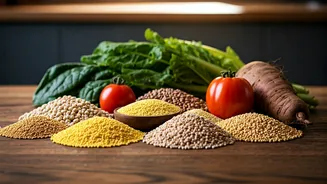
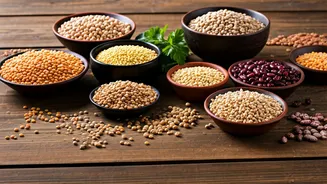
The real magic is happening in the kitchen. Modern Indian chefs are exploring the diverse textures and flavors of different millet varieties, proving their versatility beyond simple flatbreads or porridge. Foxtail millet, with its delicate texture, is being used in upma (a savory breakfast dish) and salads. The nutty flavor of sorghum (jowar) is being incorporated into everything from gluten-free pasta to crispy crackers served with dips. Pearl millet (bajra), traditionally used in dense, rustic flatbreads, is now being fermented for fluffy dosas or used as a base for a hearty, risotto-like khichdi. At innovative restaurants, you might find a millet-crusted fish or a dessert made from sweetened, puffed finger millet (ragi). This creative explosion is demonstrating that millets aren't a substitute for rice or wheat; they are a distinct and delicious ingredient group in their own right, offering new palettes of flavor and texture for chefs and diners to explore.