






What Is Live Stream Mindfulness?
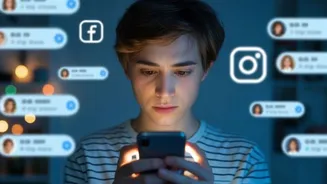
Forget silent, solitary rooms. Picture this instead: you open your phone, navigate to a live stream, and find a creator guiding hundreds, sometimes thousands, of people through a simple chant or a quiet, timed meditation. This is the new face of mindfulness
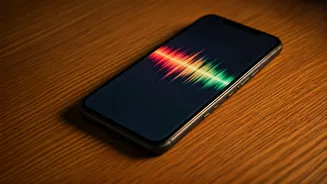
for many in Gen Z. It’s not one single app or website, but a sprawling, user-driven ecosystem. On TikTok, you might find a 10-minute live session focused on a single mantra. On YouTube, creators host hours-long streams of ambient sounds, binaural beats, or looped chants where viewers can drop in and out. On Twitch, a platform known for gaming, wellness channels are gaining traction, offering a communal space to decompress. The common thread isn't the specific practice, but the format: it’s live, it’s digital, and it’s happening with other people, right now.
The Power of Digital Community
So, why not just use a pre-recorded app like Calm or Headspace? The key appeal seems to be the antidote to loneliness. While traditional mindfulness apps offer polished, isolated experiences, live streams provide a sense of shared presence. The chat window scrolls with messages of support, emojis, and affirmations. Knowing that hundreds of other people are sharing the same moment of intentional quiet creates a powerful feeling of connection and accountability. For a generation that has navigated friendships, education, and identity through screens, using those same screens to forge a wellness community feels intuitive. It transforms a solitary act into a collective one, reducing the isolation that can sometimes accompany mental health struggles. It’s the digital equivalent of a group meditation circle, available on demand.
Accessibility Over Purity
Another driving factor is radical accessibility. Traditional wellness often comes with barriers: expensive classes, time-consuming retreats, or a sense of cultural gatekeeping that can feel intimidating. Live stream chanting, however, is typically free, requires only a phone and an internet connection, and demands no prior knowledge. Sessions are often short—five, ten, or fifteen minutes—designed to fit between classes, on a work break, or before bed. This “quick mindfulness” approach resonates with Gen Z’s preference for immediate, practical solutions that integrate seamlessly into a busy, digitally saturated life. It democratizes the practice, stripping it down to its essentials and removing the friction that prevents many from starting.
A Modern Twist on an Ancient Practice
Of course, some purists may question the efficacy of what’s been dubbed “McMindfulness.” Can a 10-minute session on a distracting platform truly compare to dedicated, traditional practice? Perhaps not, but that might be missing the point. For many, these digital entry points are not a replacement for deeper spiritual work but a vital first step. They offer a taste of calm in an otherwise chaotic digital environment. Creators in this space often act as bridges, introducing concepts from Buddhism, Hinduism, and other contemplative traditions in a secular, welcoming way. They are adapting ancient tools for a new context, proving that the core benefits of mindfulness—reduced anxiety, greater focus, and a sense of calm—can be found even through a screen. It’s less about achieving enlightenment and more about finding a moment to breathe in a world that rarely encourages it.