

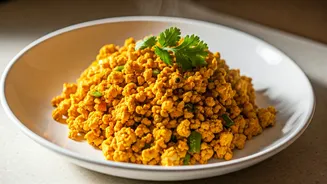


So, What Is This Breakfast?
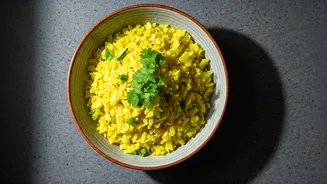
While there isn't a single monolithic meal, one dish stands out as a top contender for the breakfast of champions in modern India: Poha. If you've never heard of it, you're not alone, but it's a staple for millions. Poha is a savory dish made from flattened,
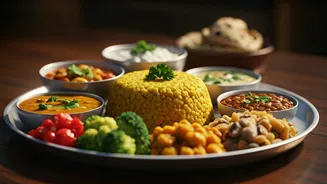
parboiled rice flakes that are incredibly light and quick-cooking. Think of it as the Indian equivalent of oatmeal, but faster, more versatile, and savory. The base of flattened rice is sautéed with onions, spices like turmeric and mustard seeds, and often studded with potatoes, peas, and roasted peanuts. The result is a fluffy, fragrant, and brightly yellow dish that’s as pleasing to the eye as it is to the palate.
The Ultimate Morning Multi-Tasker
Why has poha become a go-to for the health-conscious? The answer lies in its perfect balance of practicality and nutrition. First, it’s incredibly fast. The entire dish can come together in about 15 minutes, a crucial factor for anyone with a demanding schedule. Nutritionally, it’s a powerhouse. The flattened rice provides complex carbohydrates for sustained energy without the heavy, sluggish feeling that can follow a carb-heavy American breakfast. It’s also famously easy to digest. Because the rice flakes are parboiled and light, they don't sit heavily in your stomach. This makes poha an ideal pre-workout meal or a smart start for a long day of meetings. Furthermore, it's a fantastic canvas for nutritional upgrades. Many people add a bounty of fresh vegetables, a sprinkle of protein-rich peanuts or cashews, and sometimes even sprouts, turning a simple dish into a well-rounded meal. A final squeeze of lime not only brightens the flavor but also helps with iron absorption, thanks to the vitamin C.
A Taste of Modern India
Poha is more than just a health trend; it’s a cultural touchstone that reflects the rhythm of contemporary Indian life. It’s the quintessential quick-and-easy meal, made in home kitchens across the country, but it’s also a beloved street food, served hot from carts at railway stations and bustling market corners. Its popularity cuts across classes and regions, with each area adding its own unique twist. In Maharashtra, where it’s particularly iconic, Kanda Poha (with onions) is king. In Indore, it's often served with a sweet and spicy mix of crunchy toppings called 'sev'. This adaptability speaks to its enduring appeal. It's a dish that feels both traditional and perfectly suited for the demands of a fast-paced, globalized world. For many urban professionals, it represents a connection to home and comfort, delivered in a package that fits their modern, health-aware lifestyle.
Your Gateway to Savory Mornings
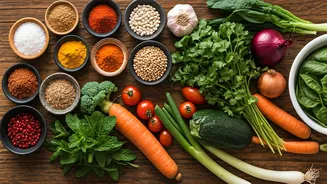
The best part about poha is its accessibility. You don’t need to be a master chef to make a delicious version at home. The main ingredient, flattened rice, is readily available at any Indian grocery store or online and comes in thick or thin varieties (thick is generally best for poha). The cooking process is straightforward: rinse the rice flakes briefly in a colander until they soften, but don't let them turn to mush. While they rest, you sauté your aromatics—typically mustard seeds until they pop, followed by onions, green chilies, and curry leaves if you have them. Add a dash of turmeric for that vibrant yellow color, toss in some vegetables like peas, and then gently fold in the softened rice flakes. Season with salt and a pinch of sugar to balance the flavors, let it steam for a minute or two, and you’re done. Finish with fresh cilantro, a squeeze of lime juice, and maybe some roasted peanuts for crunch. It’s a simple formula that invites experimentation.