






From Generic Dish to Bespoke Diner
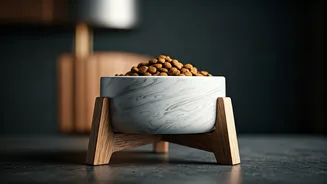
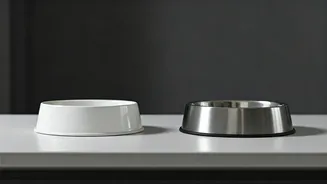
Walk down the pet aisle and you’ll see the evolution. First, there was the simple stainless steel bowl, a durable, no-fuss classic. Then came elevated feeders to aid digestion and slow-feeder bowls with maze-like patterns to prevent an overeager Labrador
from inhaling his kibble in six seconds flat. Now, the market is offering an even more granular solution: the breed-specific bowl. These products are engineered with the unique facial and skull structure of certain dog and cat breeds in mind. For a Persian cat, with its famously flat face, this might mean a shallow, tilted dish that allows it to eat without its whiskers getting stressed or its cheeks pressing uncomfortably against the sides. For a Greyhound or a Borzoi, with their long, elegant snouts, it could be a deep, narrow bowl that keeps their ears out of their food. The designs are a direct response to the anatomical quirks that define our favorite breeds, promising a more comfortable, cleaner, and healthier dining experience.
The French Bulldog Effect
If there’s one dog that embodies this trend, it’s the French Bulldog. Now the most popular dog in America, the beloved “Frenchie” is a brachycephalic breed, a term that refers to animals with short, flattened snouts. Pugs, Boxers, and Shih Tzus fall into this category as well. While undeniably adorable, this facial structure comes with a host of challenges, including breathing difficulties and trouble picking up food from a flat surface.
Manufacturers have seized on this. Tilted bowls, often raised and with a slight curve, are marketed heavily to Frenchie owners. The angle is designed to help the dog scoop up kibble without having to tilt its head so severely, which can reduce air intake—and, in theory, the notorious post-dinner gassiness that brachycephalic owners know all too well. This single, highly popular breed category has created a powerful market for a problem-solving product, making these bowls feel less like an indulgence and more like a necessity.
Vet-Approved or Clever Marketing?
So, is this a veterinary breakthrough or a brilliant marketing play? The answer, according to many vets, is a little of both. There is a general consensus that for animals with extreme anatomical features, particularly brachycephalic breeds, a well-designed bowl can offer genuine benefits.
“For a dog that struggles to breathe or has difficulty grabbing its food, a specialized bowl can absolutely improve its quality of life,” says Dr. Sarah Gorman, a veterinarian who has seen the trend rise in her urban practice. “It can reduce frustration for the pet and mess for the owner.”
However, experts are more skeptical when it comes to bowls designed for breeds without such pronounced features, like a “Golden Retriever bowl” or a “German Shepherd bowl.” In these cases, the benefits are less clear and likely negligible. While not harmful, a standard bowl is often perfectly adequate. The primary driver here isn't medical necessity but the powerful emotional desire of owners to provide the absolute best for their companions. These products tap into the “pet humanization” trend, where pets are treated as furry family members deserving of customized, premium goods.
An Expression of Modern Pet Parenthood
Ultimately, the rise of the breed-specific bowl is less about animal physiology and more about human psychology. For many urban millennials and Gen Zers, pets are their “starter children.” They lavish them with high-end food, orthopedic beds, and, yes, ergonomically designed dinnerware. Buying a $40 tilted ceramic bowl for your Pug isn’t just a practical purchase; it’s an act of love and a visible signal of your status as a conscientious, attentive pet parent.
In cities where space is tight and communities are built around shared dog parks, these choices become part of a lifestyle. It’s about feeling you’ve done everything you can to ensure your pet’s comfort and happiness. The bowl becomes a small but significant symbol of that commitment, sitting right there on the kitchen floor.