




The Seductive Promise of a Quick Fix
Let’s be honest: the allure of a shortcut is powerful. In a culture that values speed and efficiency, the idea of dropping 10 pounds in two weeks with a miracle supplement or a hyper-restrictive cleanse is incredibly tempting. Marketing for these products
is masterful, preying on our insecurities and our desire for immediate results before a vacation, a wedding, or just the start of summer. The promises are specific, the before-and-after photos are compelling, and the testimonials sound just like us. We're busy, we're stressed, and we're told there’s a simple, fast solution waiting for us. This isn't a personal failing; it's a perfectly natural response to a multi-billion dollar industry designed to make you feel like you’re one purchase away from solving your problems. The hype works because it sells hope in a bottle, a box, or a downloadable plan.
Your Body Fights Back for a Reason
The problem with most shortcut diets is that they work against your body's fundamental biology, not with it. When you drastically cut calories or eliminate entire food groups, your body doesn't see a 'diet'; it senses a famine. In response, it triggers a cascade of protective measures. Your metabolism may slow down to conserve energy, and your brain is flooded with powerful hormones that increase hunger and cravings, particularly for the high-calorie foods you’re trying to avoid. This isn't a lack of willpower—it's a survival mechanism honed over millennia. This biological pushback is why so many people find themselves in a cycle of restriction followed by overeating. The diet is so mentally and physically taxing that it eventually becomes unsustainable, leading to feelings of failure when, in fact, the system was designed to fail from the start.
The Unsexy Superstars of Wellness
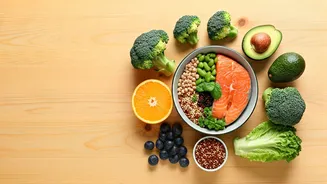
If shortcut diets are the flashy blockbuster movies, then lifestyle basics are the critically acclaimed indie films: less hype, but far more substance. These are the 'boring' habits that, when practiced consistently, create profound and lasting change. Think of them as the foundation upon which true health is built. Getting adequate sleep (7-9 hours) is crucial for regulating hunger hormones like ghrelin and leptin. Managing stress is key because high cortisol levels can lead to increased appetite and fat storage, especially around the midsection. Regular, gentle movement—like a daily walk—improves insulin sensitivity and boosts mood without the burnout of an extreme exercise regimen. Staying hydrated supports metabolism and energy levels. And eating a balanced diet rich in whole foods, fiber, and protein provides sustained energy and satiety. None of these habits offer a 14-day miracle, but they work together to create a body that is resilient, balanced, and functioning optimally.
Redefining What ‘Results’ Really Mean
Perhaps the biggest win for lifestyle basics is how they shift the definition of success. Shortcut diets are almost exclusively focused on a single metric: the number on the scale. This narrow focus can create an unhealthy obsession and ignores every other indicator of well-being. The basics, however, deliver results you can feel every day. Success is no longer just about weight loss; it’s about having the energy to play with your kids, waking up feeling rested, navigating a stressful workday without crashing, or simply feeling more comfortable and at peace in your own skin. When you prioritize sleeping well, eating nourishing food, and moving your body in ways you enjoy, the 'results' become deeper sleep, a more stable mood, clearer thinking, and a greater sense of overall vitality. The aesthetic changes that may happen are simply a side effect of a body that is genuinely thriving.