





More Than Just a Parade
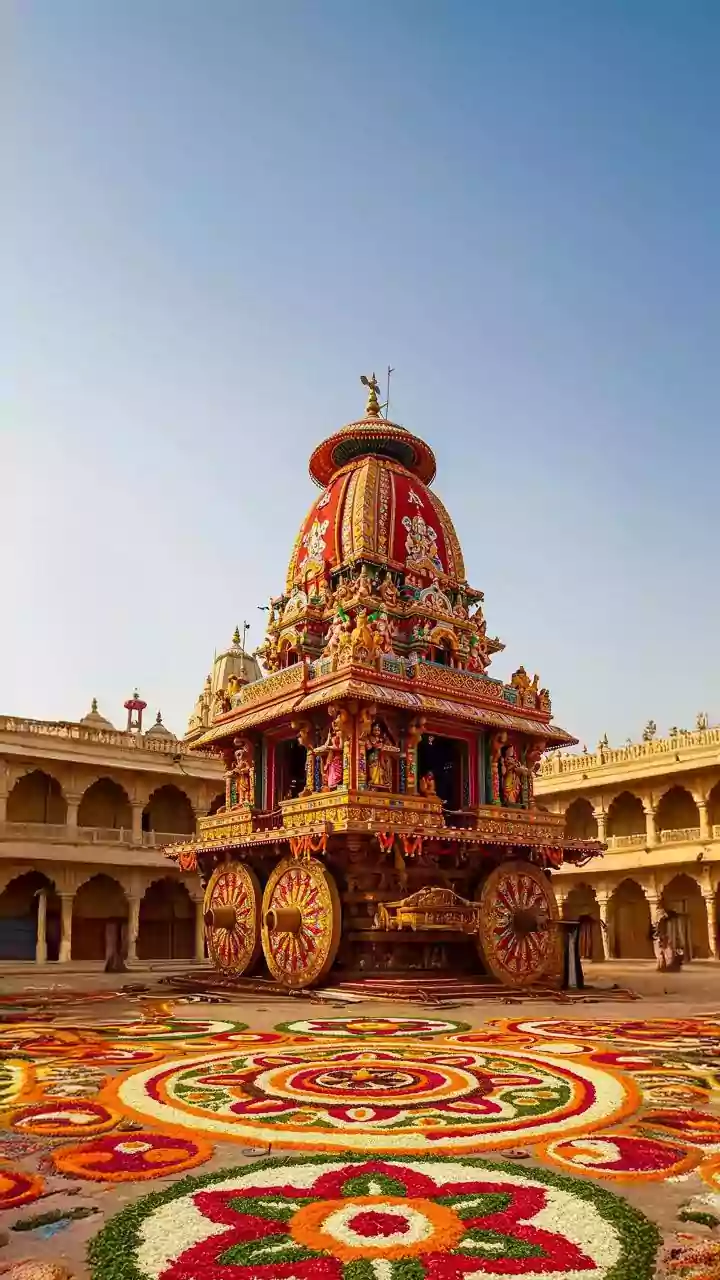
To the uninitiated, the Chariot Festival—known traditionally as Rath Yatra—might look like an exceptionally elaborate parade. Ornate, canopy-topped chariots, some several stories high, are pulled by hand through city streets by thousands of devotees.
The air thrums with music, chanting, and celebration. But at its heart, this is a profound spiritual event. Originating centuries ago in Puri, a coastal city in the Indian state of Odisha, Rath Yatra celebrates the annual journey of the deity Jagannath, his brother Balabhadra, and his sister Subhadra. The deities leave the confines of their temple to travel to another, an act symbolizing their desire to connect with all people, regardless of caste or creed. It’s an inherently public and inclusive display of faith, one that has found a second home in cities across the United States, from New York to San Francisco.
Walking Through Living History
While the festival itself is a spectacle, a deeper understanding often begins before the first rope is pulled. This is where the heritage walk comes in. Imagine strolling through the winding lanes of a historic neighborhood, not with a simple map, but with a storyteller. These guided walks are designed to connect participants to the ecosystem that makes the main event possible. Instead of just seeing the temple, you learn about its architecture. Instead of just tasting the festival food, you visit the kitchens where the *mahaprasad* (sacred food offering) is prepared using ancient methods. You meet the artisans who craft the intricate decorations, the painters who bring the deities’ images to life, and the families who have served the temple for generations. The walk transforms abstract cultural concepts into tangible, human experiences. It’s an invitation to look past the spectacle and see the soul of the tradition.
A Tradition Reimagined for America
In the American context, the “heritage walk” may not always be a formal, ticketed tour, but its spirit is deeply embedded in how these festivals are now organized. Organizers understand that for the tradition to thrive in a multicultural society, it needs to be accessible. Rath Yatra events in the U.S. have become vibrant cultural fairs. Alongside the main procession, you’ll find tents offering “Ask a Monk” sessions, booths explaining the philosophy behind the festival, and displays detailing the story of Jagannath. Volunteers hand out not just free vegetarian food but also pamphlets explaining its significance. Cultural performances, from classical Indian dance to fusion music, create multiple entry points for the curious. This approach effectively deconstructs the festival, allowing newcomers to engage with the elements that spark their interest, whether it’s the food, the art, the music, or the spiritual philosophy. It’s a heritage walk in principle, spread across a festival ground.
Building Bridges, One Step at a Time
This emphasis on education and immersion does more than just ensure a good turnout. It actively fosters the “cultural curiosity” the headline speaks of. By inviting questions and providing context, organizers break down barriers of unfamiliarity that can lead to misunderstanding. An outsider is no longer just a spectator watching a foreign ritual; they become a guest, an informed participant. They learn that the vibrant colors have meaning, the chants have a purpose, and the shared meal is an act of community. In a society often defined by division, these events create rare spaces of genuine, face-to-face cultural exchange. They remind us that curiosity is the first step toward understanding, and understanding is the foundation of a cohesive community. The journey of a chariot through a city street becomes a metaphor for a tradition traveling across cultures, finding new meaning, and inviting everyone along for the ride.