



A Summer Capital's Ghost
To understand the Shimla Summer Festival, you first have to understand Shimla itself. Long before it was a bustling Indian tourist hub, it was the official “Summer Capital” of British India. From the 1860s until India’s independence in 1947, the entire
colonial administration would relocate here from the sweltering plains of Delhi and Calcutta. This seasonal migration turned a quiet Himalayan village into the subcontinent's most powerful and glamorous resort town. Grand lodges, Gothic churches, and a magnificent Viceregal Lodge were built to house the British elite. The city's famous Mall Road was constructed for evening strolls, and the Gaiety Theatre became a social centerpiece, hosting plays and balls that mimicked London society. This entire historical layer wasn't bulldozed by modernity; it remains the city's very foundation.
From Colonial Retreat to Cultural Celebration
When the British left, Shimla’s identity shifted. It became the capital of the Indian state of Himachal Pradesh. But the traditions of a grand summer social season didn't just vanish—they evolved. The modern Shimla Summer Festival, which officially began in the 1960s, is a direct cultural descendant of the colonial-era festivities. While the British social calendar was exclusive and centered on imperial power, the new festival became a vibrant, democratic celebration of local and national culture. It repurposed the old colonial spaces—The Ridge, an open-air public square with stunning mountain views, and the aforementioned Gaiety Theatre—for the people. The festival became a bridge between the city’s Raj-era past and its Indian present, retaining the setting but transforming the spirit.
The Anatomy of a Retro Vibe
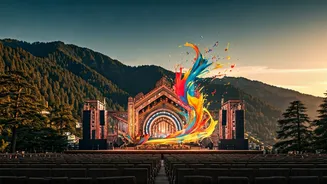
So, what makes the festival a magnet for lovers of all things retro? It's the tangible sense of history you can touch and see. The festival isn't held in a sterile convention center but across the historic heart of the city. Events unfold on The Ridge, where a statue of Mahatma Gandhi now stands against a backdrop of neo-Gothic buildings. Musical performances, from Bollywood stars to local folk troupes, echo through a townscape that looks much as it did a century ago. Attending a show at the Gaiety Theatre, meticulously restored to its Victorian glory, feels like stepping onto a movie set. Even the journey to Shimla, often made on the UNESCO World Heritage Kalka-Shimla Railway with its vintage carriages and 103 tunnels, is part of the experience. It’s an immersion, not just an event.
More Than Just Nostalgia
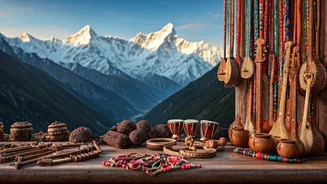
The appeal goes beyond simple nostalgia. In a world of hyper-modern, globally homogenous festivals, Shimla offers something authentic. The "retro vibe" isn't a manufactured theme; it's the city's genuine character. The festival seamlessly blends this colonial atmosphere with vibrant Himachali culture. Alongside rock bands and fashion shows, you’ll find traditional Nati folk dances, artisan markets selling local handicrafts, and food stalls offering regional delicacies. This juxtaposition is what makes it so compelling. Visitors aren’t just looking back at a single history; they’re experiencing the rich, layered identity of a place that has absorbed its past without being trapped by it. It’s a celebration that feels earned, rooted in the unique story of the mountains.