






The Daily Lighting Struggle
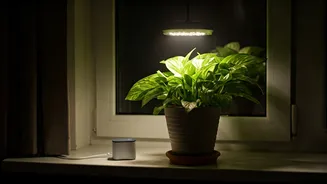
For the dedicated houseplant enthusiast, especially those in homes with limited natural light, grow lights are a game-changer. They supplement the sun, prevent legginess, and can even encourage flowering out of season. But they introduce a new chore:
remembering to turn them on and off at the same time every single day. Life, however, is rarely that consistent. You work late, you go out for dinner, you forget. This inconsistency can stress your plants. They thrive on routine, and a fluctuating light schedule can disrupt their internal clocks, hindering growth and overall health. For years, the solution was a clunky mechanical timer—the kind with little plastic pins you push in. They work, but they’re noisy, imprecise, and a pain to adjust. If the power goes out, your schedule is toast. There's a better way.
Enter the Smart-Plug Solution
A smart plug is a small adapter that fits between your wall outlet and the device you want to control—in this case, your grow light. After plugging it in, you connect it to your home’s Wi-Fi network using a simple smartphone app. From that app, you gain complete control over the power flowing to your light. The core feature is scheduling. You can set precise on and off times for every day of the week, creating a perfectly consistent “day” for your plants. Want your fiddle-leaf fig to get 12 hours of light starting at 7 a.m.? Just program it once and forget it. Unlike their mechanical predecessors, smart plugs are digital. They remember their schedule even if the power or Wi-Fi blips. You can also override the schedule and turn lights on or off manually from your phone, whether you’re on the couch or across the country.
Why Consistency Is King for Plants
Plants live and die by the light. The consistent cycle of light and dark, known as the photoperiod, is one of the most important environmental cues they receive. It governs everything from photosynthesis (the process of creating energy from light) to triggering flowering and preparing for dormancy. When a plant receives a reliable, predictable amount of light each day, it can optimize its biological processes. It “knows” when to photosynthesize at full capacity and when to rest and respire in the dark. An erratic schedule is like perpetual jet lag for a plant. It can't settle into an efficient rhythm, leading to weaker growth, fewer flowers, and increased susceptibility to pests and diseases. By automating your grow lights with a smart plug, you eliminate human error and provide the stable environment your plants need to flourish.
Setting Up Your Automated Oasis
Getting started with a smart plug is incredibly straightforward, even for the tech-averse. The process generally takes less than five minutes. First, plug the smart plug into a wall outlet, and then plug your grow light into the smart plug. Next, download the companion app for the brand of plug you purchased (common ones include Kasa, Wyze, or Meross) and create an account. The app will then guide you through connecting the plug to your Wi-Fi network. Once connected, you can name the plug—like “Living Room Grow Light”—and start building a schedule. You can set a simple on/off time, or create different schedules for different days of the week. Many apps also offer advanced features like a “sunrise/sunset” mode that gradually brightens and dims the light, more closely mimicking nature and gently waking your plants up.
More Than Just Lights
Once you have one smart plug, you’ll likely find more uses for them in your plant care routine. They are perfect for automating other essential equipment. You can connect a small fan to a smart plug and schedule it to run for 15-30 minutes a few times a day to improve air circulation and strengthen stems. For those starting seeds, a smart plug can control a heat mat, ensuring optimal germination temperatures without running the mat 24/7. You can even hook one up to a small humidifier in a dry room to maintain a consistent moisture level for your tropicals. This small piece of technology acts as a brain for all the simple, non-smart devices that keep your indoor garden in perfect balance.