




The Safari Scramble: Why You Need to Plan Now
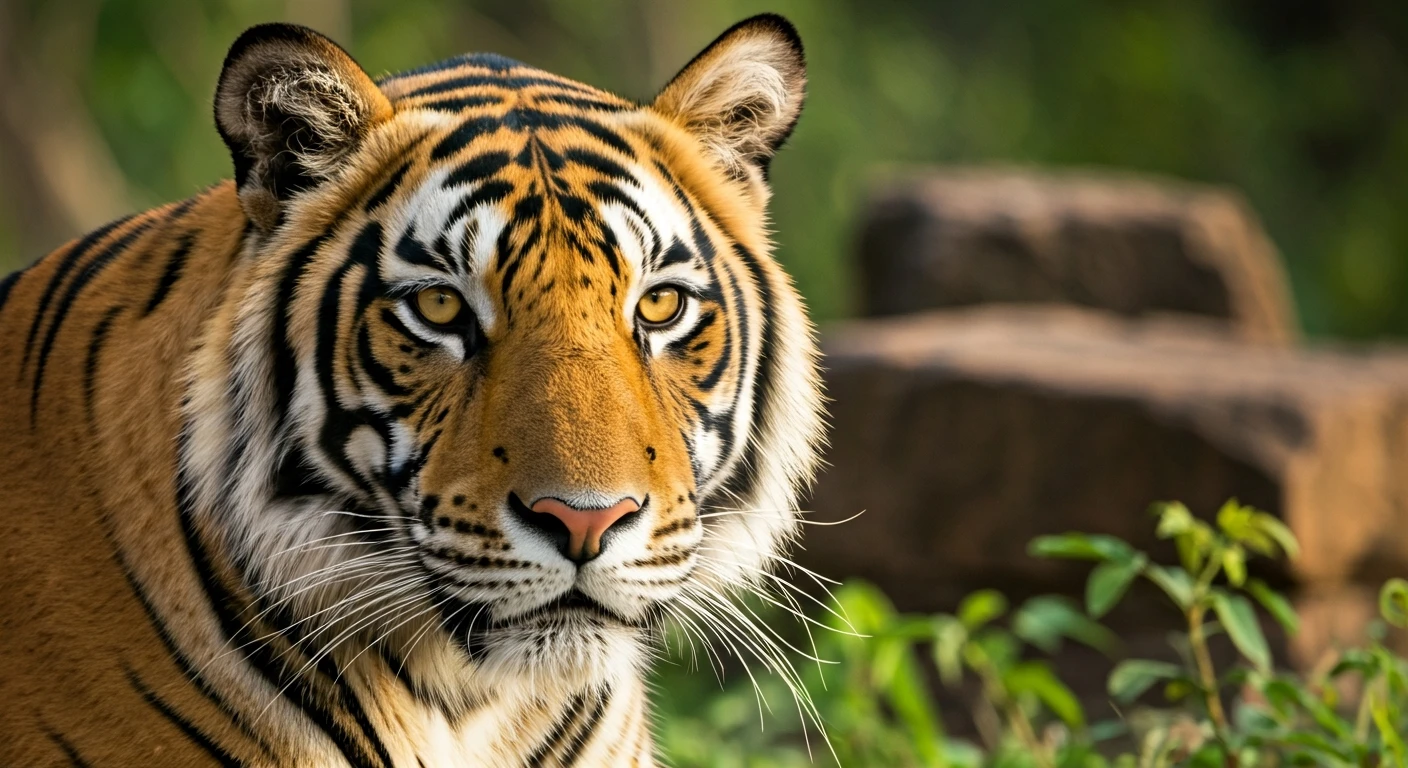
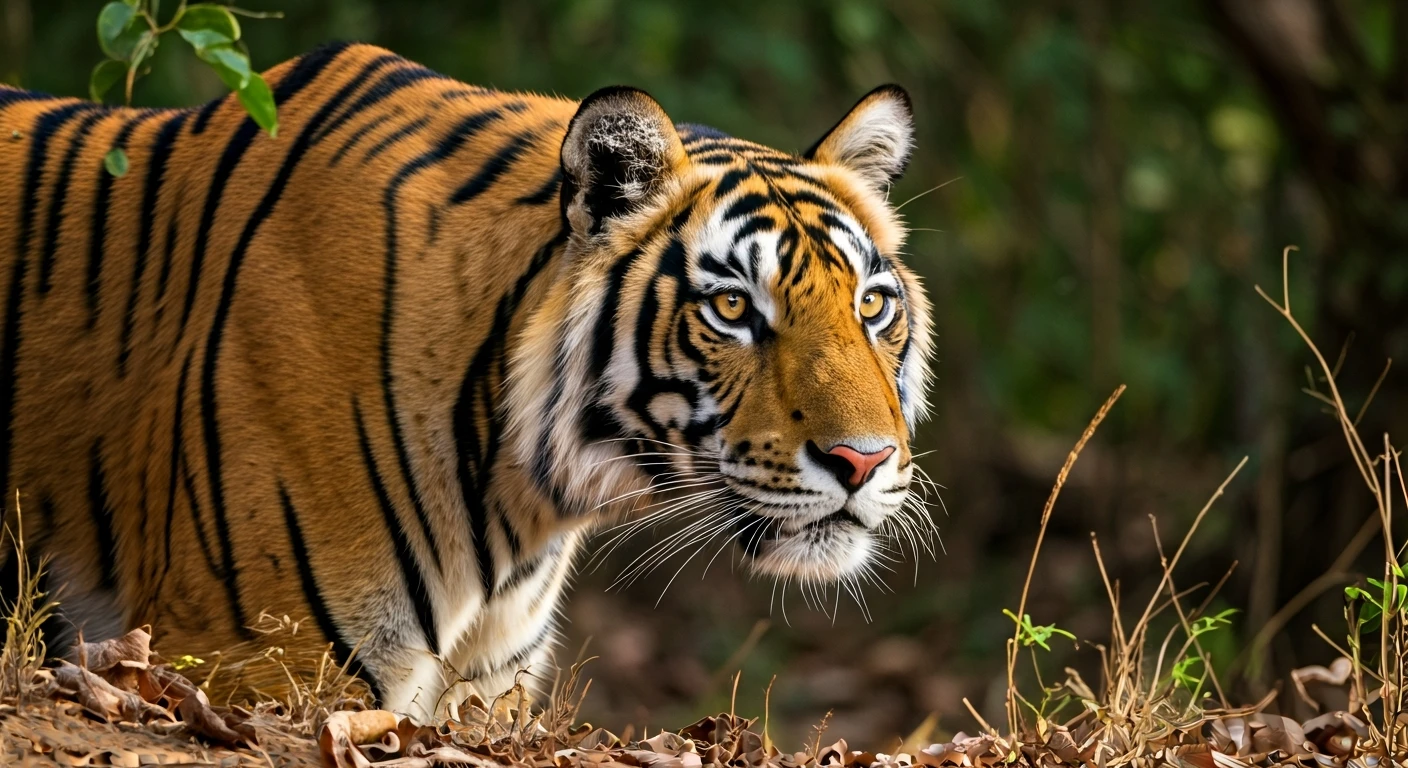
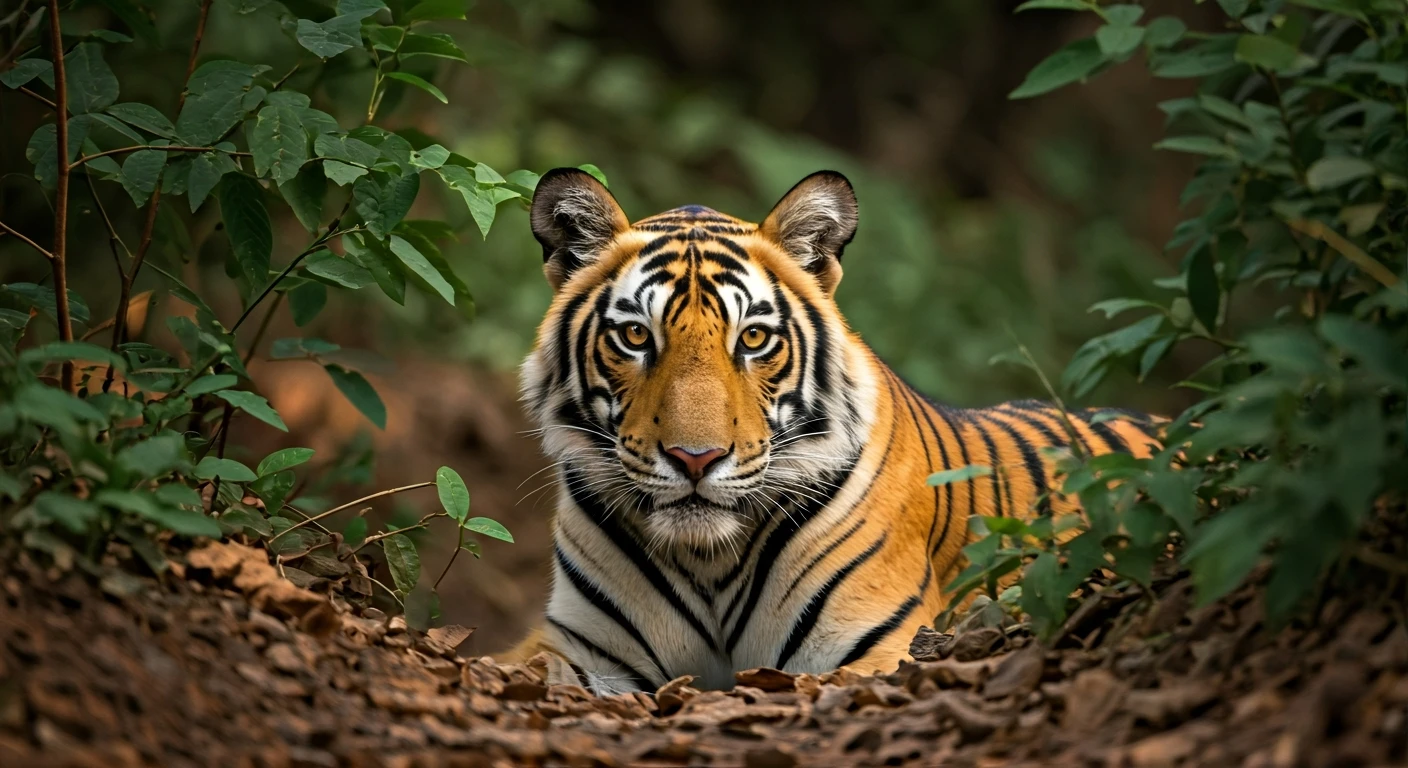
For many American travelers, an Indian tiger safari is the ultimate bucket-list adventure. The image is iconic: a magnificent Bengal tiger padding silently through tall grass, its striped coat a perfect camouflage. What isn’t pictured is the frantic,
high-speed digital scramble that happens 90 to 120 days beforehand. Unlike an African safari where private conservancies offer flexibility, India’s national parks are government-regulated, with a finite number of safari permits (called “gypsy” or jeep permits) released online. For premier parks like Ranthambore and Tadoba, these permits are snatched up by travelers and local agents within minutes of becoming available. The “speed” in your safari plan isn’t about how fast your jeep goes; it’s about how quickly you can navigate the booking portal months before your trip. Without a permit, you have no entry. It’s that simple. This intense demand means spontaneous trips are virtually impossible. A successful tiger safari requires a strategy built on foresight and decisiveness.
The Royal Fortress: Ranthambore National Park
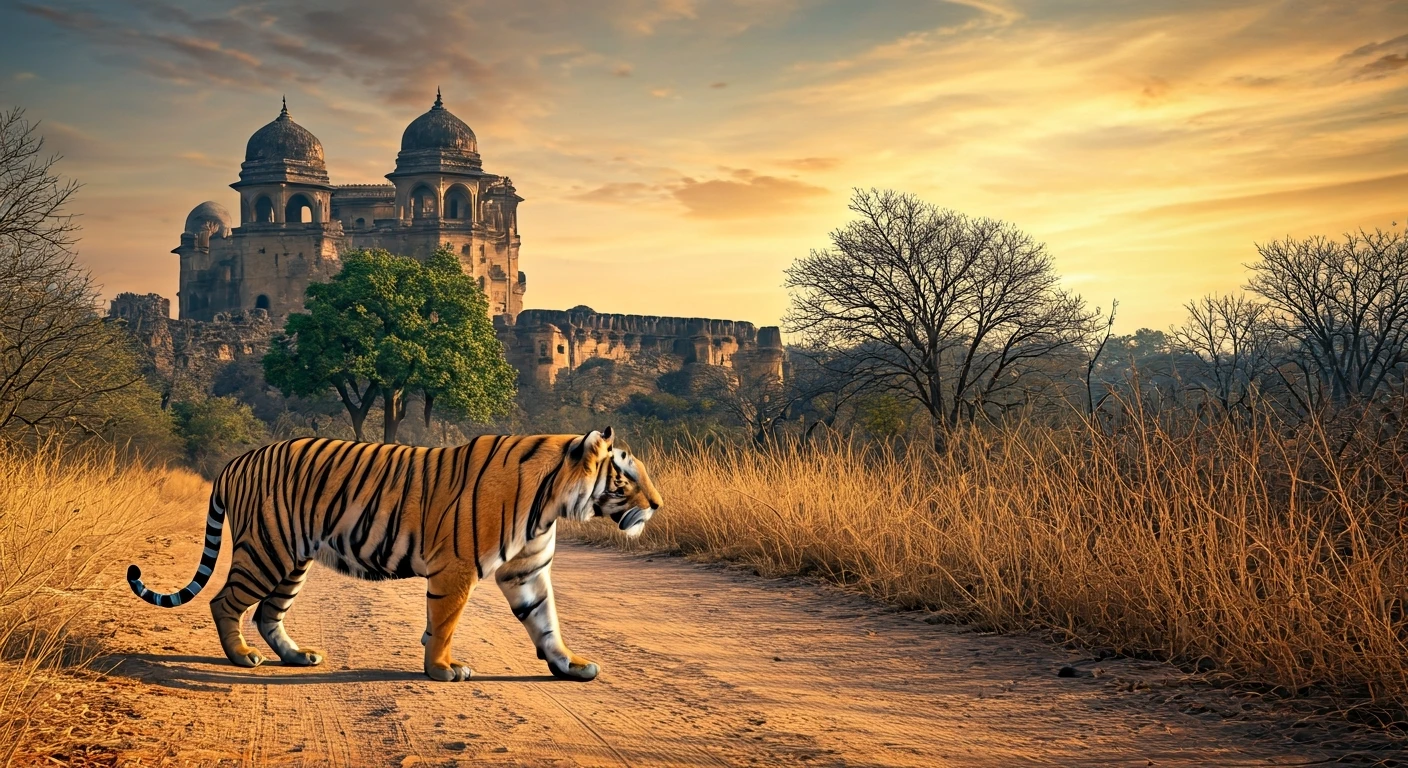
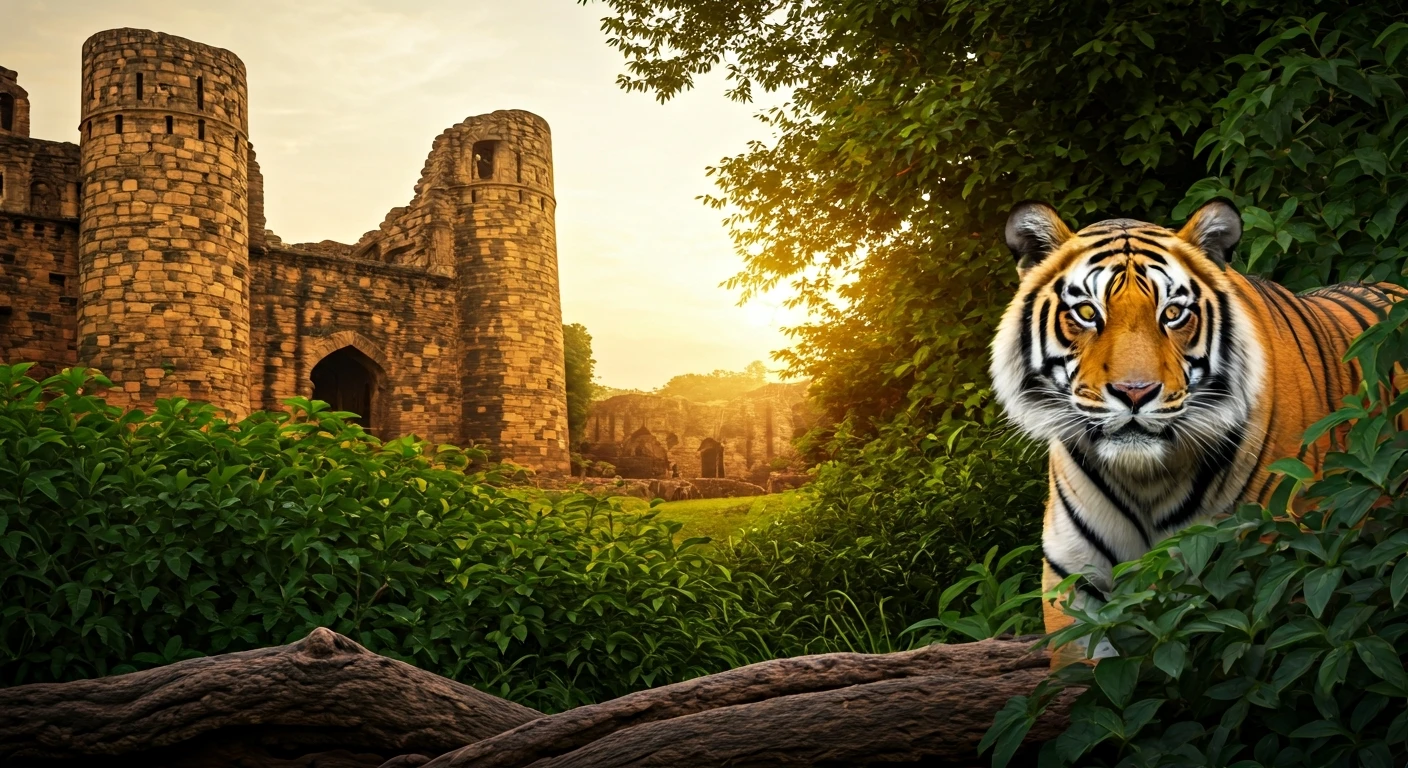
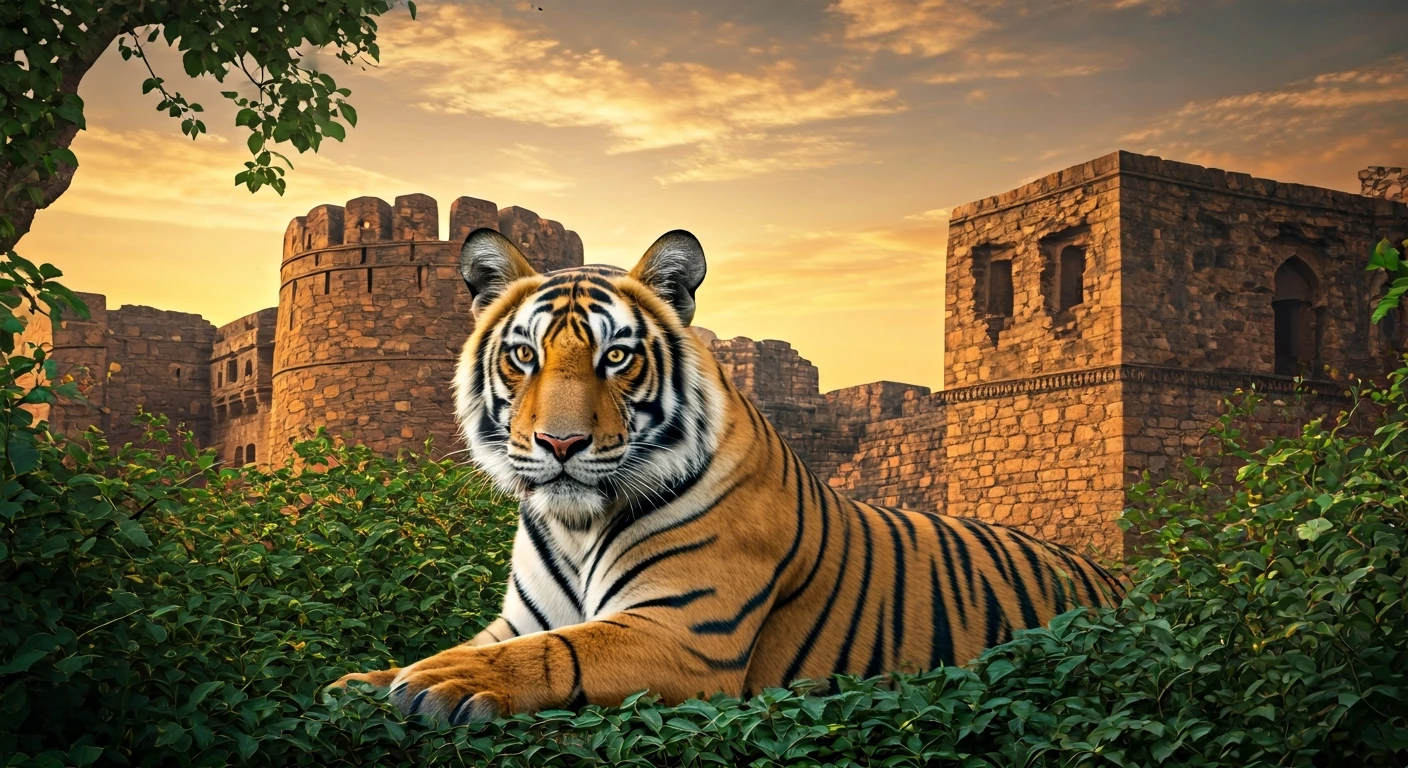
Located in Rajasthan, Ranthambore is arguably the most famous tiger reserve in the world. Its global fame is well-deserved. The park’s landscape is a dramatic mix of arid scrubland, deep ravines, and shimmering lakes, all dominated by the 10th-century Ranthambore Fort, a UNESCO World Heritage site that looms over the entire park. The possibility of photographing a tiger against the backdrop of ancient ruins is a powerful, unique draw. Its accessibility is another major plus; it’s a relatively straightforward drive from the popular tourist hubs of Jaipur and Agra, making it an easy addition to a classic “Golden Triangle” tour. This fame, however, is a double-edged sword. Ranthambore is often crowded, and the safari experience can sometimes feel like a traffic jam of jeeps. While tiger sightings are common, they are almost always shared with a crowd. Think of it as the blockbuster movie of tiger parks: spectacular, popular, and a must-see, but you’ll be watching it with everyone else.
The Wilder Kingdom: Tadoba Andhari Tiger Reserve
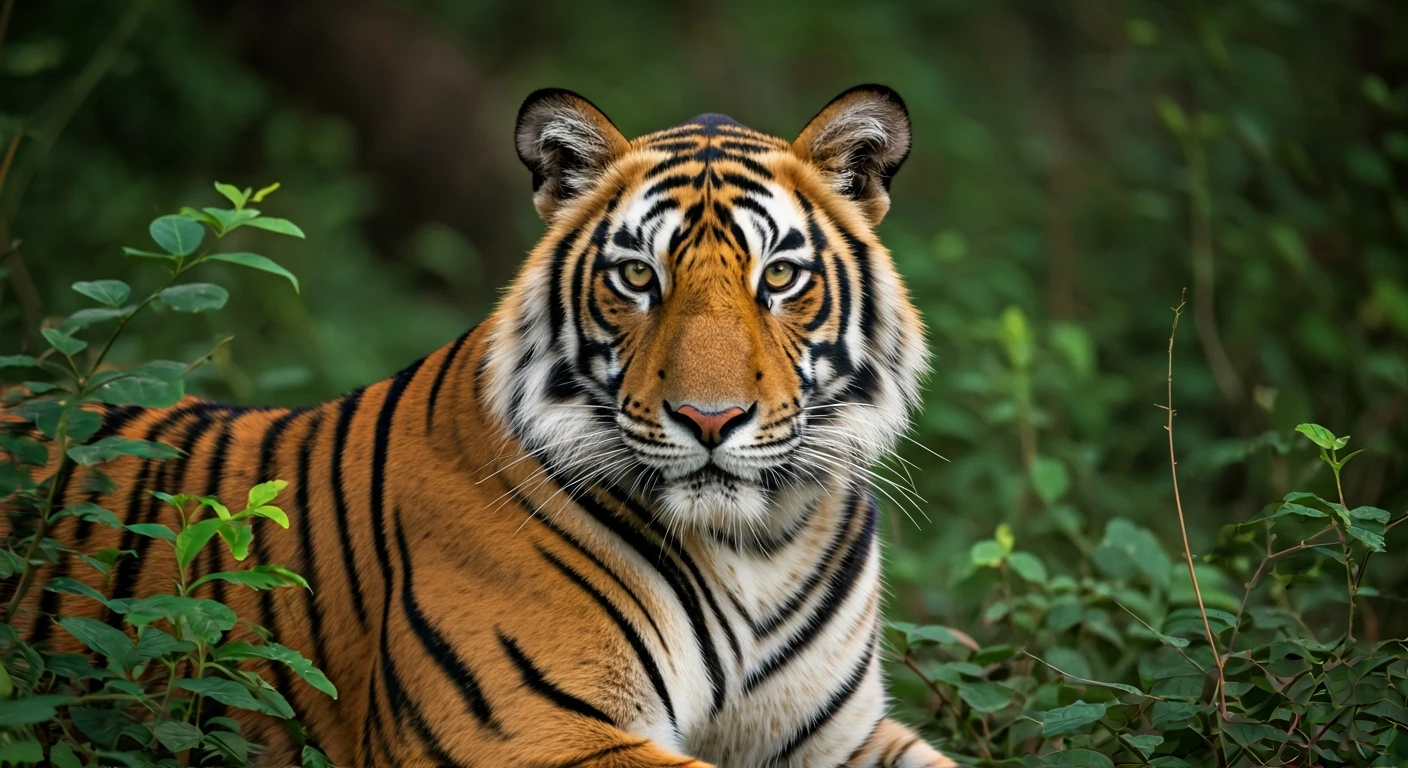
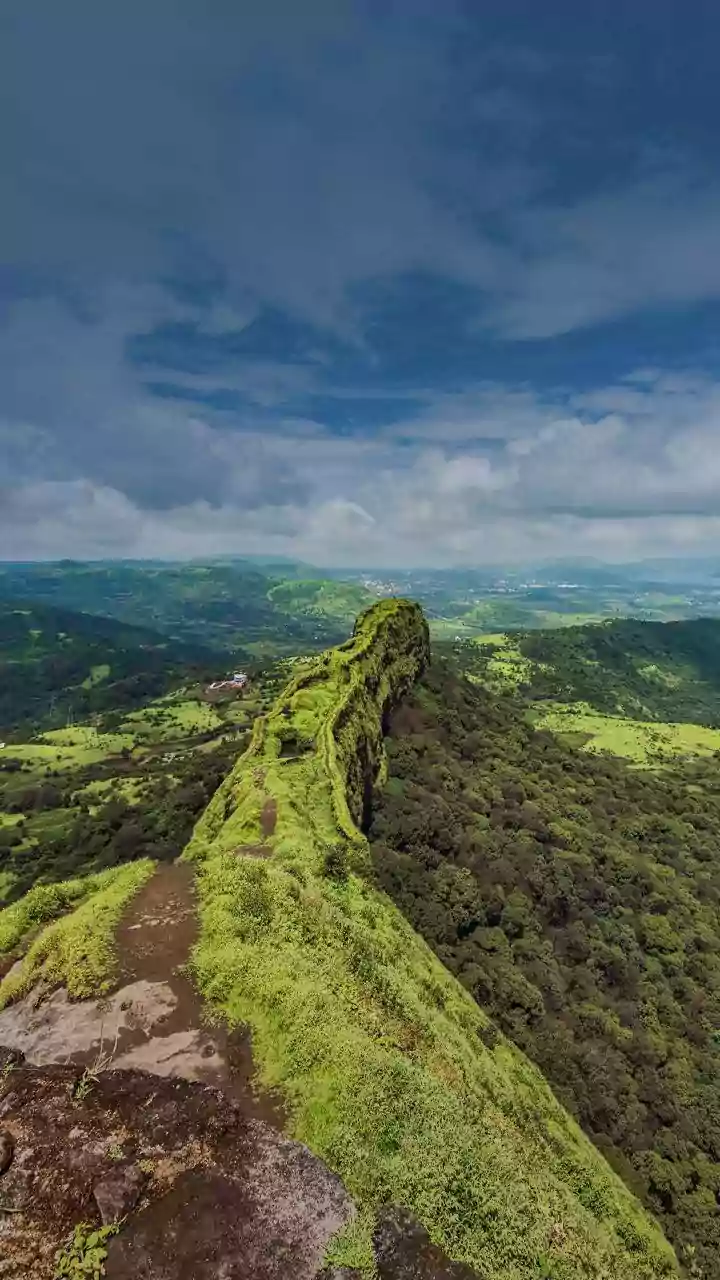
Further south in the state of Maharashtra, Tadoba Andhari offers a wilder, more immersive jungle experience. Less known to the average tourist but revered by wildlife purists, Tadoba boasts one of the highest tiger densities in India. The landscape is a lush tapestry of teak forests, bamboo thickets, and sprawling meadows. While it lacks Ranthambore’s iconic forts, it compensates with a raw, untamed atmosphere. The focus here is purely on the wildlife. Getting to Tadoba requires more effort—typically a flight to the city of Nagpur followed by a 3-4 hour drive. This extra leg of the journey has historically kept the casual tourist at bay, resulting in a more serene and focused safari experience. However, its reputation for frequent and high-quality sightings is growing exponentially. The secret is out, and Tadoba is rapidly becoming as competitive to book as Ranthambore. It’s the indie darling that’s about to hit the mainstream.
Head-to-Head: Choosing Your Adventure
Your choice between these two titans depends on your travel priorities. If you value historical context, stunning scenery, and logistical convenience as part of a broader tour of India, Ranthambore is an excellent choice. You accept the crowds as part of the price of admission for its iconic setting. If your singular goal is to maximize your chances of seeing tigers in a more natural, less-crowded environment and you’re willing to travel further to get it, Tadoba is likely the better fit. Its rugged charm and incredible wildlife density offer a powerful payoff for the dedicated enthusiast. In terms of cost, both are premium destinations, with lodging and safari prices reflecting their status. The key difference isn't budget, but the type of experience you're signing up for: the historic spectacle or the wild immersion.
Your Booking Playbook: How to Secure a Spot
Ready to join the race? Here’s your game plan. First, decide on your park and travel dates at least six months in advance. The safari permit booking window typically opens 90 or 120 days prior. You must have exact passport details for every person in your party to book; names are non-transferable. You have two main options: book everything yourself, or use a reputable wildlife travel agent or safari lodge. Going DIY can save some money but requires you to be online the second permits are released, navigating a sometimes-clunky government website. Using a specialized agent or a lodge that handles permits is the less stressful, more reliable route. They have the experience and systems in place to secure permits the moment they drop. It’s a service well worth the cost to avoid the heartbreak of a sold-out safari. Start your research, pick your park, and get ready to book. The tiger won't wait.