



What 'Mindful Drinking' Actually Means Here
This isn’t your parents’ prohibitionist mindset. For urban Indian millennials and Gen Z, “mindful drinking” isn't necessarily about complete sobriety. Instead, it’s a conscious, intentional approach to alcohol that mirrors the “sober curious” and “damp
lifestyle” movements popular in the U.S. and Europe. It’s about asking *why* you're having a drink, not just automatically reaching for one. For some, it means choosing a complex, beautifully crafted cocktail and savoring it for an hour. For others, it means switching to lower-alcohol options or embracing the growing world of sophisticated non-alcoholic beverages after one drink. The goal isn't deprivation; it's control, wellness, and avoiding the dreaded next-day hangover that interferes with a packed schedule of work, workouts, and side hustles. It’s a deliberate pivot from a culture that often equated heavy drinking with celebration and social status.
The Cultural Drivers Behind the Shift
So, why now? The trend is fueled by a perfect storm of global and local factors. First and foremost is the influence of global wellness culture, delivered directly to their phones via Instagram and TikTok. Young, globally-connected Indians are just as likely to follow a fitness influencer from Los Angeles as one from Mumbai. This has put physical and mental health front and center, reframing hangovers from a badge of honor to a self-imposed setback. There’s also a pragmatic desire for productivity. In India's hyper-competitive urban job markets, showing up sharp and clear-headed is a non-negotiable asset. This generation is less willing to sacrifice a productive morning for a fuzzy night. Finally, it’s a form of social evolution. They’ve watched older generations engage in what they see as unthinking, habitual drinking and are consciously choosing a different path—one that values experience and flavor over sheer volume and intoxication.
Beyond Whiskey and Kingfisher
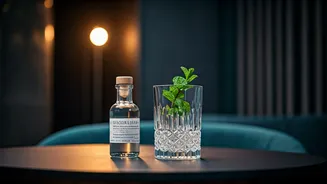
For decades, the Indian drinking landscape was dominated by a few key players: whiskey, rum, and ubiquitous lagers like Kingfisher. Social drinking often meant pouring another glass of the same spirit all night. The mindful drinking movement is radically changing that menu. The gin-and-tonic, once a relic of the British Raj, has exploded in popularity, celebrated for its botanical complexity and refreshing taste. This has paved the way for a vibrant craft gin scene, with dozens of artisanal Indian brands hitting the market. Cocktail bars in cities like Delhi, Mumbai, and Bengaluru are no longer just serving the classics; they’re innovating with local ingredients, house-made tinctures, and, crucially, impressive low-ABV and zero-proof menus. The focus has shifted from potency to palate. Patrons are more interested in the story behind the spirit and the artistry of the drink than its alcohol percentage.
A Market Rises to the Occasion
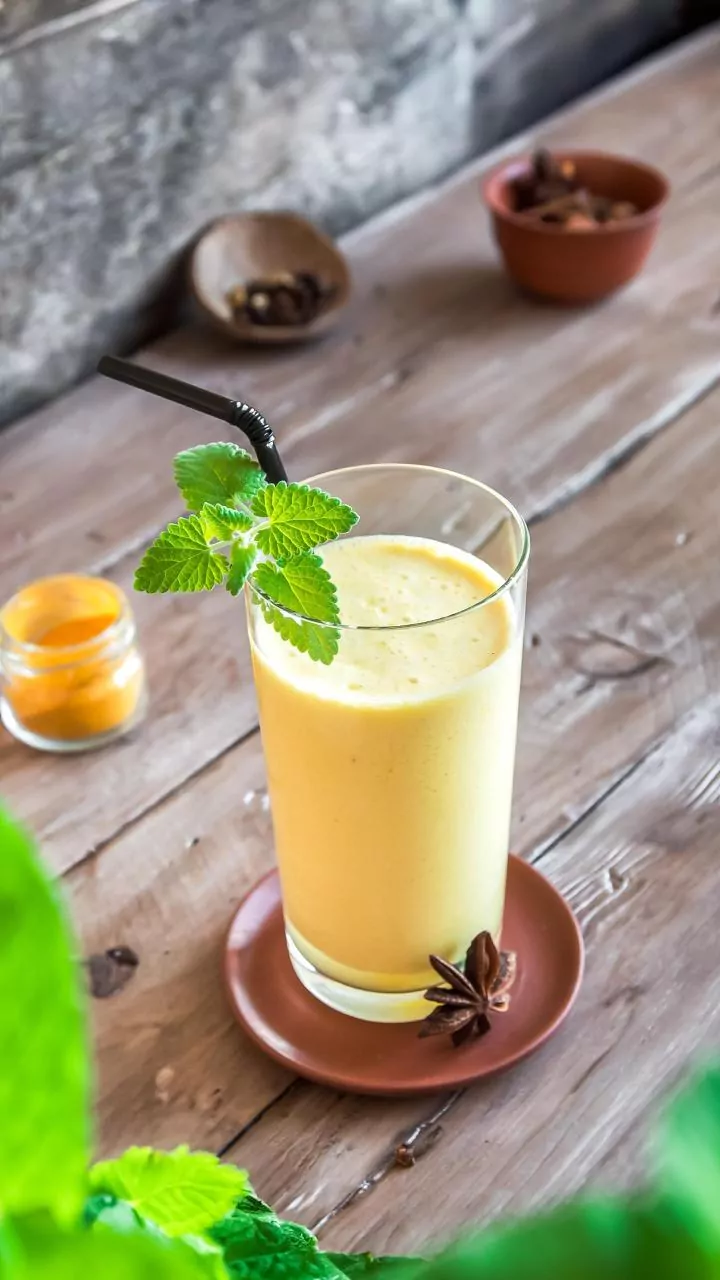
Where culture leads, commerce follows. An entire industry is emerging to cater to these mindful consumers. Indian startups are launching high-quality non-alcoholic spirits, beers, and aperitifs that mimic the taste and ritual of their boozy counterparts. Brands like Svami, Sober & Co., and Coolberg have become staples, offering everything from non-alcoholic gin-and-tonics to sparkling rosé. They’re not just marketing these as sad substitutes for people who *can’t* drink; they’re positioned as aspirational lifestyle products for people who are choosing *not* to, at least for that round. This boom in alternatives gives people a socially acceptable and enjoyable way to participate in drinking occasions without consuming alcohol, completely removing the old pressure to “just have one more.” It legitimizes the choice to moderate, making it feel less like a sacrifice and more like a sophisticated preference.