

The Festival at the Top of the World
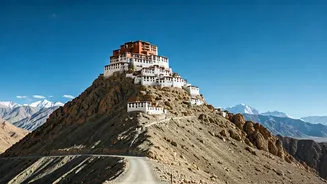
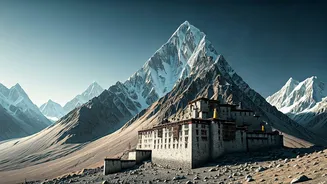
So, what exactly is Hemis? Held annually at the Hemis Monastery, a 17th-century Tibetan Buddhist institution tucked into a gorge near Leh, Ladakh, the festival is a two-day spectacle celebrating the birth of Guru Padmasambhava, the spiritual figure credited
with bringing Buddhism to Tibet. For centuries, this has been a deeply sacred event for locals. But for a new wave of international travelers, it represents a rare opportunity to witness living history. The festival’s date is determined by the Tibetan lunar calendar, typically falling in June or July, when the high-altitude passes into Ladakh are finally clear of snow, adding to the sense of a pilgrimage to a world apart.
A Landscape That Demands Respect
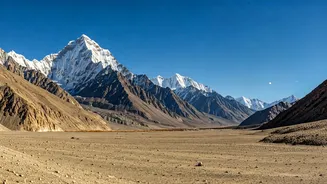
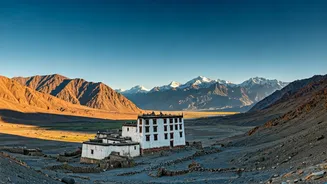
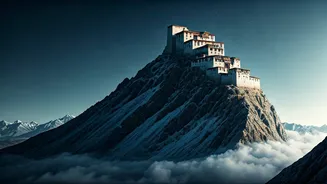
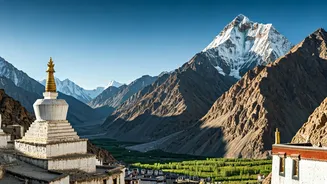
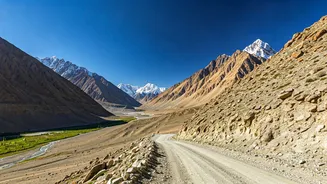
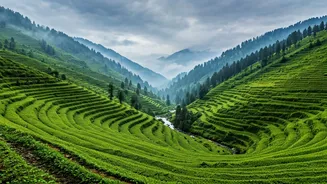
Getting to Hemis is half the adventure, and that’s a huge part of its appeal. Ladakh, often called “Little Tibet,” is a high-altitude desert of staggering beauty. Flying into its capital, Leh, at over 11,500 feet, requires days of acclimatization. Your body literally has to learn to function with less oxygen. This isn't a casual beach trip; it's a physical challenge. For a generation raised on the ethos of earning their experiences, the journey itself—navigating the thin air, the winding mountain roads, and the stark, lunar landscapes—is a rite of passage. The reward is a profound sense of accomplishment and views of jagged, snow-dusted peaks that make you feel like you’ve reached the very edge of the world.
The Sacred Dance of Gods and Demons
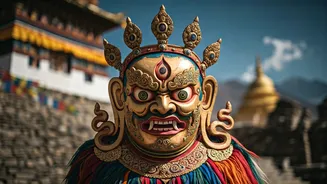
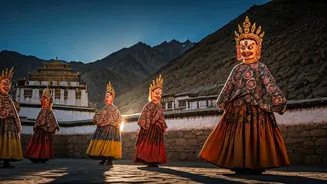
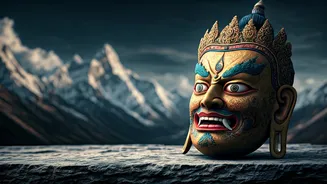
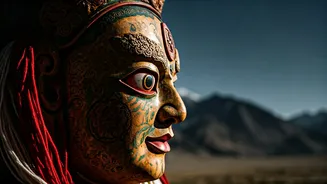
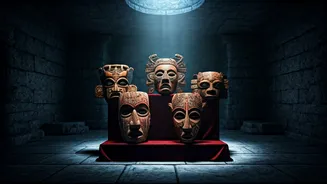
The centerpiece of the Hemis festival is the *Cham* dance. This isn't a performance for entertainment; it's a sacred ritual. Monks don elaborate, often fearsome masks representing deities and demons, along with magnificent silk costumes, and perform choreographed dances in the monastery's main courtyard. Accompanied by the deep, resonant drone of long horns, clashing cymbals, and rhythmic drums, the dances tell the story of the triumph of good over evil. The sight is hypnotic and overwhelming: a riot of color, sound, and spiritual energy. Watching these ancient myths come to life against the backdrop of the stone monastery and the Himalayan sky is an experience that digital screens simply cannot replicate.
The Search for Something Real
Why now? In an age of curated Instagram feeds and manufactured experiences, Hemis offers something increasingly rare: authenticity. It’s not put on for tourists. While visitors are welcome, the festival’s primary purpose remains deeply spiritual and local. This resonates with younger travelers who are actively rejecting mass tourism in favor of more meaningful connections. They aren't just there to take photos; they are there to witness, to learn, and to feel a part of something ancient and profound. The atmosphere is one of shared reverence, not commercial hype. You won't find branded merchandise stalls, but you might share a cup of butter tea with a Ladakhi family.
A Gateway to Further Adventure
The festival is often the anchor for a much larger trip. Ladakh is a paradise for trekkers, climbers, and explorers. After the festival, many travelers use Leh as a base to embark on multi-day treks through the Markha Valley, drive over the world's highest motorable passes, or explore remote monasteries clinging to cliffsides. The Hemis festival acts as a cultural starting gun for a summer of adventure in a region that remains one of the most rugged and unspoiled on the planet. The trip becomes a holistic journey—part spiritual quest, part physical endurance test, and part cultural education—that provides the kind of transformative experience many modern adventurers are actively seeking.