






The Blueprint from Urban India
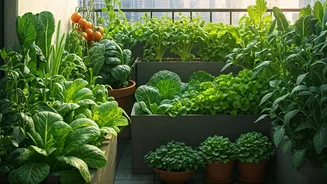
In the bustling, high-density cities of Chennai and Pune, balcony space is precious. These urban centers, packed with apartments and high-rises, are home to millions who blend modern life with deep culinary traditions. This is where the genius of the 'herb
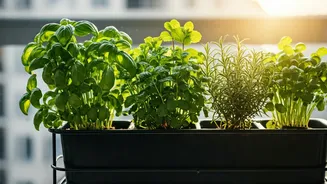
corner' comes in. It’s not just a quaint hobby; it’s a pragmatic solution born from necessity and culture. In a climate where fresh ingredients are paramount, having a small, accessible garden is a game-changer. The cuisine of regions like Tamil Nadu and Maharashtra relies heavily on the punch of fresh herbs—coriander (cilantro), mint, and the indispensable curry leaf. A handful of fresh herbs can transform a simple dish, and relying on store-bought bunches that wilt in a day is inefficient. So, residents have turned to their balconies, creating miniature, vertical farms in a few square feet. They’ve perfected the art of growing what they need most, proving that you don’t need a yard to have a harvest.
Why Every Urban Balcony Benefits
The wisdom of Chennai and Pune translates perfectly to American cities. A balcony herb garden is a small investment with an outsized return on flavor, wellness, and sustainability. First, the taste. The difference between a fresh-cut sprig of basil and the dried dust in a jar is night and day. It’s an instant upgrade for pasta, salads, and cocktails. Secondly, it's a form of micro-wellness. The simple ritual of watering, snipping, and tending to a few small plants offers a tangible connection to nature in a concrete environment. It’s a quiet, five-minute escape that can lower stress and provide a sense of accomplishment. Finally, it's a smart, sustainable choice. You save money by not having to buy expensive, plastic-clad packets of herbs from the supermarket, much of which often goes to waste. You reduce your carbon footprint by eliminating food miles and packaging, making your kitchen just a little bit greener.
Your Five-Herb Starter Kit
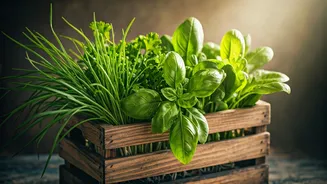
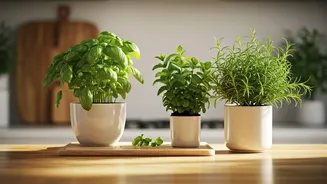
Starting can feel daunting, but you only need a few versatile, resilient herbs to get going. This 'starter pack' covers most of your culinary bases and is famously hard to kill. 1. Mint: Almost too easy to grow (keep it in its own pot or it will take over!), mint is perfect for teas, mojitos, and fruit salads. A single plant can supply you all summer long. 2. Basil: The quintessential summer herb. A sunny spot will reward you with fragrant leaves perfect for pesto, caprese salads, and finishing pasta dishes. Pinch the tops regularly to encourage bushier growth. 3. Cilantro: Known for its fleeting presence in the fridge, growing your own means a constant supply for salsa, guacamole, and curries. It prefers cooler weather, so plant it in spring and fall. 4. Rosemary: This woody, Mediterranean herb loves sun and hates being overwatered. It’s perfect for roasting chicken, potatoes, or adding an aromatic touch to grilled meats. It's a hardy perennial that can last for years. 5. Chives: The most forgiving of the onion family. Their mild flavor is a perfect garnish for eggs, baked potatoes, and soups. Simply snip what you need, and they’ll grow right back.
The Dirt on Getting Started
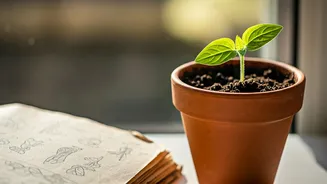
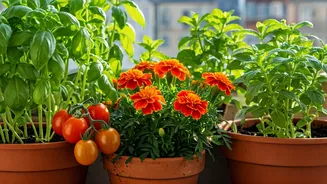
You don't need a green thumb, just a few basics. First, containers. Anything with drainage holes will work—terracotta pots, railing planters, or even a repurposed bucket. Good drainage is non-negotiable, as roots sitting in water is the number one killer of potted plants. Next, find your sun. Most herbs need at least six hours of direct sunlight a day. Observe your balcony to see which corner gets the most light and designate it as your garden spot. Don't stress if you have less sun; herbs like mint and parsley can tolerate partial shade. For soil, keep it simple. A bag of all-purpose potting mix from any hardware store or nursery is perfect. It has the right blend of nutrients and drainage for container gardening. Finally, watering. The best method is the 'finger test.' Stick your finger an inch into the soil. If it’s dry, it’s time to water. If it’s damp, wait another day. It’s better to water deeply and less frequently than to give a little sprinkle every day.