






From Party Tricks to Practical Tools
Remember the first wave of smart home gadgets? They were impressive, sure, but often felt like solutions in search of a problem. Think voice-activated speakers that could tell you a joke, or color-changing lightbulbs that turned your living room into
a disco. These devices were fun conversation starters, establishing the smart home as a category for tech enthusiasts and early adopters with disposable income. The primary function was often the novelty itself. The setup could be complex, requiring different apps for different devices that refused to speak to one another. For the average person, the cost and hassle just didn't add up to a clear benefit. It was the era of the 'fancy' smart home—something cool to have, but not something you truly needed.
The New Drivers: Savings, Security, and Sanity
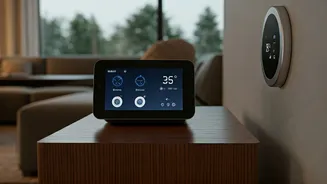
So, what changed? A few powerful, real-world pressures converged to push the smart home toward functionality. First, rising energy costs have made consumers acutely aware of their utility bills. A smart thermostat like a Nest or Ecobee, which learns your routine and optimizes heating and cooling, is no longer a luxury; it’s a tool that can pay for itself by saving 10-15% on energy costs. Second, home security has become more accessible than ever. Video doorbells from companies like Ring and Google don’t just show you who's at the door; they provide a sense of security and a way to manage package deliveries, deterring theft. Finally, there's the growing need to support an aging population. Smart sensors that detect falls, medication reminders, and smart locks that allow family members or caregivers remote access can be life-changing tools, enabling seniors to live independently for longer. These aren’t party tricks; they solve tangible, everyday problems.
The Secret Sauce: Making Everything Work Together
Perhaps the biggest catalyst for the functional smart home is the quiet but revolutionary arrival of a new industry standard called Matter. For years, the smart home was a digital Tower of Babel. Your Amazon Alexa speaker might not work with your Apple HomeKit lock, which in turn wouldn't talk to your Google-powered thermostat. This forced consumers to pledge allegiance to a single ecosystem, limiting their choices and creating endless frustration. Matter, which is backed by all the major players including Amazon, Apple, Google, and Samsung, acts as a universal translator. A device that is Matter-certified is designed to work with any Matter-compatible system. This simple promise removes the biggest technical headache for consumers. It means you can buy the best device for the job—whether it's a light switch, a sensor, or a smart plug—with confidence that it will integrate smoothly into your existing setup. This interoperability is the backbone of a truly functional, frustration-free smart home.
What a Functional Smart Home Looks Like
Forget the image of a sterile, futuristic house from a movie. The modern functional smart home is invisible, working quietly in the background. It’s a smart water leak detector under your sink that texts you the moment it senses moisture, preventing a catastrophic flood and an expensive insurance claim. It’s a system of smart plugs that automatically turns off 'energy vampire' devices when you're not using them, chipping away at your electric bill. It’s automated blinds that close during the hottest part of a summer day to keep your home cool, or outdoor lights that turn on when you pull into the driveway. The goal isn't to show off. The goal is a home that anticipates your needs, protects your assets, and saves you money and mental energy without you even having to think about it.