




The Undefeated Accessibility Champion
Think about the barriers to every other fitness trend. The boutique HIIT class requires a booking, a commute, and a $40 fee. The Peloton in your basement demands a four-figure investment and a subscription. Even running suggests proper shoes and a certain
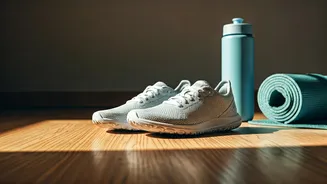
level of cardiovascular fitness. Walking asks for almost nothing. It can be done anywhere, from a city sidewalk to a suburban park or a treadmill. You don't need specialized gear beyond a comfortable pair of shoes. It's a form of movement that fits into your life, not the other way around. You can walk on your lunch break, while on a phone call, or with your kids. In the battle for accessibility, no other trend even comes close.
Winning on Price: It’s Free
The wellness industry has become a multi-billion dollar machine built on the idea that health is something you buy. We pay for gym memberships we don't use, subscribe to apps we forget, and buy expensive powders and pre-workout drinks. Walking gracefully sidesteps this entire ecosystem. It costs nothing. This isn't just a minor benefit; it's a revolutionary act in an era of relentless consumerism. The lack of a price tag democratizes health. It means your physical and mental well-being aren't dependent on your disposable income. While other trends create financial stress, walking relieves it. It’s a return to the fundamental truth that movement is a human birthright, not a luxury good.
The Secret to Sustainability and Consistency
Here’s where most fitness trends fail. They are often too intense, too time-consuming, or too punishing to become a lifelong habit. We go hard for three weeks in January, get injured or burned out, and spend the rest of the year recovering. Walking, by contrast, is the king of consistency. Because it’s low-impact, the risk of injury is minimal. Because it’s moderate, you can do it every day without feeling drained. This is the key to long-term results. Health isn’t built in a handful of brutal, heroic workouts; it’s forged in the small, consistent actions you take daily. Walking is a habit you can start today and realistically maintain for the next 40 years. That’s a claim no high-intensity, flavor-of-the-month workout can make.
More Than Physical: The Mental Health Miracle
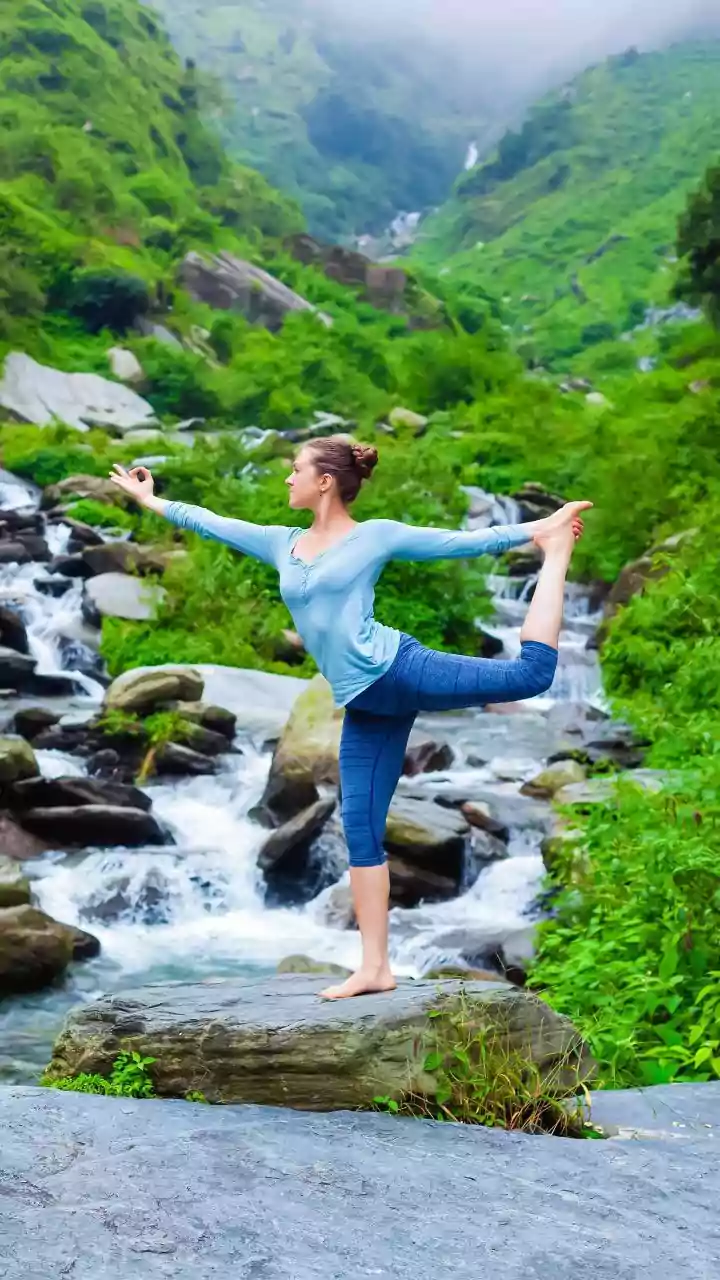
Many modern workouts are about pushing your body to its absolute limit, often in a high-stress, competitive environment. While that can be a release for some, it doesn’t always serve our minds. Walking is different. It’s meditative. The rhythmic, bilateral movement has been shown to calm the nervous system, reduce anxiety, and combat symptoms of depression. A walk outside exposes you to natural light, which regulates sleep cycles, and fresh air. It provides a gentle space for your mind to wander, solve problems, or simply unplug. While a spin class might leave you drenched in sweat and buzzing with adrenaline, a 30-minute walk can leave you feeling clearer, calmer, and more creative. In a world suffering from a crisis of burnout and anxiety, this gentle benefit might be walking's most important victory.
Real-World Results Without the Hype
Don't let its simplicity fool you into thinking the results are minor. The science is clear and robust: regular walking is a powerhouse for physical health. It strengthens your heart, lowers blood pressure, and reduces the risk of numerous chronic diseases, including type 2 diabetes and certain cancers. It helps with weight management, improves digestion, and boosts your immune system. You don't need to be sprinting or lifting massive weights to achieve profound health benefits. Brisk walking provides the majority of the longevity and wellness perks that experts recommend, all without the punishing physical toll. It proves that the most effective path to health isn't necessarily the hardest one.