



The Probiotic Foundation We Know
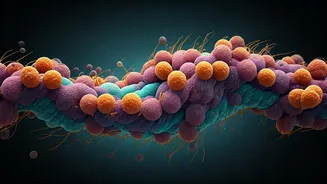
Let’s start with a quick refresher. Probiotics are the live microorganisms—primarily bacteria and some yeasts—that offer health benefits when consumed. Think of them as reinforcements for the trillions of microbes already living in your gut, collectively
known as your microbiome. The central idea was straightforward: a stressful lifestyle, a course of antibiotics, or a poor diet could deplete your friendly gut flora, and probiotics were the cavalry arriving to restore order. This led to a massive market boom, with probiotic-fortified everything lining grocery store shelves. While the science supporting specific strains for specific conditions is still developing, the general concept of supporting gut bacteria took firm hold in the American wellness consciousness. But scientists and nutrition experts quickly realized that just dropping off new recruits wasn't the whole story.
Prebiotics: Fuel for the Good Guys
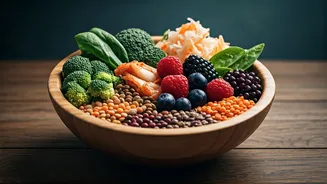
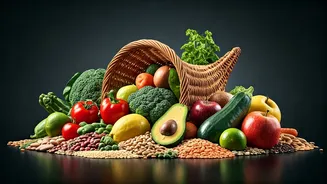
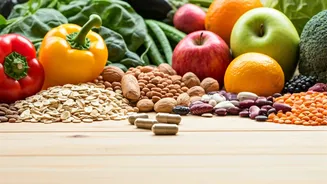
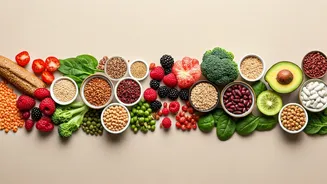
If probiotics are the seeds you plant in your garden, prebiotics are the fertilizer and water that help them grow. Prebiotics are specialized plant fibers that your body can't digest. Instead, they travel to your lower digestive tract and become food for your resident beneficial bacteria. When these microbes feast on prebiotics, they thrive, multiply, and can better perform their helpful functions. This marked a significant shift in thinking: instead of just adding more bacteria, we should focus on feeding the good ones we already have. This is a more sustainable, holistic approach. You’re not just taking a pill; you’re cultivating your internal ecosystem. Luckily, prebiotics are abundant in many delicious, everyday foods. Think garlic, onions, leeks, asparagus, bananas (especially when slightly green), and whole grains like oats and barley. A diet rich in these high-fiber foods is a powerful way to support your microbiome without ever opening a supplement bottle.
Postbiotics: The Beneficial 'Exhaust'
This is where the science gets really interesting—and where the future of gut health is heading. If probiotics are the workers and prebiotics are their lunch, postbiotics are the valuable goods they produce. When probiotic bacteria consume prebiotic fiber, they release beneficial compounds as a byproduct of their metabolic activity. These compounds include short-chain fatty acids (like butyrate), enzymes, vitamins, and amino acids. These aren't just waste products; they are bioactive compounds that play a crucial role in our health. They can help strengthen the gut lining, reduce inflammation, support the immune system, and even communicate with our brain. The discovery of postbiotics helps explain *how* a healthy microbiome exerts its positive effects. It’s not just the presence of the bacteria, but the work they do. The wellness industry has already taken note, and you can now find supplements that deliver these beneficial compounds directly, bypassing the need for the bacteria to produce them inside you. For people whose systems may not efficiently produce these compounds, postbiotic supplements represent a promising new frontier.
The Ecosystem Approach to Gut Wellness
So, where does this leave us? We’ve moved from a simple one-step process (add probiotics) to understanding a complex, three-part cycle: Prebiotics feed Probiotics to create Postbiotics. This holistic view is changing how we approach gut wellness. The term 'synbiotics' is now used for products that combine probiotics and prebiotics in one package, aiming to provide both the seeds and the fertilizer simultaneously. But the biggest takeaway is that our daily habits, particularly our diet, are the most powerful tool we have. The goal is no longer just to pop a probiotic pill and hope for the best. It’s about creating a diverse and resilient internal ecosystem. This means prioritizing a diet full of varied, fiber-rich plants to serve as prebiotic fuel, while also incorporating fermented foods (like yogurt, kefir, and kimchi) that can provide a source of live cultures. The focus is shifting from a single-ingredient solution to a whole-system strategy.