





The Empty Promise of the Amenity Checklist
Somewhere along the way, booking a vacation rental became an exercise in digital window shopping for features we rarely use. We hunt for the promise of a professionally cleaned, perfectly sterile environment that mimics a high-end hotel, only with a full
kitchen we plan to use for little more than chilling a bottle of wine. We’ve become obsessed with the *idea* of luxury: the infinity pool we’ll dip our toes in once, the cinema room we’ll never enter, the espresso machine with pods we can’t quite figure out. We arrive, check our mental list, and feel a brief, hollow satisfaction. But this is the luxury of a catalog, not the luxury of travel. It’s a sanitized, interchangeable experience that could exist in Scottsdale, the Cotswolds, or Bali. The house may be different, but the feeling is the same—disconnected and strangely generic.
The Ghost Hotel and the Soulless Stay
This obsession with amenities has fueled the rise of the “ghost hotel.” These are the thousands of Airbnbs and VRBOs owned not by a friendly local eager to share their city, but by a remote investment company with a portfolio of identical properties. There’s no soul, no personality, no one to tell you where to get the best breakfast taco or which bar the locals actually frequent. The key is in a lockbox, the manual is a laminated sheet on the counter, and the only human interaction you’ll have is with a chatbot. These stays deliver on the checklist—the Wi-Fi is fast, the towels are white—but they strip travel of its most vital ingredient: connection. You’re not staying in a home; you’re occupying a real estate asset. It’s clean, it’s efficient, and it’s profoundly lonely.
Food Is the Shortcut to the Heart of a Place
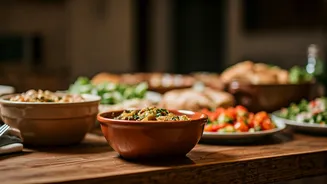
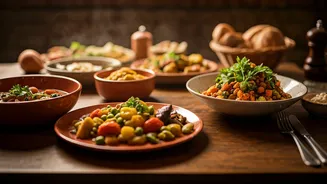
This is where the real luxury reveals itself, and it often starts in the kitchen. A local meal—whether it’s prepared by your host, sourced from their recommendations, or assembled from ingredients they’ve left for you—is the ultimate travel hack. It’s a sensory deep-dive into the culture, history, and soul of a destination. That jar of homemade jam on the counter isn’t just jam; it’s a story about the neighbor’s apricot tree. The list of hole-in-the-wall restaurants, scribbled on a notepad, is an invitation into a secret world away from the tourist traps. A shared meal with a host is more than just food; it’s an exchange of stories and a moment of genuine human connection that no five-star hotel can replicate. This experience is, by its nature, unscalable and unique. It cannot be corporatized. It is the antidote to the ghost hotel.
What This True Luxury Looks Like
Forget the grand gestures. This quiet luxury is found in the details. It's the host who leaves a half-dozen eggs from their own chickens in the fridge. It’s the worn, annotated cookbook of regional specialties left on the kitchen shelf. It’s a welcome basket with a loaf of bread from the town’s best bakery, a wedge of local cheese, and a bottle of wine from a nearby vineyard. Sometimes, it’s not even a meal itself but the access to one. It’s the host who, upon hearing you love to cook, points you to the specific stall at the farmers' market with the sweetest tomatoes or the freshest fish. This isn't just about eating; it’s about being given the keys to the kingdom, even if just for a few days. It's a gesture that says, “Welcome, we’re glad you’re here, and we want you to taste the very best of our home.”