


From Fried Treats to Fuel
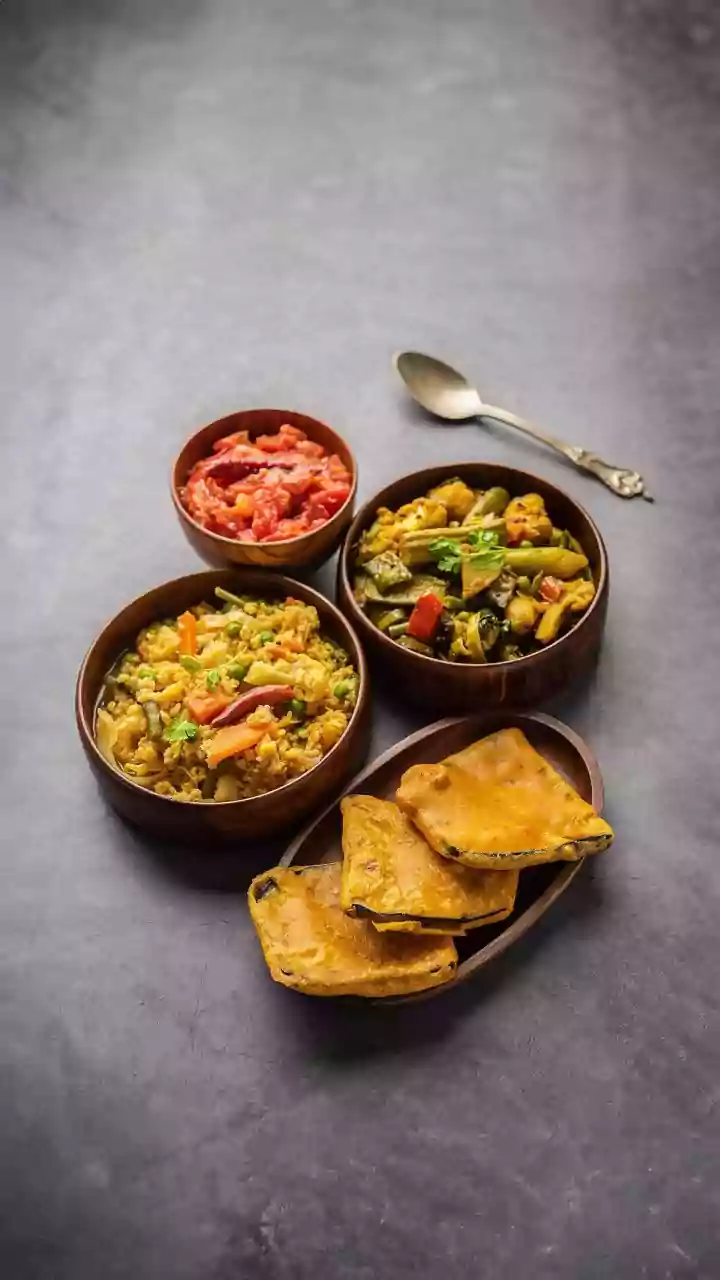
For generations, the rhythm of the Indian workday was punctuated by comforting, communal snacks. A mid-morning break often meant steaming cups of milky, spiced chai accompanied by crispy, fried samosas or buttery biscuits. These weren't just food; they
were a cultural ritual, a moment of social connection in a busy day. But in the fast-paced offices of Mumbai, Bangalore, and Gurgaon, that ritual is being rewritten. Today’s young, globally-minded professionals are swapping deep-fried carbs for roasted chickpeas, seed mixes, and protein bars. The shift isn't just a nutritional upgrade—it's a fundamental change in workplace culture, driven by a generation that views food not as a simple comfort, but as fuel for ambition and performance. This new snacking philosophy prioritizes efficiency and wellness over tradition, mirroring the evolution of India's corporate landscape itself.
The Drivers: Hustle, Health, and Convenience
So, why the sudden change? It’s a perfect storm of cultural and economic factors. First, Indian corporate life now mirrors the high-stakes, long-hour environments of New York or London. With packed schedules and back-to-back meetings, a leisurely snack break is a luxury many can't afford. A protein bar you can eat at your desk is simply more efficient. Second, a massive wellness wave has swept across urban India. Inspired by global fitness trends and armed with information from social media, young professionals are more health-conscious than ever before. They’re hitting the gym, tracking their macros, and demanding healthier options. High-protein snacks fit perfectly into this new lifestyle, promising sustained energy without the sugar crash. Finally, there's the convenience. An explosion of direct-to-consumer (D2C) brands has made it incredibly easy to get these products, with subscription boxes delivering curated snack selections directly to homes and offices. It's health, hustle, and convenience, all wrapped in a single foil package.
What's on the Menu?
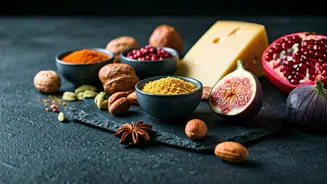
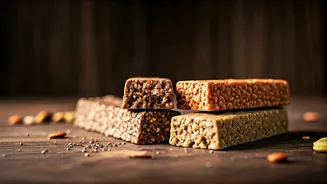
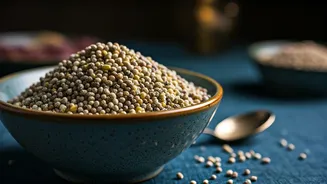
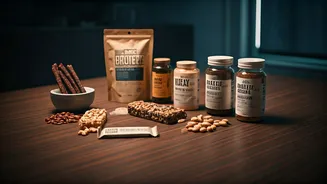
This isn't just about importing American-style protein bars. The Indian market has innovated, giving a modern, healthy twist to traditional ingredients. One of the biggest stars is *makhana*, or roasted fox nuts. Once a humble ingredient used in religious fasting, it’s now been rebranded as a low-calorie, high-protein superfood, available in flavors from peri-peri to sea salt. Similarly, roasted legumes like chickpeas (*chana*) and lentils, once simple home snacks, are now packaged in sleek bags and sold as guilt-free crunch. The protein bar market is also booming, but with a local spin. Instead of just chocolate and peanut butter, you’ll find bars with flavors like mango-ginger, saffron, or cardamom, catering to the Indian palate. Brands like The Whole Truth, Yoga Bar, and RiteBite have become household names among the corporate set, building billion-dollar businesses on the back of this nutritional shift.
A Symbol of Aspiration
Ultimately, the rise of high-protein snacking is about more than just food. It’s a powerful symbol of aspiration for a new generation of Indians. Choosing a protein bar over a samosa is a statement. It signals that you are part of a modern, globalized workforce that values discipline, health, and personal optimization. It reflects an identity that is forward-looking and aligned with international standards of success, while still retaining a unique Indian flavor. In a country undergoing rapid economic and social transformation, what you eat at your desk has become a small but significant marker of who you are and where you’re going. It's a quiet declaration that you're fueling up for the future, one healthy bite at a time.